Dimensions · Space · Buying guides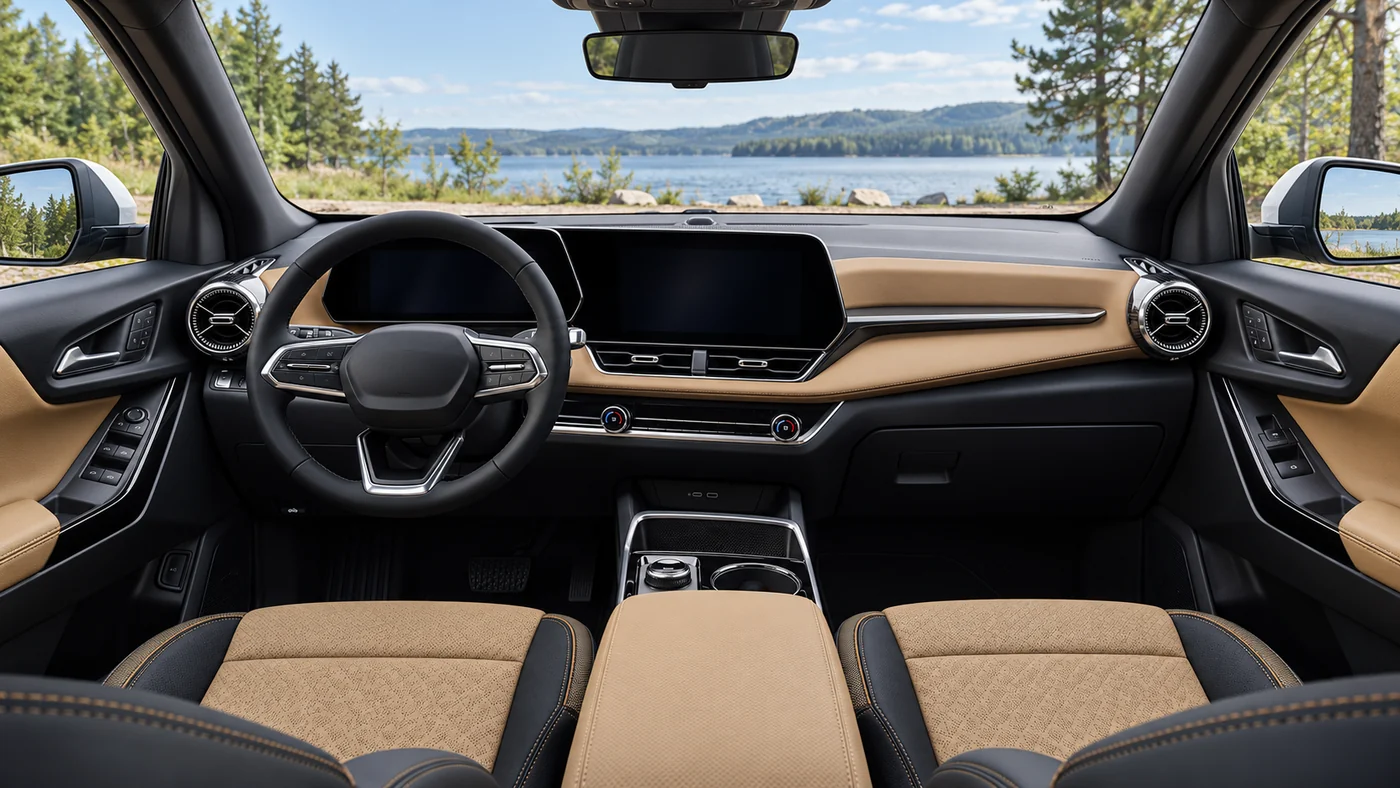
The U.S. 2026 gasoline Chevy Equinox has 40.9 inches of front legroom and 39.9 inches in the rear, according to GM's order guide. Without the optional sunroof, headroom is 40.0 inches front and 39.2 inches rear. With it, those figures fall to 38.2 and 37.8 inches. GM lists the same passenger measurements for LT, ACTIV and RS, covering FWD and AWD.
Shopping used? The 2025 gasoline Equinox order guide lists the same cabin values. Keep these figures separate from the older Equinox and the Equinox EV, though: sharing a name doesn't mean they share a cabin. Check the model year and powertrain before comparing space.
Front and rear cabin dimensions
These are factory specifications, not our own measurements. If the vehicle you want has a sunroof, use that headroom row. Then adjust the seat and sit in it; a photograph of the cabin can't tell you how much room will remain above your head.
| Passenger measurement | Front, inches | Rear, inches | 2026 gasoline configuration |
|---|---|---|---|
| Headroom, without optional sunroof | 40.0 | 39.2 | LT, ACTIV, RS; FWD and AWD |
| Headroom, with optional sunroof | 38.2 | 37.8 | LT, ACTIV, RS; roof-equipped vehicles |
| Legroom | 40.9 | 39.9 | All three listed trim groups |
| Shoulder room | 57.7 | 55.8 | All three listed trim groups |
| Hip room | 54.2 | 51.7 | All three listed trim groups |
Evidence: GM's U.S. vehicle order guide, checked October 6, 2026: select Chevrolet Truck, 2026 Equinox, then Dimensions. The model columns are 1PT26 FWD/AWD LT, 1PR26 FWD/AWD ACTIV and 1PS26 FWD/AWD RS. GM notes that optional equipment or accessories can affect dimensions. The baseline headroom, legroom and shoulder-room values are also shown on PDF page 63 of the official 2026 Fleet Guide.
Legroom is useful for comparing passenger-space specifications, but it is not the distance from a fixed seat cushion to a dashboard panel in your particular driving position. Likewise, shoulder and hip room are not seat widths. A person can dislike a seat's bolsters or feel crowded beside a neighbor even when an aggregate width looks adequate.
2025 versus 2026: checked separately, not copied forward
GM's 2025 All-New Equinox Dimensions section lists the same five passenger-dimension rows shown above, including both roof-qualified headroom rows. We checked that model-year entry separately from the 2026 entry. It supports a specifications comparison for these two U.S. gasoline years; it does not prove every seat material, adjustment mechanism or option package is identical.
| Question | What the checked GM order-guide entries establish |
|---|---|
| Same published front/rear legroom for 2025 and 2026? | Yes: 40.9 / 39.9 inches in both entries |
| Same headroom definitions? | Yes: separate without-sunroof and optional-sunroof rows |
| Same shoulder and hip figures? | Yes, for the listed LT/ACTIV/RS model columns |
| Proof that every actual seat feels identical? | No; the dimensions table is not a comfort test |
| Permission to reuse an older-generation measurement? | No; the redesigned model must stay separate |
Evidence: GM order guide, Chevrolet Truck, 2025 All-New Equinox and 2026 Equinox, Dimensions sections. Both entries were checked October 6, 2026.
There is a source conflict worth knowing about: Chevrolet's January 2024 launch release for the 2025 Equinox reports hip room of 55.2 inches front and 50.8 rear. The checked 2025 and 2026 order-guide tables instead report 54.2 and 51.7. We use the matching-year order-guide figures rather than averaging the discrepancy or describing it as a proven year-to-year body change. The material checked does not explain the reason for the conflict.
The sunroof decision for taller occupants
The published headroom difference is 1.8 inches in front and 1.4 inches in back, calculated by subtracting the optional-sunroof values from the no-sunroof values. That is a specifications difference, not a direct measurement of how close an individual's head will be to the glass or headliner.
Body proportions matter. Two people of equal overall height can have different seated torso height, and they may prefer different seatback angles. Lowering the driver seat can improve roof clearance while changing thigh support, sightlines or pedal reach. Do not judge the resulting posture on head clearance alone.
Compare roof configurations with a similar seat setting and your normal footwear. Sit upright without intentionally ducking or reclining farther than you would on a long drive. Check the rear outboard position too if tall adults will use it; selecting a roof based only on the driver's result can overlook the back row's smaller headroom value.
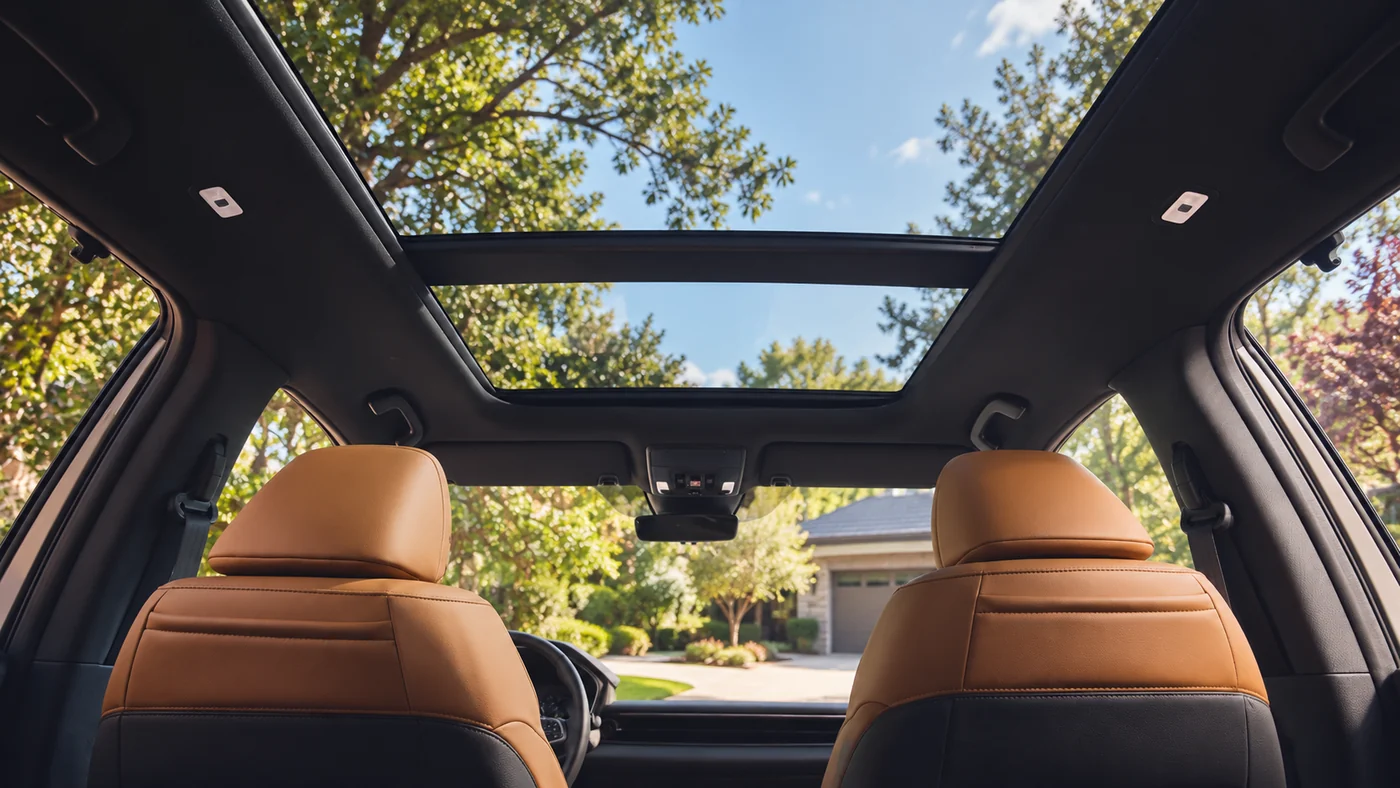
GM's 2026 Equinox feature sheet lists an available dual-glass panoramic sunroof and cautions that options vary by trim. Check the specific vehicle's window label rather than assuming every example of a trim has that roof fitted.
LT, RS and ACTIV: equal table values, different things to try
The order guide does not assign ACTIV extra legroom or RS a larger rear bench. Choosing a trim changes the equipment and cabin presentation you should evaluate, not the passenger figures in this table. FWD and AWD are grouped together in each listed model column, so there is also no published AWD cabin penalty here.
Chevrolet's 2026 model page describes ACTIV's Evotex and sueded microfiber seating surfaces, while RS has a flat-bottom steering wheel. Those are examples of details that can change your experience without changing the dimensions table. Compare how the cushion supports your thighs, whether a bolster presses against your hip, and how naturally your hands reach the wheel.
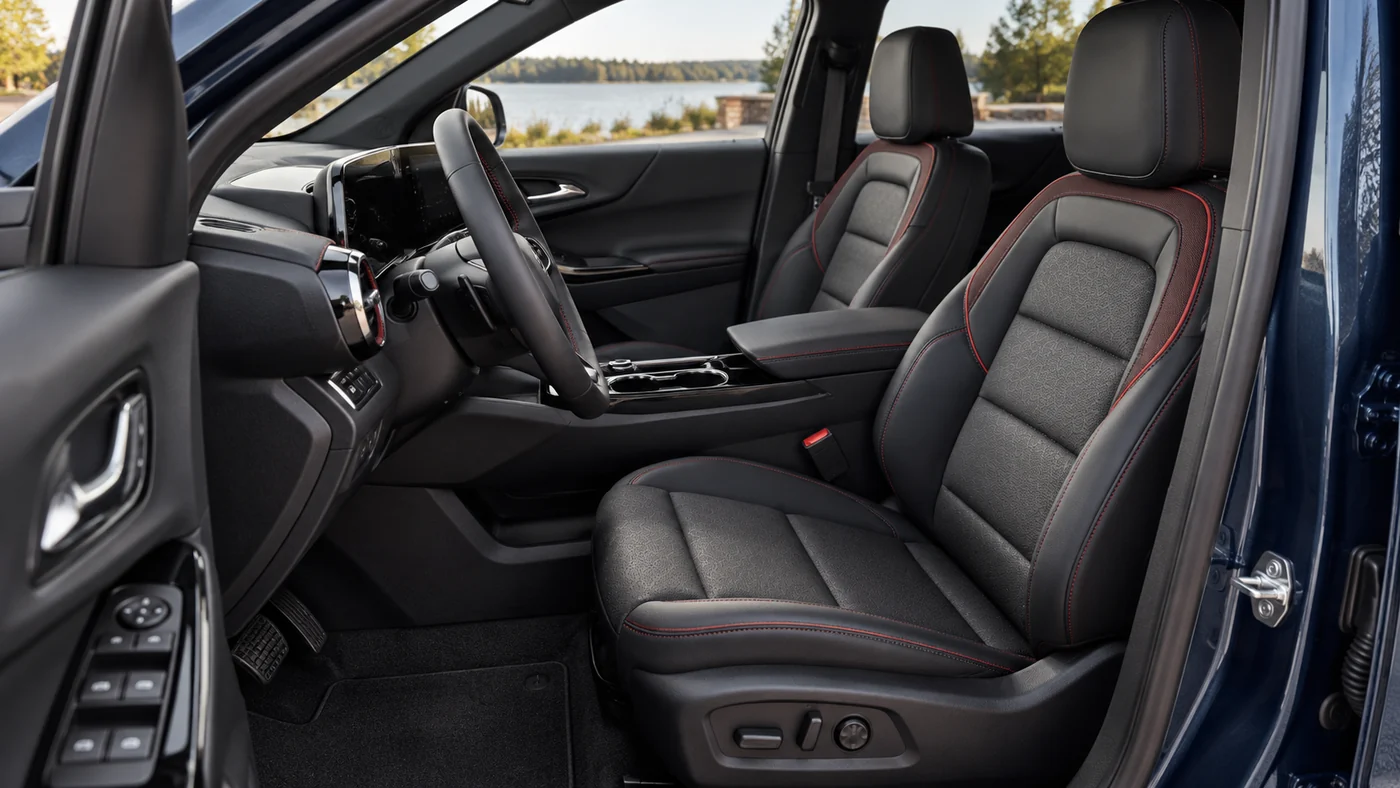
AI-generated editorial illustration guided by Chevrolet's U.S. 2026 gasoline Equinox RS front-seat references. The black upholstery and red stitching illustrate RS-style trim, not ACTIV or every LT. It is not proof of driver fit or an exact seat-adjustment range.
For the driver, adjust the seat before the wheel, then recheck both together. Ensure you can reach and operate the pedals without shifting your hips away from the backrest. Check knee clearance against the console and door, and confirm that the chosen seat height leaves a clear view of the instruments and road. Keep the vehicle parked safely for these checks.
The front passenger should do a separate trial. Matching legroom figures do not mean the passenger's seat has the driver's exact adjustments. Verify the fitted controls on the actual car instead of inferring them from a more highly equipped demonstration vehicle.
Rear-seat room: a practical adult-passenger test
The 39.9-inch rear-legroom figure is a reason to put the Equinox on a passenger-space shortlist, not a universal claim that anyone fits behind anyone. First put the regular driver in their normal position, then evaluate the seat directly behind them. Repeat behind the front passenger if that person's setting is different.
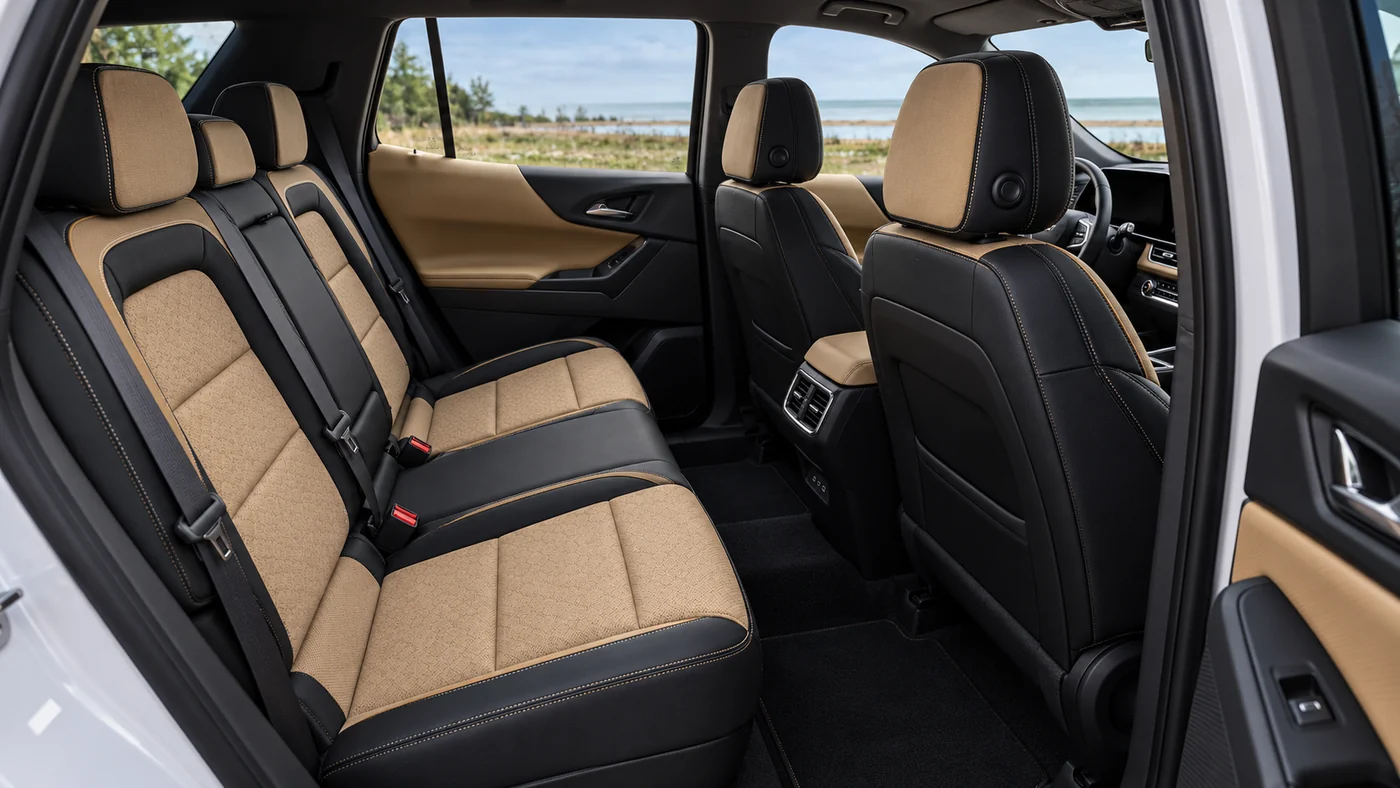
AI-generated editorial illustration using Chevrolet's U.S. 2026 gasoline Equinox cabin references and an ACTIV-style palette. Rear upholstery details are illustrative, not a photographed production configuration. It does not establish headroom, legroom, three-adult comfort or child-seat fit.
Place your feet naturally and check whether the front seatback limits your knees or your feet encounter an obstruction under the seat. Sit with your back against the backrest rather than moving forward to make the roof appear taller. Check thigh support, roof clearance and whether the belt lies comfortably across your body.
If three people will sit in back, test the complete group together. The rear shoulder-room number cannot establish three equal spaces. Look at how the middle occupant sits, whether adjacent shoulders overlap, whether everyone can reach their own buckle, and whether either door pushes an outboard passenger inward when shut.
Also try entering and leaving the vehicle. The seated dimensions do not describe the door opening or the movement needed to clear its roof edge. A passenger with limited mobility may need an opening that allows a comfortable transfer even if there is enough room once seated. This guide does not publish a door-aperture dimension or certify accessibility.
Child seats: do not turn legroom into an installation guarantee
A rear-facing child seat can occupy space in ways a passenger legroom specification does not capture. Its shell, recline setting, base and required clearance can matter as much as the vehicle's published number. Three-across fit also depends on seat width, belt or anchor access and the permitted seating positions.
Bring the exact child seat and use both the vehicle manual and its own instructions. Set the driver's seat normally before checking the space behind it. Verify the approved installation method and make sure any adjacent buckle remains accessible. Do not move the driver into an uncomfortable or unsafe posture just to make a demonstration appear successful.
An AI illustration of an empty bench cannot establish safe installation. If you cannot confidently interpret the required arrangement, get help from a qualified child-passenger-safety technician. The checklist is editorial shopping guidance; SUVLook has not performed an installation test for this article.
Passenger dimensions are not cargo dimensions
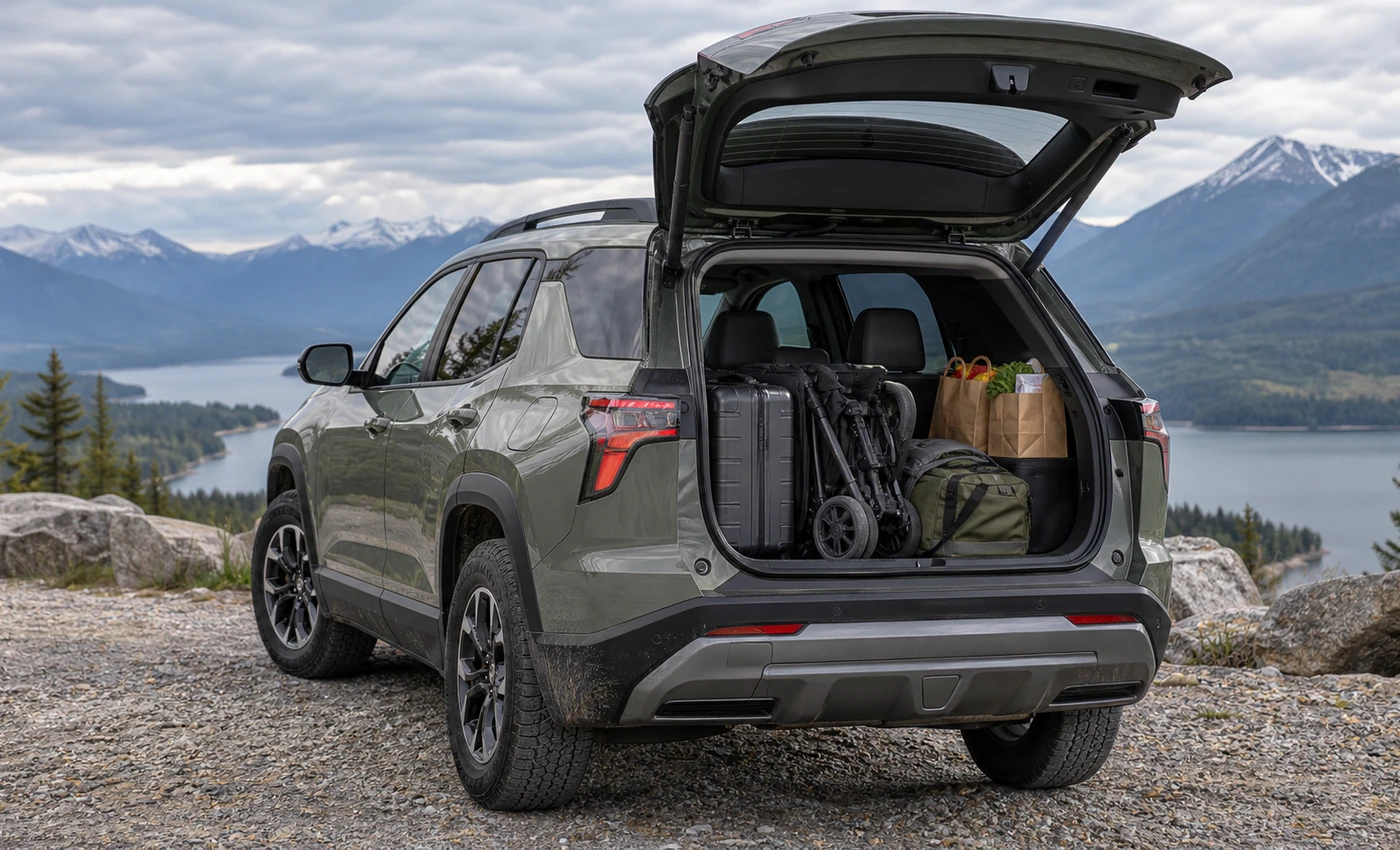
GM lists 29.8 cubic feet behind the rear seats and 63.5 cubic feet with them folded in the Specifications section of its 2026 gasoline Equinox order guide. These are cargo-volume ratings, not a hatch width, floor length or measured sleeping platform. The official 2026 Fleet Guide separately supports the folded-seat maximum of 63.5 cubic feet.
Use the Equinox cargo-dimensions guide for the separate loading question and its year-specific evidence. A five-passenger household must evaluate the seats-up arrangement; a demonstration that folds away the required rear seats does not solve the real trip.
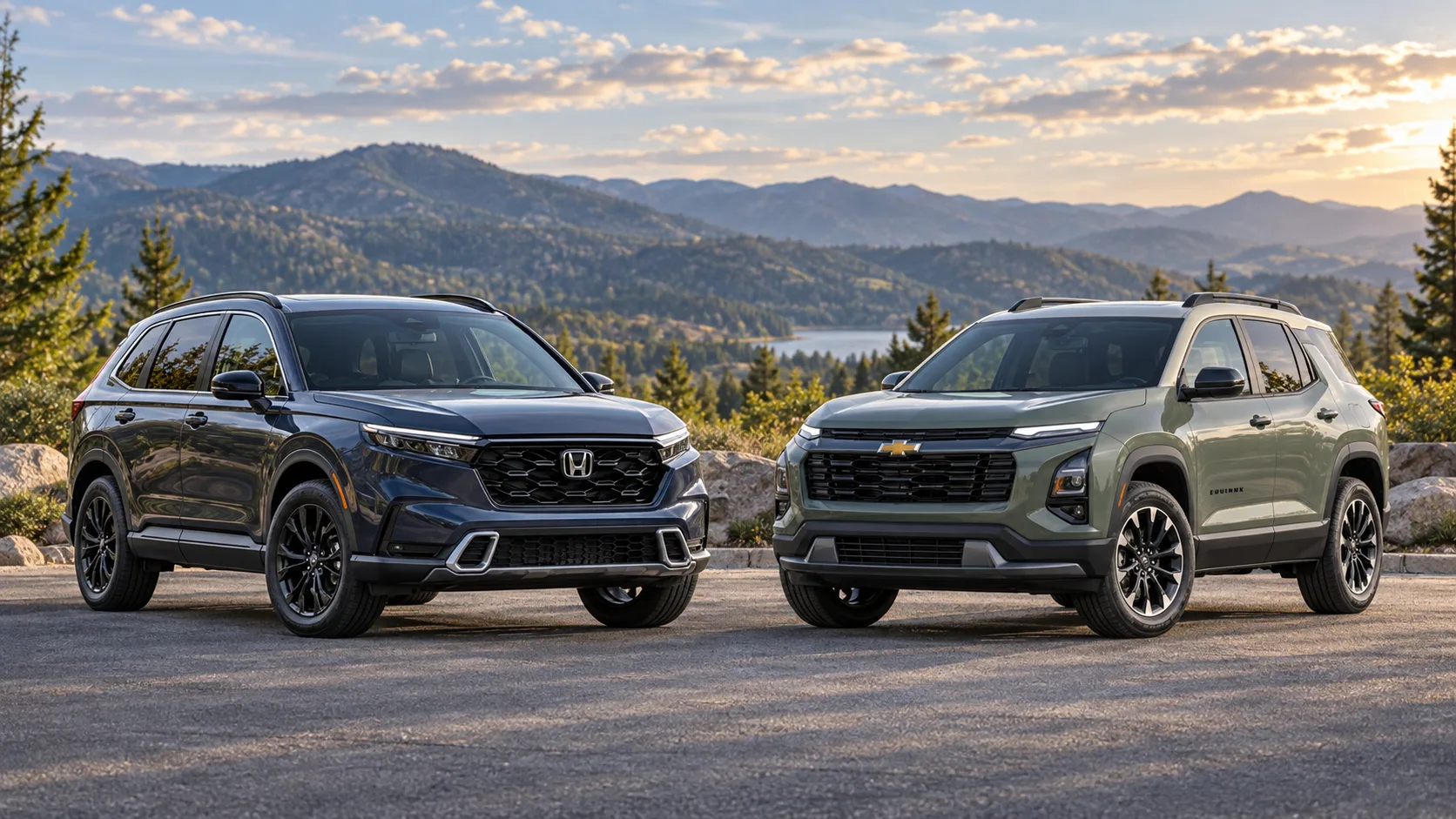
For broader research, see the 2026 gasoline Equinox profile, the CR-V versus Equinox comparison and the compact-SUV comparison. Keep the same model year and roof definition when comparing passenger figures. Differences between unspecified trims are not necessarily differences between whole model lines.
Why Equinox EV and older model years need separate tables
Equinox EV is a separate vehicle, not the electric engine choice in this gasoline table. GM maintains separate model entries and a separate Fleet Guide section. Its cabin, exterior and cargo values must be checked independently. This page does not borrow its dimensions or electric-model photographs.
For used gasoline examples older than the redesigned 2025 model, retrieve the matching-year manufacturer information rather than relying on a listing that omits the year. A familiar badge does not establish the same interior. This guide also does not assign 2027 specifications simply because the checked 2025 and 2026 tables match.
Our practical approach is to choose the exact year, identify the roof, set the front seats for the real occupants and then test the rear arrangement. Compare the fitted seat and wheel details last. That order separates the dimensional limit from an equipment preference and makes a showroom visit more useful.
Frequently asked questions
What are the 2026 Chevy Equinox interior dimensions?
The gasoline model lists 40.9/39.9 inches front/rear legroom, 57.7/55.8 shoulder room and 54.2/51.7 hip room in GM's order guide. Headroom is 40.0/39.2 without the optional sunroof or 38.2/37.8 with it.
Are 2025 and 2026 gasoline Equinox passenger dimensions the same?
The separately checked U.S. GM order-guide entries list matching headroom, legroom, shoulder-room and hip-room figures for LT, ACTIV and RS. That does not prove every seat, option or comfort characteristic is identical, and it does not apply to Equinox EV.
Does the Equinox sunroof reduce headroom?
The optional-sunroof specification is lower by a calculated 1.8 inches in front and 1.4 inches in back. Try the exact roof-equipped car in your normal seating posture; the published difference does not predict an individual's clearance.
Can three adults or three child seats fit across the rear bench?
The cabin table cannot establish that. Test the actual occupants or approved child-seat arrangement, including belt and buckle access, door closure and front-seat settings. This guide contains no physical three-across or child-seat installation result.