Dimensions · Space · Buying guides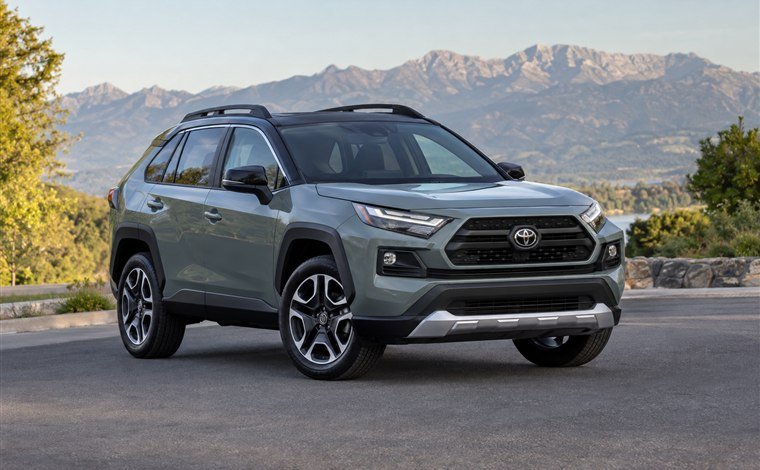
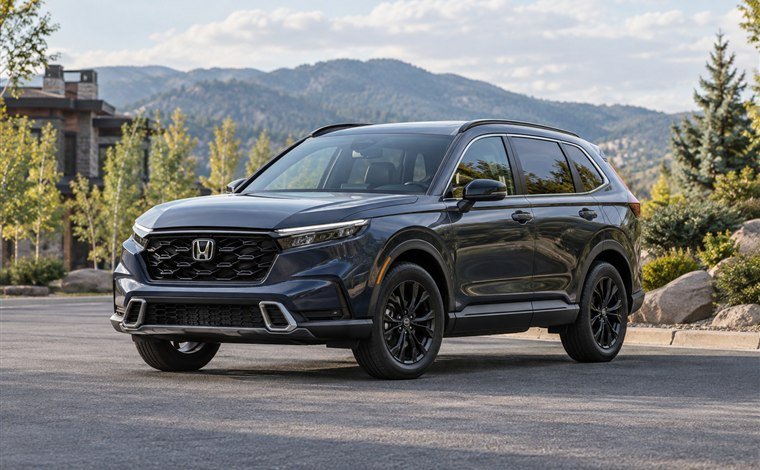
Choosing between these two starts with the powertrain. The 2026 Toyota RAV4 begins a new generation, while the Honda CR-V continues its current body with gasoline and hybrid choices. Compare the back seat, cargo figures and equipment for the versions you would actually buy. The figures below are for 2026; older-generation measurements are kept separate.
Quick comparison
The 2026 RAV4 and CR-V use different powertrain strategies, so the exact trim matters.
RAV4 Hybrid LE FWD starts at 31,900 USD.
CR-V LX gas starts at 30,920 USD before destination.
Front legroom is 41.0 in in the RAV4 and 41.3 in in the CR-V.
Rear legroom is 37.8 in in the RAV4 and 41.0 in in the CR-V.
Cargo behind the rear seat is 37.8 cu ft in the RAV4, 39.3 cu ft in the gas CR-V and 36.3 cu ft in the CR-V hybrid.
Maximum cargo is 69.8 cu ft in the RAV4, 76.5 cu ft in the gas CR-V and 71.8 cu ft in the CR-V hybrid.
Selected AWD RAV4 grades tow up to 3,500 lb; the CR-V is rated up to 1,500 lb gas or 1,000 lb hybrid.
Powertrain and efficiency
Toyota moved the U.S. RAV4 range to hybrid and plug-in-hybrid power for 2026. The standard hybrid produces 226 hp with front-wheel drive and 236 hp with all-wheel drive. A 324-hp plug-in model is also available with up to 52 miles of published electric range.
Honda keeps a broader powertrain mix. Gas CR-V models use a 190-hp 1.5-liter turbocharged four-cylinder with a CVT, while hybrid trims use a 204-hp two-motor system. Front-wheel drive remains available on eligible trims, and AWD is available or standard depending on the configuration.
That makes the powertrain decision different in each showroom. Toyota makes electrification the baseline and lets the buyer decide between regular hybrid and plug-in hybrid. Honda lets the buyer start with a conventional gas model or move to a hybrid without changing vehicle size.
Price and trim strategy
The RAV4 Hybrid LE starts at $31,900 in the current Toyota pricing used by SUVLook. Hybrid SE, XLE Premium, Woodland, XSE and Limited build upward from there, while plug-in-hybrid SE, Woodland, XSE and GR SPORT versions occupy a higher price band.
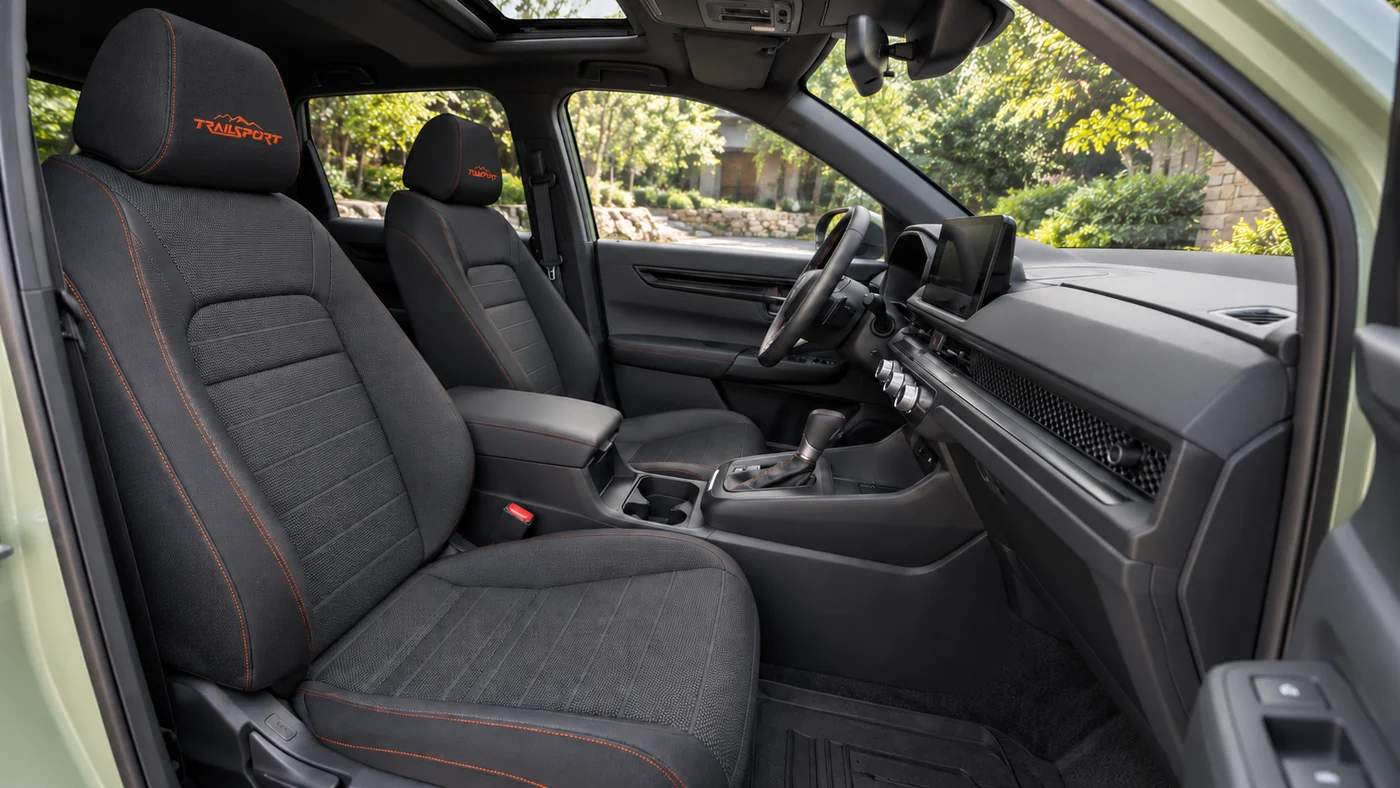
Honda's CR-V LX starts at $30,920 before destination in the current Honda pricing. The lineup then branches between gasoline and hybrid trims. Sport Hybrid begins at $35,630, while TrailSport Hybrid, Sport-L Hybrid and Sport Touring Hybrid add equipment and, on selected versions, standard AWD.
The useful comparison is therefore not simply base price against base price. A shopper who specifically wants a hybrid is comparing the regular RAV4 against Honda's hybrid trims, while a shopper focused on the lowest entry price can still choose a gas CR-V. Toyota no longer offers a conventional gas-only RAV4 in the 2026 U.S. lineup.
Fuel economy and electric driving
Toyota publishes up to 47 mpg city, 40 highway and 43 combined for the most efficient RAV4 hybrid configuration in its current estimates. Selected AWD grades reach up to 45 city, 39 highway and 42 combined. The plug-in hybrid adds up to 52 miles of published electric range, and equipped XSE and Woodland versions add CCS DC fast-charging capability.
Honda's most efficient CR-V hybrids publish up to 43 mpg city and 36 highway. TrailSport Hybrid is lower at 38 city and 33 highway because its AWD and all-terrain-oriented equipment change the result. Gasoline CR-V versions publish lower fuel economy than the hybrids, with selected configurations around 28 city and 33 highway.
For a driver who can charge at home, the RAV4 PHEV creates a use case the CR-V does not currently match: many short trips can potentially be completed on electric power before the gasoline engine is needed. For a driver who cannot charge, the regular RAV4 hybrid and CR-V hybrid are the more direct efficiency comparison.
Passenger space and tall-driver fit
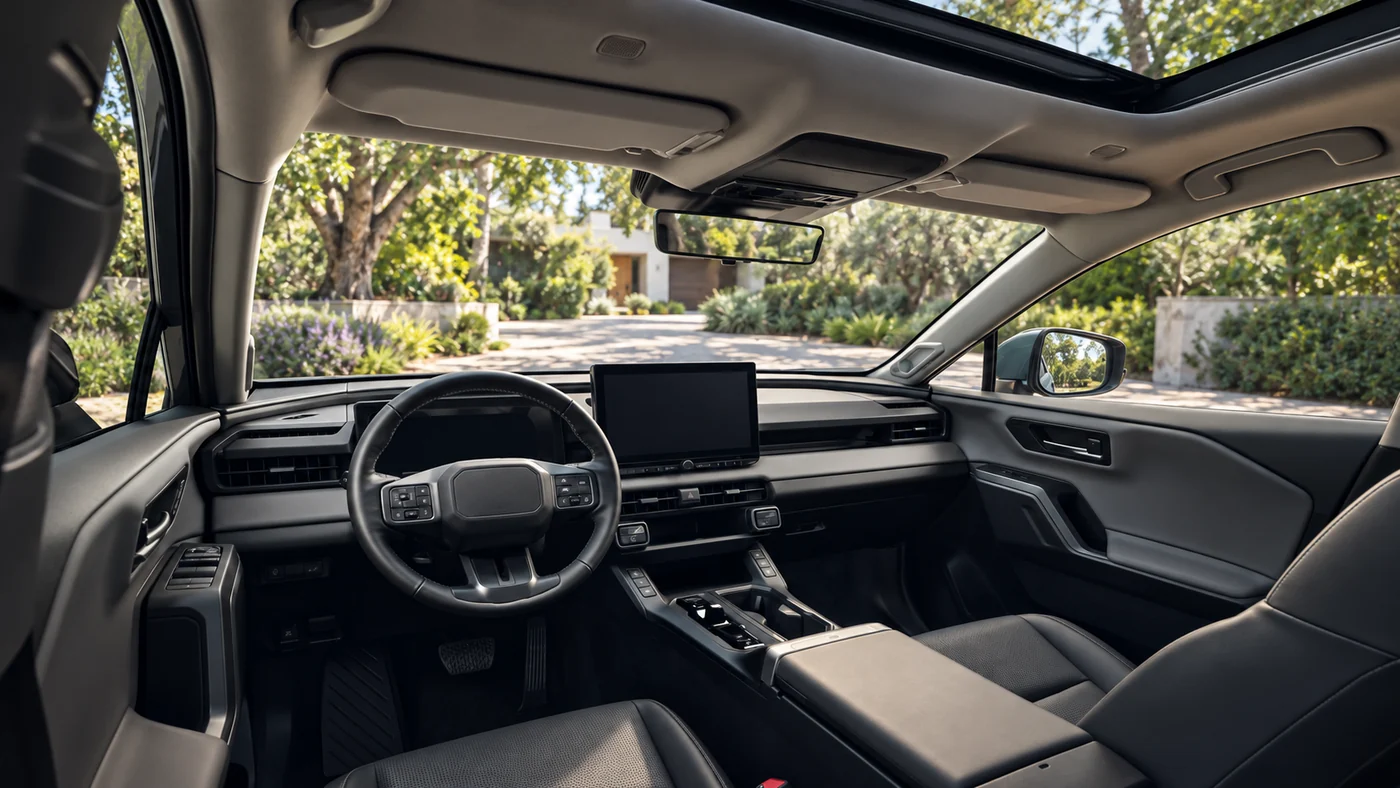
The front-seat legroom numbers are close. Toyota lists 41.0 inches for the RAV4, while Honda publishes 41.3 inches for the CR-V. The larger difference is in back: Toyota lists 37.8 inches of rear legroom for the current RAV4 comparison configuration, while Honda publishes 41.0 inches for the CR-V.
That rear-seat difference matters if a tall driver regularly carries another adult behind them. The CR-V's published number gives more room to work with before seat shape and driving position are considered.
Headroom also needs trim context. Toyota's current RAV4 comparison data lists 37.7 inches of front headroom for the configuration used in SUVLook's profile. Honda lists 40.0 inches in the CR-V LX and 38.2 inches in many moonroof-equipped trims. Roof equipment can therefore change the answer for a long-torso driver even when the exterior dimensions barely change.
The safest way to compare fit is to sit in the exact trim, set seat height before moving rearward, extend the steering wheel toward you, then leave the driver's seat in place and sit behind yourself.
Exterior size and parking footprint
The RAV4 is the shorter vehicle in the published comparison. Toyota lists 181.0 inches of overall length, 73.0 inches of width and a 105.9-inch wheelbase. Honda lists 184.8 inches of length, 73.5 inches of width and a 106.3-inch wheelbase for the CR-V.
Those differences are modest, but a few inches can matter in a short garage or dense parking environment. Overall length also does not tell the whole parking story. Mirror width, steering geometry and the space needed for an open liftgate all matter, so buyers with fixed garage dimensions should measure the real space rather than relying on vehicle length alone.
Cargo space with the seats up and folded
Toyota publishes 37.8 cubic feet behind the RAV4 rear seat and 69.8 cubic feet with the seat folded for the current 2026 comparison configuration. Toyota also publishes a 37.8-inch cargo-area length and 60.5-inch cargo-area width, but SUVLook keeps Toyota's label intact: the 60.5-inch field should not be reinterpreted as width between the wheel housings.
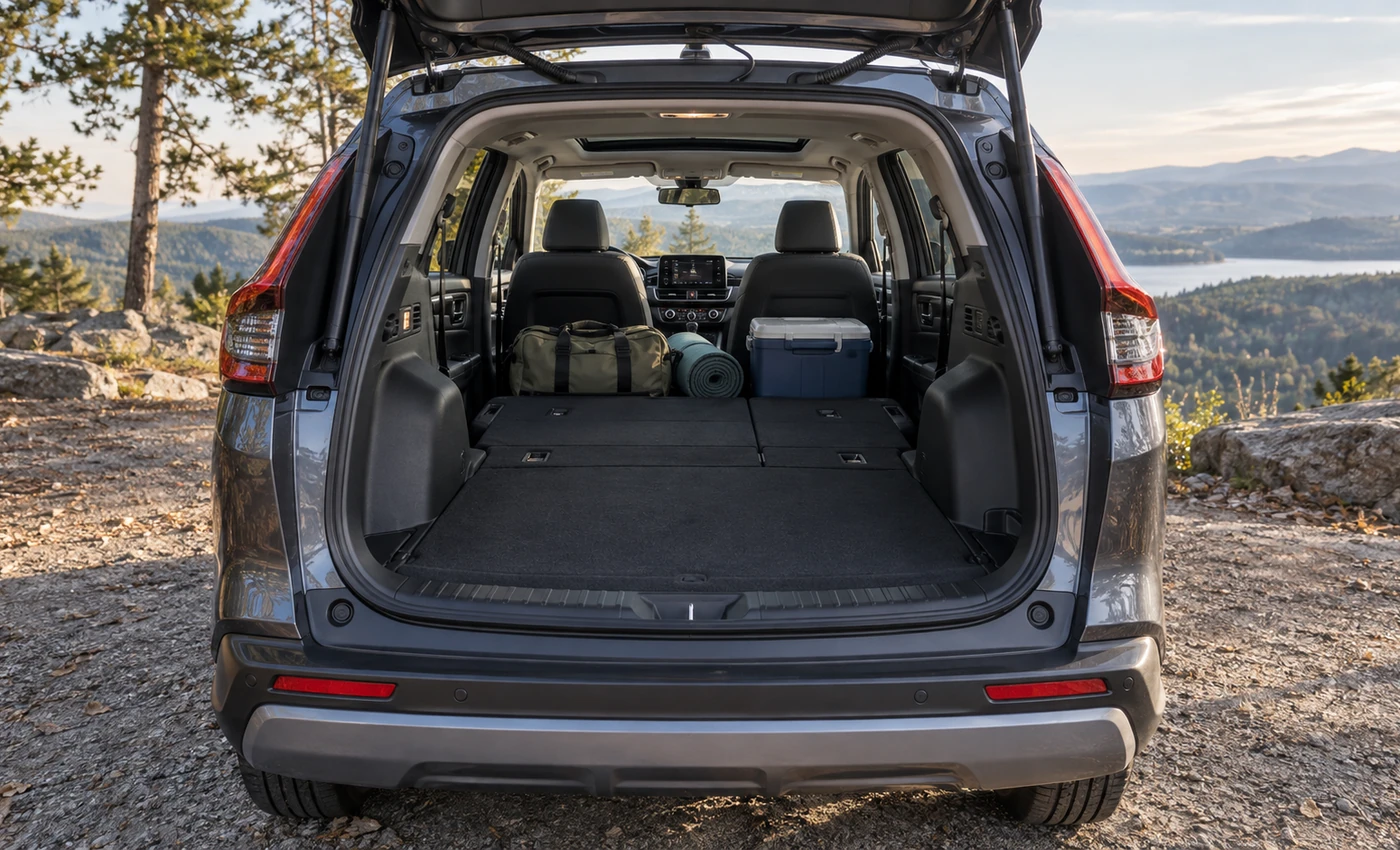
Honda lists 39.3 cubic feet behind the rear seat and 76.5 cubic feet maximum for gasoline CR-V models. Applicable hybrids publish 36.3 cubic feet behind the rear seat and 71.8 maximum.
That means the answer changes by CR-V powertrain. A gas CR-V has the largest published cargo figures in this matchup. The RAV4 has slightly more seats-up volume than a CR-V hybrid, while Honda's hybrid has slightly more maximum volume with the rear seat folded.
For rigid cargo, cubic feet are only a screening tool. A dog crate, wheelchair, appliance or drawer system has to pass through the hatch and between the narrowest points. Use the RAV4 cargo dimensions guide and CR-V cargo dimensions guide before assuming a particular object will fit.
Towing, AWD and rough-road equipment
Toyota gives selected 2026 RAV4 AWD hybrid and PHEV grades a maximum published tow rating of 3,500 pounds. Other configurations are lower; the current profile lists 1,750 pounds for FWD models and LE AWD. Woodland adds AWD, all-terrain tires and a tow-hitch receiver as part of its more outdoors-oriented equipment.
Honda rates gasoline CR-V models up to 1,500 pounds and hybrids up to 1,000 pounds when properly equipped. TrailSport Hybrid adds standard AWD and all-terrain tires, but its published tow rating remains below the RAV4's highest-capability configurations.
Anyone planning to tow should verify the exact owner's manual, hitch rating, payload and tongue-weight limits. The headline maximum is not a substitute for the complete load calculation.
Technology and cabin interface
Toyota makes a 10.5-inch multimedia display standard on the 2026 RAV4 and offers a 12.9-inch screen. A 12.3-inch digital gauge cluster is standard across the lineup, and wireless Apple CarPlay and Android Auto are supported. The redesign also introduces Toyota's newer multimedia architecture and Arene software platform.
Honda also supports wireless Apple CarPlay and Android Auto, with wireless phone charging on equipped CR-V trims. Sport Touring Hybrid adds Google built-in and a Bose premium audio system, while selected upper trims use a 10.2-inch digital instrument display.
Screen size is easy to compare on paper, but interaction quality is not. During a test drive, pair your phone, change common climate and audio settings, open the camera views and see how many steps routine tasks require.
Safety context for the 2026 generation
Toyota Safety Sense 4.0 is standard on the all-new 2026 RAV4, and Blind Spot Monitor with Rear Cross-Traffic Alert is standard in Toyota's current specification. Because 2026 starts a new RAV4 generation, SUVLook does not carry prior-generation IIHS crash ratings onto the new body without current-generation support.
Honda Sensing is standard across the 2026 CR-V lineup. SUVLook records IIHS results where the institute explicitly supports the current generation and does not assume an older rating remains valid simply because the model name is unchanged.
That distinction matters for redesign years. Safety equipment can carry familiar names even when the body structure and test applicability have changed.
Ownership and warranty basics
Toyota lists a 3-year/36,000-mile basic warranty and 5-year/60,000-mile powertrain warranty for the RAV4. Hybrid-related components have longer coverage, including an 8-year/100,000-mile hybrid-component warranty and a 10-year/150,000-mile hybrid-battery warranty in Toyota's U.S. coverage.
Honda lists a 3-year/36,000-mile new-vehicle limited warranty and 5-year/60,000-mile powertrain warranty for the CR-V. Hybrid-system coverage should be checked in Honda's current warranty booklet because terms can vary by component and state.
Maintenance, insurance and real-world fuel cost depend on driving pattern and location, so the warranty comparison should sit beside the powertrain decision rather than replace it.
Which configuration fits which use case?
The 2026 RAV4 is especially relevant to shoppers who want a hybrid as the default powertrain, want a much more powerful plug-in-hybrid option, or need the 3,500-pound tow rating available on selected AWD grades. Its shorter published overall length can also help when garage depth is limited.
The CR-V is especially relevant to buyers who want a lower-priced gasoline entry model, more published rear legroom or the largest gas-model cargo figures. It also lets buyers choose between conventional turbo power and hybrid efficiency instead of requiring an electrified powertrain.
Neither summary replaces a trim-level test drive. Compare the exact seat, roof, drivetrain, cargo floor and tire package you plan to buy.
What to check before you buy
- Choose the powertrain first. Do not combine RAV4 hybrid economy with CR-V gas cargo volume as if those numbers describe comparable configurations.
- Sit in both rows. Rear legroom is a meaningful difference on paper, but seat shape and floor height still matter.
- Measure rigid cargo. Cubic feet cannot confirm whether a crate or appliance clears the hatch.
- Verify towing by trim. The RAV4's highest tow rating is configuration-specific, and CR-V ratings change by gas versus hybrid.
- Check roof equipment. Moonroofs can reduce headroom enough to change tall-driver fit.
Frequently asked questions
Is the 2026 Toyota RAV4 hybrid only?
Yes in the U.S. lineup described by Toyota for 2026. The regular range uses hybrid power, and Toyota also offers plug-in-hybrid versions. There is no conventional gas-only 2026 RAV4 in the current U.S. profile.
Which has more rear legroom, the RAV4 or CR-V?
Honda publishes 41.0 inches of rear legroom for the 2026 CR-V, while Toyota's current 2026 RAV4 comparison configuration lists 37.8 inches.
Which has more cargo space?
The answer depends on CR-V powertrain. Honda lists 39.3/76.5 cubic feet for gas CR-V models and 36.3/71.8 for applicable hybrids. Toyota lists 37.8 cubic feet behind the rear seat and 69.8 maximum for the current RAV4 comparison configuration.
Which can tow more?
Selected 2026 RAV4 AWD hybrid and PHEV grades are rated up to 3,500 pounds. Honda lists up to 1,500 pounds for gas CR-V models and 1,000 pounds for hybrids.
Does the 2026 RAV4 have a plug-in hybrid?
Yes. Toyota lists a 324-hp plug-in-hybrid system with up to 52 miles of published electric range for selected configurations.