Dimensions · Space · Buying guides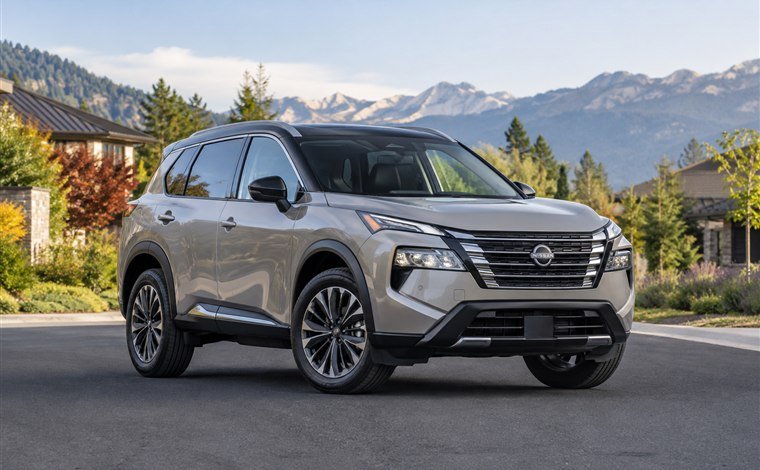
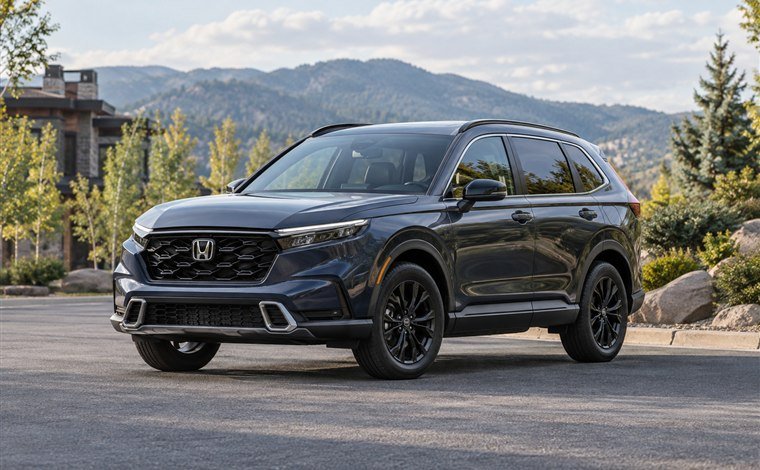
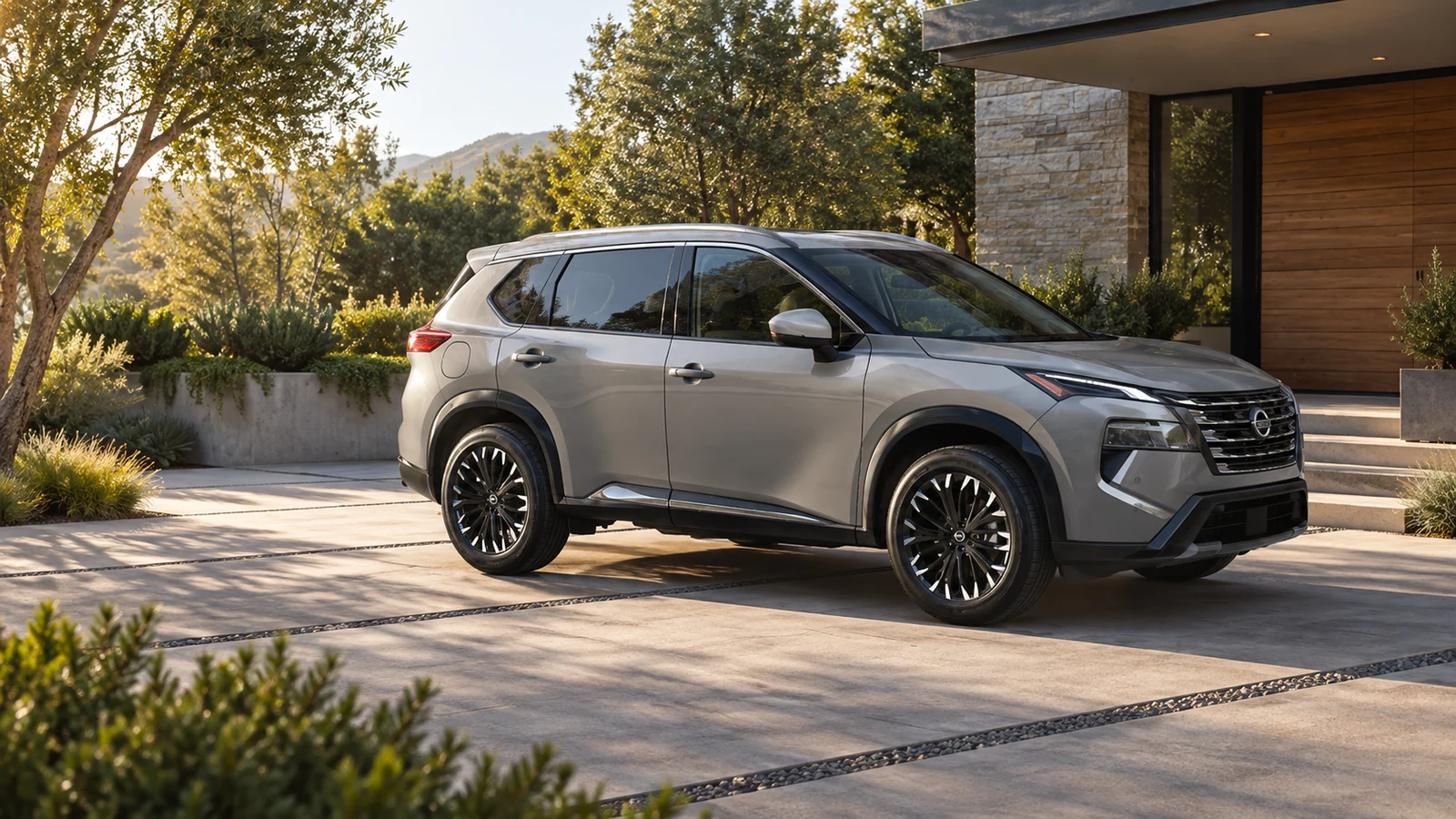
The 2026 Nissan Rogue and Honda CR-V are close enough in exterior size to land on the same compact-SUV shopping list, but their current specifications point to different strengths. The Rogue uses one 201-hp VC-Turbo gasoline engine across its main lineup and offers front-wheel drive or Intelligent AWD. The CR-V gives buyers a 190-hp turbo gasoline engine or a 204-hp two-motor hybrid, with front- or all-wheel drive depending on trim.
If you want a hybrid, the CR-V gives you that choice here. If you're comparing gasoline models, look next at the back seat, cargo space and the equipment included for your budget. The figures below stay tied to the relevant trim and drivetrain, so a maximum rating doesn't become a promise about every version.
Quick comparison
| Research field | 2026 Nissan Rogue | 2026 Honda CR-V |
|---|---|---|
| Engine | 1.5L VC-Turbo 3-cylinder | 1.5L turbo 4-cylinder; hybrid available |
| Output | 201 hp / 225 lb-ft | 190 hp gas; 204 hp hybrid |
| Drivetrain | FWD or Intelligent AWD | FWD or Real Time AWD, trim dependent |
| Front legroom | 41.5 in | 41.3 in |
| Rear legroom | 38.5 in | 41.0 in |
| Cargo behind rear seat | 36.5 cu ft without moonroof; 36.3 with moonroof | 39.3 cu ft gas; 36.3 cu ft hybrid |
| Maximum cargo | 74.1 cu ft | 76.5 cu ft gas; 71.8 cu ft hybrid |
| Maximum towing | 1,500 lb | 1,500 lb gas; 1,000 lb hybrid |
| Hybrid | No hybrid in the 2026 gasoline profile | Available |
The numbers show why the answer changes with use. The Rogue is competitive on maximum cargo volume and front-seat space, while the CR-V publishes more rear legroom and more seats-up cargo volume in gasoline form. The CR-V also adds a hybrid path that the 2026 gasoline Rogue profile does not offer.
Powertrain and everyday performance
The Rogue uses Nissan's 1.5-liter VC-Turbo three-cylinder with 201 horsepower and 225 lb-ft of torque. It is paired with an Xtronic CVT. Front-wheel drive is available on much of the range, while Intelligent AWD is available and is standard on the adventure-oriented Rock Creek grade.
Honda divides the CR-V lineup between a 190-hp 1.5-liter turbocharged four-cylinder and a 204-hp two-motor hybrid. Gasoline models use a CVT, while the hybrid uses Honda's electrified drive system. Front-wheel drive is available on selected trims and AWD can be added or comes standard on specific hybrid grades such as TrailSport Hybrid and Sport Touring Hybrid.
That makes the Rogue the simpler powertrain decision. The engine output does not change as a shopper moves through the mainstream trim range. The CR-V asks a bigger question first: gasoline or hybrid. That choice affects fuel economy, cargo volume, towing and price, so two CR-Vs can differ more meaningfully than two Rogues.
See the full 2026 Nissan Rogue research profile and 2026 Honda CR-V research profile for the model-year data behind this comparison.
Cargo space with the rear seat in use
For families who usually carry passengers, cargo space behind the second row matters more often than the folded-seat maximum. Nissan's 2026 brochure lists 36.5 cubic feet behind the rear seat without the moonroof and 36.3 cubic feet with the moonroof. That small difference is a reminder that roof and trim equipment can affect the published number.
Honda publishes 39.3 cubic feet behind the second row for gasoline CR-V configurations and 36.3 cubic feet for applicable hybrid trims. A gasoline CR-V therefore has the largest published seats-up figure in this comparison. A hybrid CR-V lands essentially on the Rogue's moonroof-equipped figure.
Volume does not tell the whole fit story. Nissan's research profile also carries a 36.8-inch cargo-floor reference with the seats up, a 72.0-inch folded length, a 43.0-inch maximum cargo width and a 34.2-inch maximum cargo height. Those labels should remain intact: maximum width is not automatically the space between the wheel housings.
Use the Rogue cargo dimensions guide and CR-V cargo dimensions guide when a stroller, crate, bicycle or other rigid object needs more than a cubic-foot comparison.
Maximum cargo volume
With the rear seat folded, Nissan publishes 74.1 cubic feet of maximum cargo volume for the 2026 Rogue. Honda publishes 76.5 cubic feet for gasoline CR-V models and 71.8 cubic feet for applicable hybrids.
Those values are close enough that a buyer should not treat a few cubic feet as proof that one cargo bay will fit every real object better. Floor shape, seatback angle, wheel-housing intrusion and liftgate opening dimensions can matter more for bulky gear.
The useful takeaway is configuration-specific. A gasoline CR-V has the largest maximum number here. The Rogue sits between the gas and hybrid CR-V figures. If the vehicle will routinely carry long loads, Nissan's published linear references give the Rogue an additional research advantage because they help answer questions that volume alone cannot.
Passenger space and tall-driver fit
The front-row legroom figures are nearly identical: Nissan publishes 41.5 inches for the Rogue and Honda publishes 41.3 inches for the CR-V. That two-tenths-of-an-inch difference is too small to predict real comfort by itself.
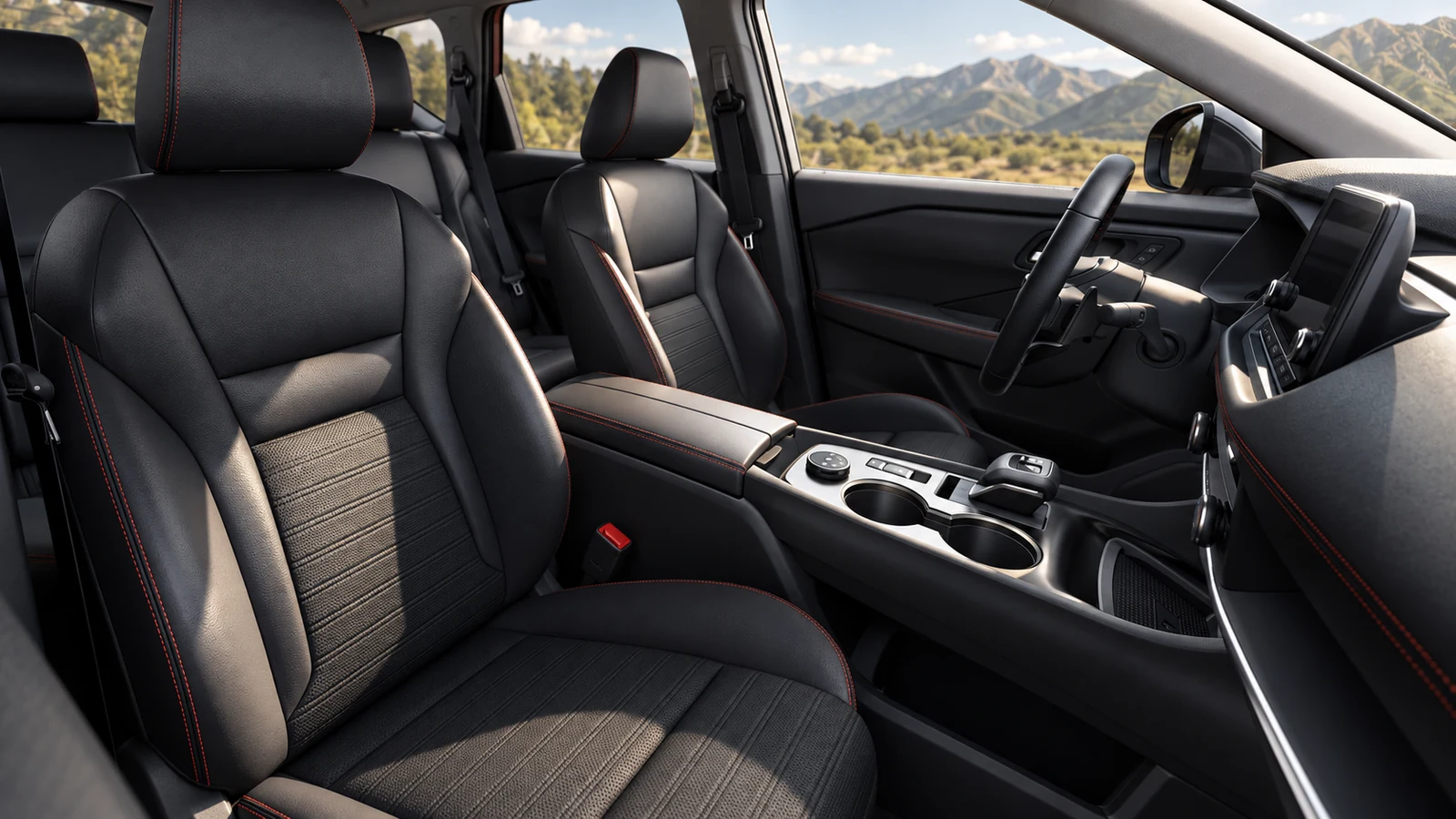
The rear row creates a clearer separation. The Rogue lists 38.5 inches of rear legroom, while the CR-V lists 41.0 inches. For households that regularly carry adults or rear-facing child seats behind a tall front occupant, the CR-V's published rear-legroom advantage is worth testing in person.
Headroom also needs trim context. On the CR-V, front headroom is 40.0 inches in the LX and 38.2 inches on many moonroof-equipped trims. Nissan equipment can likewise change the roof environment. Tall shoppers should sit in the exact trim they intend to buy rather than assuming one body-style measurement represents every interior package.
Seat-cushion length, steering-wheel reach and pedal position remain personal variables. Published legroom is best used to build a shortlist, not to replace a test fit.
Fuel economy and the hybrid question
Fuel economy is where the CR-V lineup changes the comparison most. Honda's most efficient 2026 hybrid configurations publish figures up to 43 mpg city and 36 mpg highway. Gasoline CR-V configurations reach roughly 28 city and 33 highway in the most efficient published setups, with AWD and trim affecting the result.
The Rogue uses gasoline only in the 2026 profile maintained here. Nissan's exact EPA result varies by trim and drivetrain, and SUVLook keeps that rating tied to the specific configuration rather than presenting one number as universal.
For a high-mileage commuter, the CR-V hybrid deserves a separate ownership calculation because it changes fuel use materially. For a buyer who wants a conventional gasoline compact SUV with one consistent engine choice across the range, the Rogue is simpler to compare from trim to trim.
The fairest test is equivalent drivetrain versus equivalent drivetrain. A CR-V Hybrid FWD fuel-economy number should not be compared with an AWD Rogue if AWD is mandatory for the buyer.
AWD, snow and rough-road context
Both SUVs can be configured with all-wheel drive. The Rogue offers Intelligent AWD and makes AWD standard on Rock Creek. That grade also adds all-terrain-oriented equipment and Hill Descent Control.
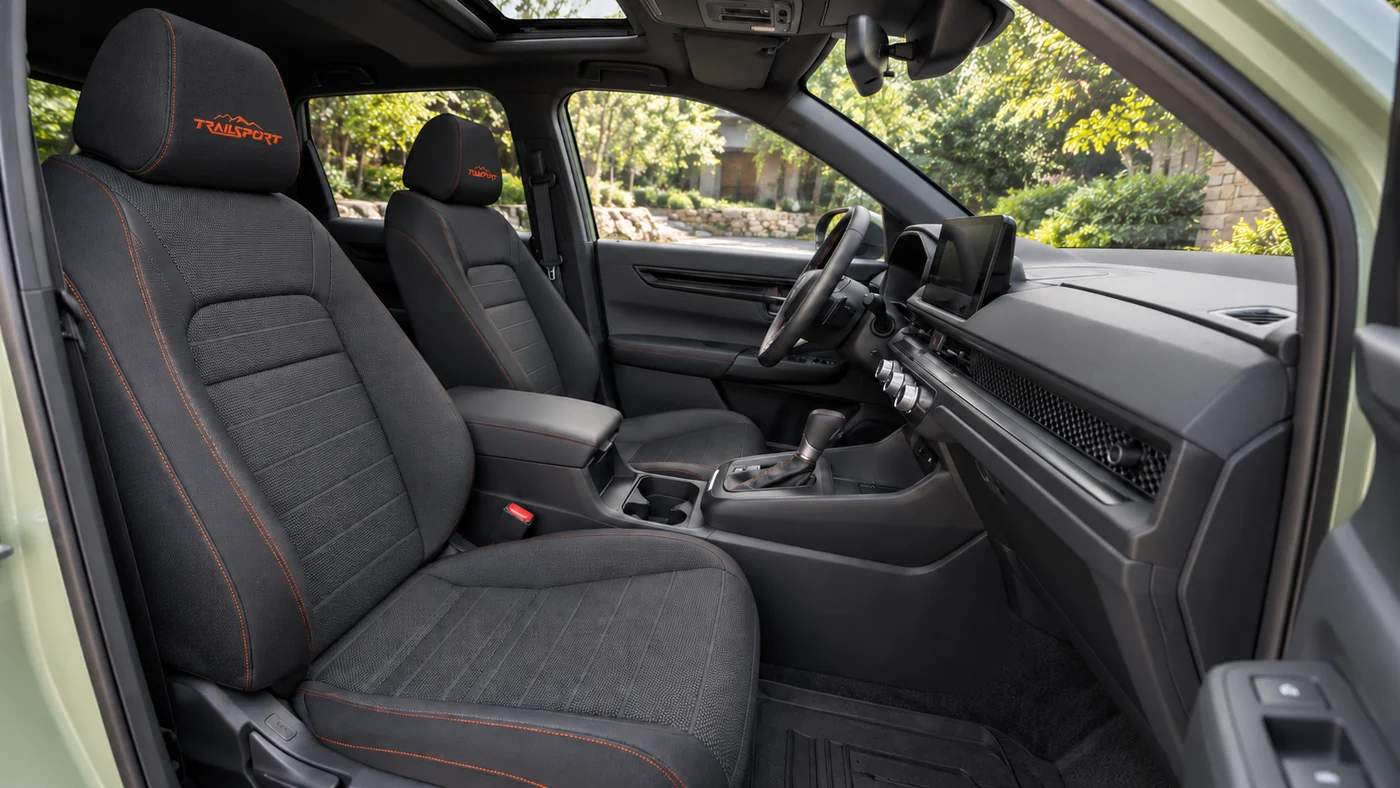
The CR-V offers Real Time AWD on eligible trims, while TrailSport Hybrid and Sport Touring Hybrid include AWD as standard equipment. TrailSport also adds all-terrain tires and is the more outdoors-oriented CR-V configuration.
AWD is only one part of winter or loose-surface traction. Tire choice, ground clearance and driver expectations matter at least as much. Buyers should compare the exact tires fitted to the trim on the lot rather than treating every AWD badge as equivalent.
Towing capacity
The 2026 Rogue is rated to tow up to 1,500 pounds when properly equipped. Gasoline CR-V models also reach 1,500 pounds. Hybrid CR-V models are rated lower at up to 1,000 pounds.
That makes the Rogue and gas CR-V broadly similar for light utility trailers, small recreational loads and hitch-mounted accessories that stay within vehicle limits. The hybrid CR-V's lower rating is another example of why powertrain must remain attached to the number.
Tow ratings are maximums, not payload promises. Passengers, cargo, hitch hardware and tongue weight all affect the real loading calculation. Verify the owner's manual and the exact vehicle label before towing.
Safety and driver-assistance context
Nissan Safety Shield 360 is part of the Rogue safety package, with features such as automatic emergency braking with pedestrian detection, blind-spot warning, rear cross-traffic alert, lane-departure warning and rear automatic braking. ProPILOT Assist is available on selected grades.
Honda Sensing is standard across the CR-V lineup and includes collision-mitigation braking, road-departure mitigation, adaptive cruise control with low-speed follow, lane-keeping assistance and traffic-sign recognition.
Crash-test context should stay model-year specific. SUVLook's Rogue profile includes 2026 IIHS results, including Good ratings in small-overlap and updated side testing, while the CR-V profile carries current-generation results only where IIHS applicability is clear. Shoppers should still open the current rating page before purchase because test protocols and applicability can change.
Technology and trim differences
The Rogue uses an 8-inch NissanConnect touchscreen on lower trims, while a 12.3-inch system is available higher in the range. Wireless Apple CarPlay is available with the larger system, and upper trims can add expanded camera views and ProPILOT Assist.
The CR-V supports wireless Apple CarPlay and Android Auto, with wireless phone charging available on equipped trims. Sport Touring Hybrid adds Google built-in and a Bose premium audio system, while selected upper trims use a 10.2-inch digital instrument display.
Screen size should not be the only technology test. Pair a phone, switch audio sources, use the parking cameras and try the driver-assistance controls during a test drive. Interface preferences can matter more every day than a specification-sheet advantage.
Pricing and model-year caveat
Honda publishes a 2026 CR-V starting MSRP of $30,920 for the LX before destination and other charges in the research profile used here. Nissan's live U.S. retail site has moved the Rogue conversation to a 2026.5 model-year designation, so SUVLook does not overwrite original 2026 pricing with newer 2026.5 figures.
For a leftover or used 2026 Rogue, the best pricing reference is the original Monroney label or VIN-specific dealer record. That preserves the actual trim, drivetrain, options and destination charge attached to the vehicle rather than mixing model-year pricing.
This is especially important when comparing a discounted 2026 Rogue against a currently listed 2026 CR-V. Transaction price can matter more than the original base MSRP once incentives and remaining inventory enter the picture.
Which one fits which buyer?
The Rogue makes sense to investigate first if you want one gasoline engine across the lineup, useful published cargo-floor references, up to 74.1 cubic feet of maximum cargo volume and a Rock Creek grade with standard AWD and more adventure-oriented equipment.
The CR-V deserves closer attention if rear-seat legroom, gasoline seats-up cargo volume or hybrid fuel economy are high priorities. It also gives shoppers more powertrain choice, though that means more care is required when comparing cargo and towing figures across trims.
Use the SUVLook comparison tool to inspect the structured profiles side by side.
What to check before buying
- Compare the exact drivetrain. FWD and AWD can change economy, equipment and price.
- Keep the CR-V powertrain attached to cargo and towing figures. Gas and hybrid numbers are not interchangeable.
- Check the Rogue's original 2026 window sticker. The current Nissan retail site has transitioned to 2026.5 naming.
- Load the cargo area with real gear. Cubic feet do not reveal every hatch-opening or wheel-housing constraint.
- Set the front seat before judging rear space. The CR-V's rear-legroom advantage is most meaningful with the driver's seat in your actual position.
Frequently asked questions
Which has more cargo space, the 2026 Rogue or CR-V?
The gasoline CR-V publishes 39.3 cubic feet behind the rear seat and 76.5 cubic feet maximum. The Rogue publishes 36.5 cubic feet without a moonroof, 36.3 with a moonroof and 74.1 cubic feet maximum. Applicable CR-V hybrids publish 36.3 cubic feet behind the rear seat and 71.8 cubic feet maximum.
Which has more rear legroom?
Honda publishes 41.0 inches of rear legroom for the 2026 CR-V, compared with 38.5 inches for the 2026 Rogue.
Does the Rogue offer a hybrid for 2026?
The 2026 Rogue profile used by SUVLook is the gasoline VC-Turbo model. The CR-V offers both gasoline and hybrid powertrains.
Which can tow more?
The Rogue and gasoline CR-V are both rated up to 1,500 pounds when properly equipped. The CR-V hybrid is rated up to 1,000 pounds.
Which is better for a tall driver?
Their front legroom figures are very close: 41.5 inches in the Rogue and 41.3 inches in the CR-V. Actual comfort depends on seat shape, steering-wheel reach, headroom and trim equipment, so the exact vehicles should be test-fit.
Research sources
- Nissan, 2026 Rogue brochure: https://www.nissanusa.com/content/dam/Nissan/us/vehicle-brochures/2026/2026-nissan-rogue-brochure-en.pdf
- Nissan News, current Rogue cargo and towing reference: https://usa.nissannews.com/en-US/releases/nissan-vehicle-questions-answers
- IIHS, 2026 Nissan Rogue ratings: https://www.iihs.org/ratings/vehicle/nissan/rogue/2026
- Honda, 2026 CR-V specifications: https://www.hondainfocenter.com/2026/CR-V/Feature-Guide/Specifications/
- Honda, CR-V model information: https://automobiles.honda.com/cr-v