Dimensions · Space · Buying guides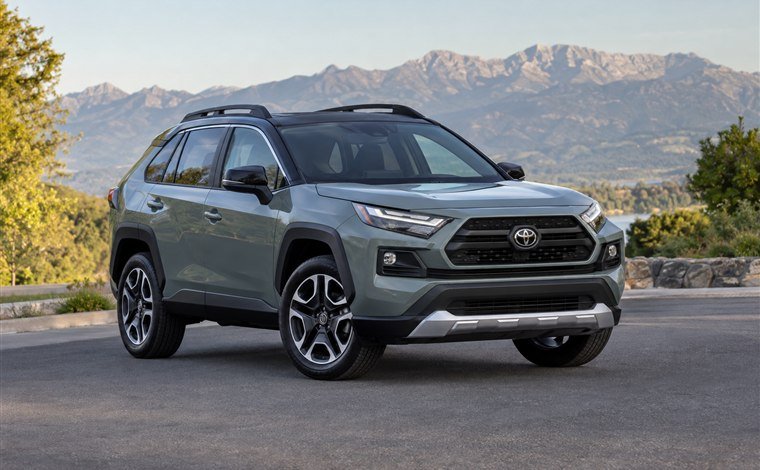
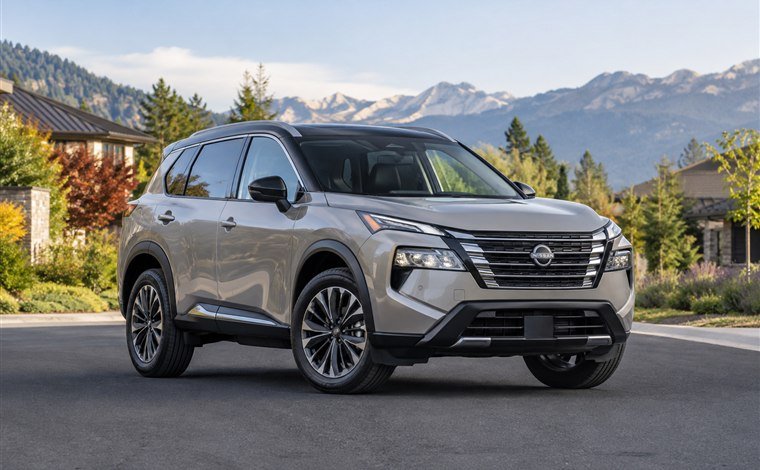
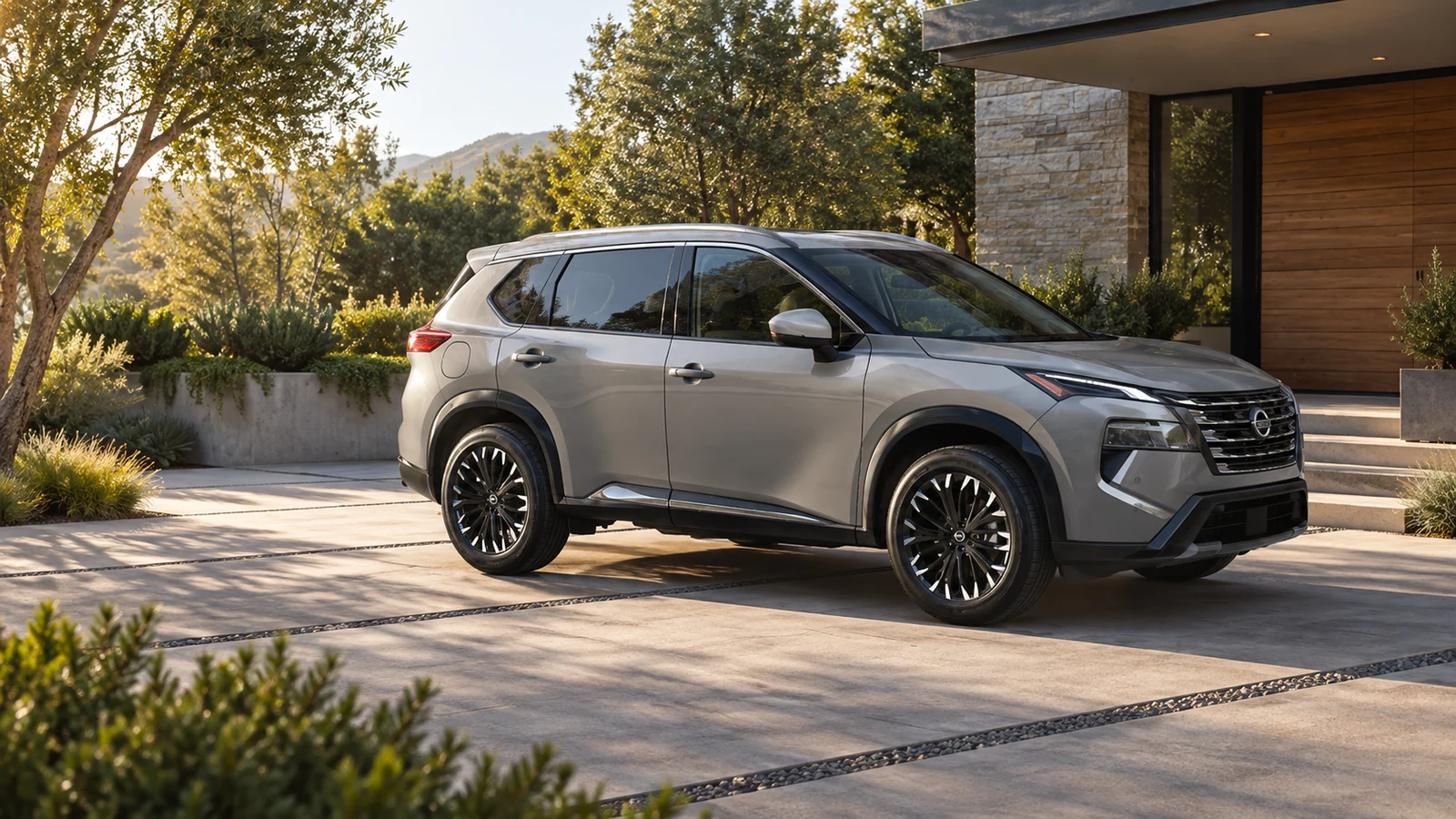
The 2026 Toyota RAV4 and Nissan Rogue both sit in the heart of the compact-SUV market, but their model-year strategies are very different. Toyota's redesigned 2026 RAV4 is electrified across the U.S. lineup, with hybrid and plug-in-hybrid powertrains. Nissan's 2026 Rogue uses a 201-hp VC-Turbo gasoline engine and gives buyers a straightforward choice between front-wheel drive and Intelligent AWD on most grades.
Pay attention to the year on the vehicle you're shopping. The RAV4's 2026 redesign means older cargo and cabin measurements aren't reliable substitutes. Nissan's retail site has also moved toward 2026.5 Rogue labeling, so keep that version separate when comparing price and equipment with the figures below.
Quick comparison
| Research field | 2026 Toyota RAV4 | 2026 Nissan Rogue |
|---|---|---|
| Main powertrain | 2.5L hybrid | 1.5L VC-Turbo gasoline |
| Output | 226 hp FWD hybrid; 236 hp AWD hybrid | 201 hp / 225 lb-ft |
| Plug-in hybrid | 324 hp, AWD | Not in the 2026 gasoline profile |
| Drivetrain | FWD or electronic AWD; PHEV AWD | FWD or Intelligent AWD |
| Front legroom | 41.0 in | 41.5 in |
| Rear legroom | 37.8 in | 38.5 in |
| Cargo behind rear seat | 37.8 cu ft | 36.5 cu ft without moonroof; 36.3 with moonroof |
| Maximum cargo | 69.8 cu ft | 74.1 cu ft |
| Maximum towing | Up to 3,500 lb on specified grades | 1,500 lb |
| Fuel-economy focus | Hybrid and PHEV | Gasoline VC-Turbo |
The RAV4 leads with electrification, seats-up cargo volume and a higher available tow rating. The Rogue counters with slightly more published legroom and more maximum folded-seat cargo volume.
Powertrain strategy: electrified RAV4 vs gasoline Rogue
Toyota made the 2026 RAV4 an electrified lineup in the U.S. The standard hybrid uses a 2.5-liter four-cylinder hybrid system. Toyota publishes 226 net combined horsepower for front-drive hybrid configurations and 236 horsepower for AWD hybrid configurations. The plug-in-hybrid version increases system output to 324 horsepower and makes AWD standard.
The Rogue keeps a conventional gasoline format. Its 1.5-liter variable-compression turbocharged three-cylinder produces 201 horsepower and 225 lb-ft of torque and works with an Xtronic CVT. Front-wheel drive is available on much of the range, and Intelligent AWD is available. Rock Creek uses AWD as part of its more adventure-oriented setup.
That means the shopping process starts in different places. With the RAV4, the first question is how much electrification and capability you want. With the Rogue, the engine is essentially settled and the main configuration decisions become trim, drivetrain and equipment.
Read the full 2026 Toyota RAV4 research profile and 2026 Nissan Rogue research profile for the underlying model-year fields.
Fuel economy and electric driving
Fuel economy is a central 2026 RAV4 advantage because every mainstream configuration is hybridized. Toyota's manufacturer estimates reach up to 47 mpg city, 40 highway and 43 combined for selected front-drive hybrid configurations. AWD hybrid ratings vary by grade, with efficient configurations reaching roughly 45 city, 39 highway and 42 combined in Toyota's published estimates.
The plug-in-hybrid RAV4 adds meaningful electric-only driving. Toyota publishes up to 52 miles of electric range for selected PHEV configurations and roughly 40 mpg in hybrid operation after charge depletion, depending on grade and test context. Charging hardware and capability also vary by PHEV trim.
The Rogue is a gasoline-only comparison in SUVLook's 2026 profile. Its EPA fuel-economy result varies by trim and drivetrain, so the exact Monroney label is the right source for a specific vehicle. The VC-Turbo system is designed to vary compression ratio to balance performance and efficiency, but it does not offer plug-in or full-hybrid operation in this 2026 profile.
For buyers with predictable daily mileage and home charging, the RAV4 PHEV creates a use case the Rogue simply does not match. For buyers who want to avoid charging and prefer one conventional gasoline powertrain across the lineup, the Rogue remains simpler.
Cargo space with passengers aboard
Toyota publishes 37.8 cubic feet of cargo space behind the rear seat for the current 2026 RAV4 comparison configuration. Nissan's 2026 brochure lists 36.5 cubic feet behind the rear seat without a moonroof and 36.3 cubic feet with a moonroof.
That gives the RAV4 a modest published seats-up advantage. In everyday use, that category matters for grocery runs, luggage, strollers and sports equipment when the second row remains occupied.
The difference is not large enough to settle a rigid-load question. Toyota's profile includes a 37.8-inch cargo-area length and a 60.5-inch cargo-area width field, but SUVLook does not reinterpret that width as the distance between the wheel housings. Nissan's profile lists a 36.8-inch cargo-floor reference with the seats up, plus a 43.0-inch maximum width and 34.2-inch maximum height.
For boxes, crates or mobility equipment, use the RAV4 cargo dimensions guide and Rogue cargo dimensions guide rather than comparing cubic feet alone.
Maximum cargo with the rear seat folded
The Rogue reverses the seats-up result when the rear seat is folded. Nissan publishes 74.1 cubic feet maximum, while Toyota publishes 69.8 cubic feet for the current 2026 RAV4 comparison configuration.
Nissan's research profile also carries a 72.0-inch folded cargo-floor reference, which is useful for bikes, camping equipment and other long loads. Toyota's new-generation profile deliberately avoids importing linear dimensions from the 2024-2025 RAV4 body unless Toyota publishes them for 2026.
That methodology matters because a redesign can change floor height, hatch geometry and seat-fold behavior even when a familiar model name remains on the liftgate. A buyer who needs to sleep in the cargo area or carry a fixed-length object should measure the exact 2026 vehicle before assuming an older RAV4 measurement still applies.
Passenger room
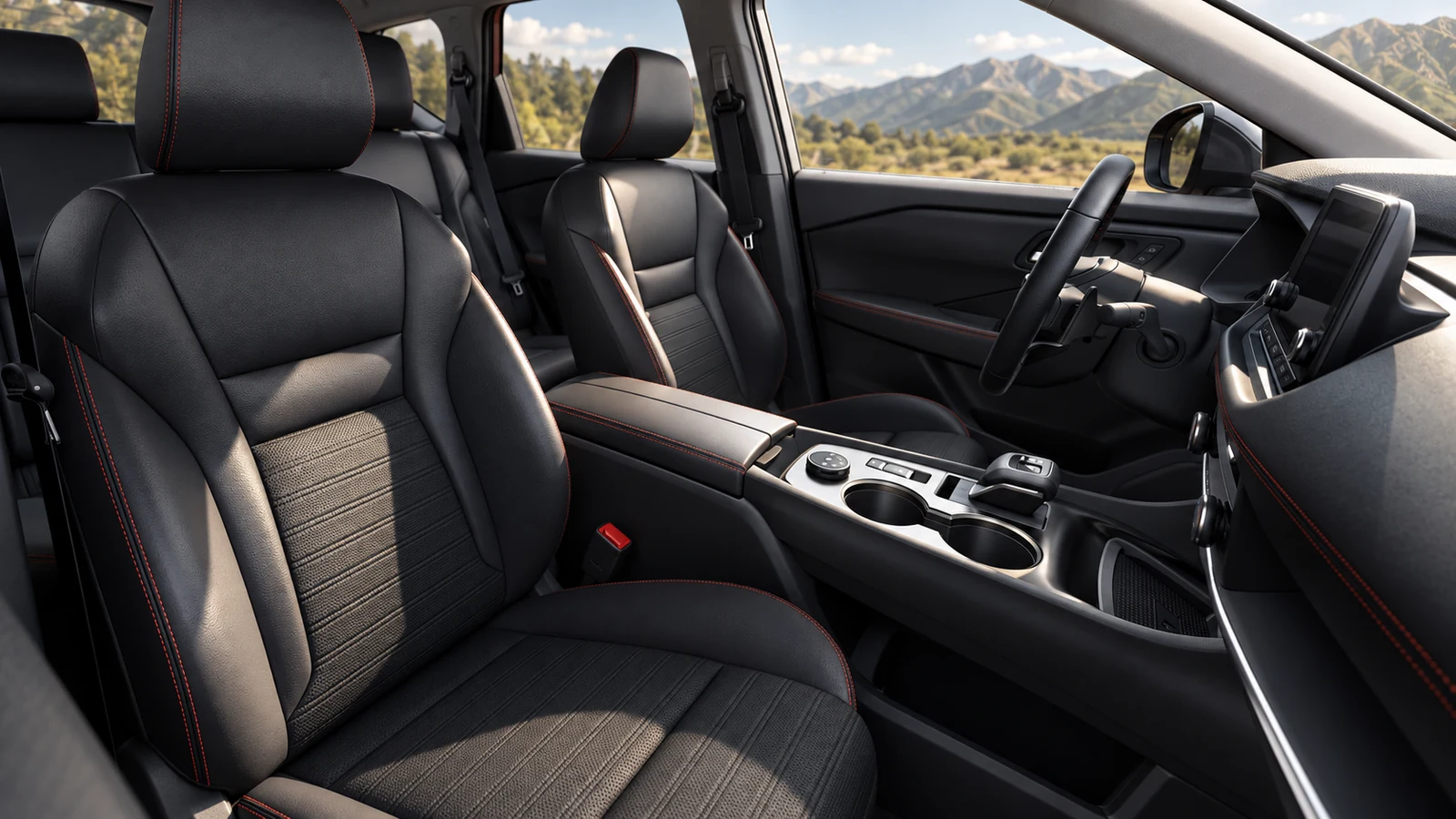
The Rogue publishes 41.5 inches of front legroom and 38.5 inches in the rear. Toyota publishes 41.0 inches of front legroom and 37.8 inches in the rear for the current RAV4 comparison configuration.
On paper, Nissan therefore has the larger legroom numbers in both rows. The front difference is only half an inch, but the rear difference is seven-tenths. Those figures are useful for shortlisting, especially when adults regularly sit in back.
Toyota publishes 37.7 inches of front headroom and 39.5 inches in the rear for the referenced 2026 configuration. Headroom can change with roof equipment, so a buyer near the limit should verify the exact trim rather than using one number for the entire lineup.
Real comfort still depends on seat shape, thigh support, steering-wheel reach and how far a tall driver needs to slide the seat rearward. Use the published measurements as a starting point, then perform a front-and-rear seating test with the driver's seat in the actual driving position.
AWD and rough-road configurations
Both SUVs offer all-wheel drive, but the trim stories differ. Toyota's hybrid RAV4 can be configured with electronic AWD, while the PHEV uses AWD as standard. The Woodland grade adds all-terrain-oriented equipment and a tow hitch receiver, positioning it as the more outdoors-focused regular-hybrid configuration.
Nissan offers Intelligent AWD on eligible Rogue grades and includes AWD on Rock Creek. Rock Creek also brings all-terrain-oriented equipment and Hill Descent Control.
Neither badge alone determines off-pavement suitability. Tire construction, ground clearance, approach angles and underbody protection all matter. For snow-heavy use, the tire fitted to the exact trim can matter as much as the AWD system itself.
Towing capacity
Toyota publishes a 3,500-pound maximum tow rating for specified AWD hybrid and plug-in-hybrid RAV4 grades. Lower-rated configurations, including selected FWD models and LE AWD, are listed at 1,750 pounds in the current research profile.
The Rogue is rated up to 1,500 pounds when properly equipped. That is enough for light utility and recreational trailers but below the RAV4's highest-capability configurations.
The key phrase is specified grades. A shopper should not apply the RAV4's 3,500-pound maximum to every 2026 RAV4. Likewise, the tow rating should be checked together with payload, tongue weight, passengers and cargo before choosing a trailer.
If towing above 1,500 pounds is a real requirement, the correctly configured RAV4 opens a use case the Rogue does not match on paper.
Safety context
The redesigned 2026 RAV4 includes Toyota Safety Sense 4.0 as standard, along with Blind Spot Monitor with Rear Cross-Traffic Alert. Because 2026 introduces a new RAV4 generation, SUVLook does not carry prior-generation IIHS crash results forward to this body unless current applicability is established.
The 2026 Rogue has current model-year IIHS data in the SUVLook profile. It earned an IIHS Top Safety Pick award and includes Nissan Safety Shield 360. The profile records Good ratings for the small-overlap front and updated side tests, while other test categories produce different results.
That difference in available crash-test data should not be confused with a blanket safety ranking. One vehicle is a newly redesigned generation awaiting a complete current test picture; the other has published 2026 results already available. Compare the current rating pages again when you are ready to buy.
Technology and cabin interface
Toyota's 2026 RAV4 uses a 10.5-inch Toyota Audio Multimedia display as standard, with a 12.9-inch screen available. A 12.3-inch digital gauge cluster is standard across the lineup, and wireless Apple CarPlay and Android Auto are supported. Toyota also introduces newer multimedia architecture and its Arene software platform with this generation.
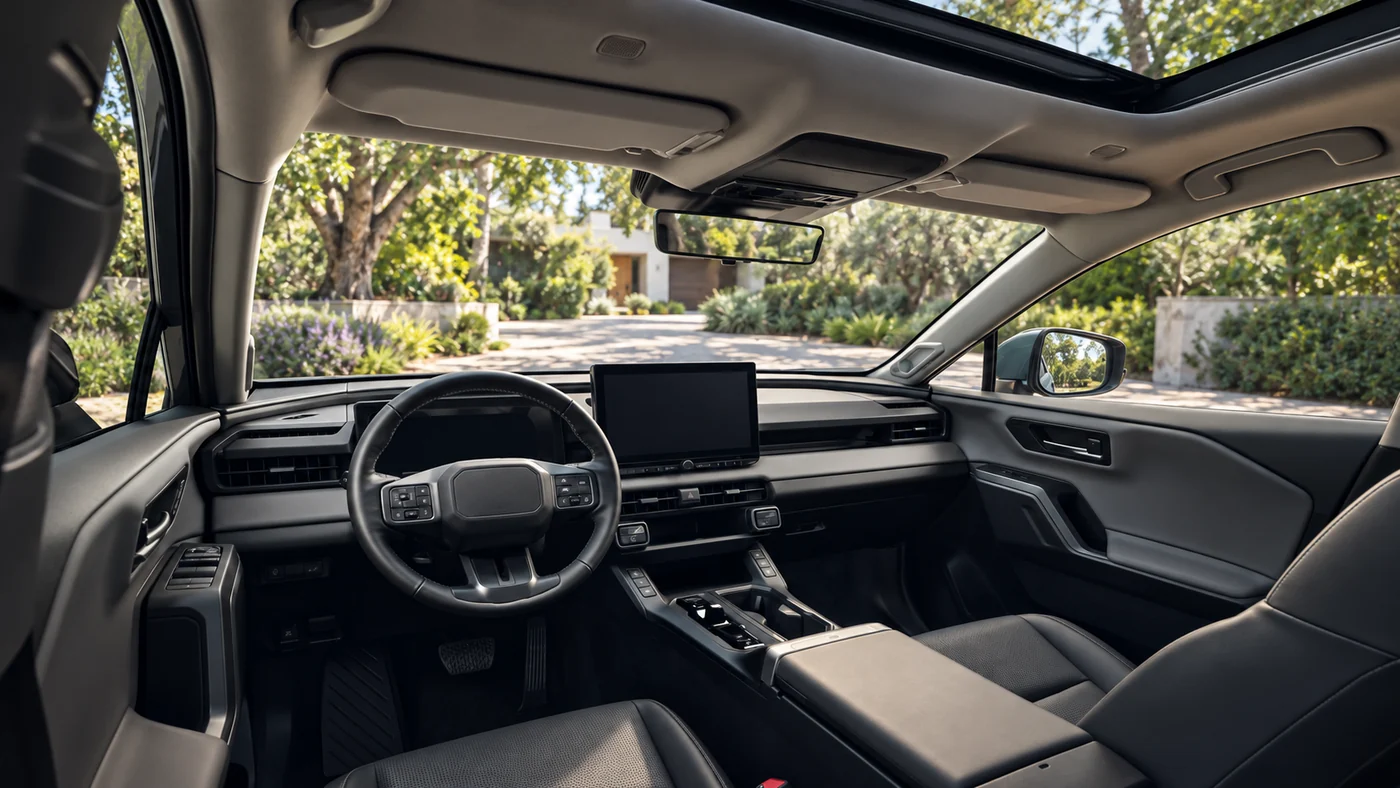
The Rogue uses an 8-inch NissanConnect display on lower grades, while a 12.3-inch system is available on upper trims. Wireless Apple CarPlay comes with the larger system, and higher trims can add expanded camera views and ProPILOT Assist.
These feature lists are useful, but daily usability should be tested. Connect your phone, change climate settings, try the camera views and see whether the menus are intuitive while parked. A larger display is not automatically a better interface.
Pricing and model-year shopping
The 2026 RAV4 range spans regular hybrid and plug-in-hybrid models, so prices rise substantially as powertrain and equipment change. The PHEV sits in a different budget tier from an entry hybrid and should be evaluated with expected electric driving and available charging in mind.
The Rogue needs an additional model-year caution. Nissan's live U.S. retail site has moved toward 2026.5 Rogue labeling. SUVLook therefore keeps the original 2026 profile separate and recommends using the Monroney label or VIN-specific dealer record for exact original MSRP and options on a leftover or used 2026.
When comparing transaction prices, make sure both vehicles are truly equivalent in drivetrain and equipment. A discounted gas Rogue AWD and a new RAV4 PHEV AWD are not substitutes merely because both are compact SUVs.
Which one fits which buyer?
The RAV4 is the stronger research match for buyers who prioritize hybrid fuel economy, available plug-in electric driving, a higher selected-grade tow rating or slightly more seats-up cargo volume. Its 2026 redesign also brings a newer technology platform and a fully electrified U.S. powertrain strategy.
The Rogue is compelling for shoppers who want a conventional gasoline engine, slightly more published legroom, more maximum folded cargo volume and useful linear cargo references. Rock Creek also offers a straightforward AWD-oriented trim with adventure-focused equipment.
Use the SUVLook comparison tool to see the two structured research profiles side by side.
What to check before buying
- Decide whether electrification is a benefit or a complication for your use. The RAV4 offers hybrid and PHEV choices; the Rogue profile is gasoline.
- Check towing by exact RAV4 grade. The 3,500-pound maximum does not apply to every configuration.
- Compare cargo with the rear seat in the position you actually use. The RAV4 leads seats-up volume, while the Rogue leads maximum folded volume.
- Verify the Rogue's exact model-year sticker. Do not mix original 2026 data with 2026.5 retail information.
- Measure rigid cargo. Neither cubic feet nor a maximum-width label guarantees that a fixed-size object will pass through the hatch.
Frequently asked questions
Which has more cargo space, the 2026 RAV4 or Rogue?
The RAV4 publishes 37.8 cubic feet behind the rear seat versus 36.5 cubic feet in a Rogue without the moonroof and 36.3 with it. With the rear seat folded, the Rogue publishes 74.1 cubic feet versus 69.8 cubic feet for the current RAV4 comparison configuration.
Which has more legroom?
The Rogue publishes 41.5 inches of front legroom and 38.5 inches in the rear. The RAV4 profile lists 41.0 inches front and 37.8 inches rear.
Does the 2026 RAV4 still offer a gas-only engine?
The U.S. 2026 RAV4 lineup in SUVLook's current research is electrified, with hybrid and plug-in-hybrid powertrains rather than a conventional gas-only version.
Which can tow more?
Selected AWD hybrid and plug-in-hybrid RAV4 grades are rated up to 3,500 pounds. The Rogue is rated up to 1,500 pounds when properly equipped.
Which one offers plug-in electric range?
The RAV4 PHEV does. Toyota publishes up to 52 miles of electric range for selected 2026 plug-in-hybrid configurations. The 2026 Rogue profile is gasoline only.
Research sources
- Toyota Newsroom, 2026 RAV4 launch and specifications: https://pressroom.toyota.com/the-next-adventure-begins-2026-rav4-arrives-this-winter/
- Toyota Newsroom, 2026 RAV4 pricing context: https://pressroom.toyota.com/all-new-2026-toyota-rav4-takes-center-stage-in-whats-your-rav4-campaign/
- Toyota, 2026 RAV4 brochure: https://www.toyota.com/content/dam/toyota/brochures/pdf/2026/2026_rav4_brochure_20260612_142557.pdf
- Nissan, 2026 Rogue brochure: https://www.nissanusa.com/content/dam/Nissan/us/vehicle-brochures/2026/2026-nissan-rogue-brochure-en.pdf
- IIHS, 2026 Nissan Rogue ratings: https://www.iihs.org/ratings/vehicle/nissan/rogue/2026