 Dimensions · Space · Buying guides
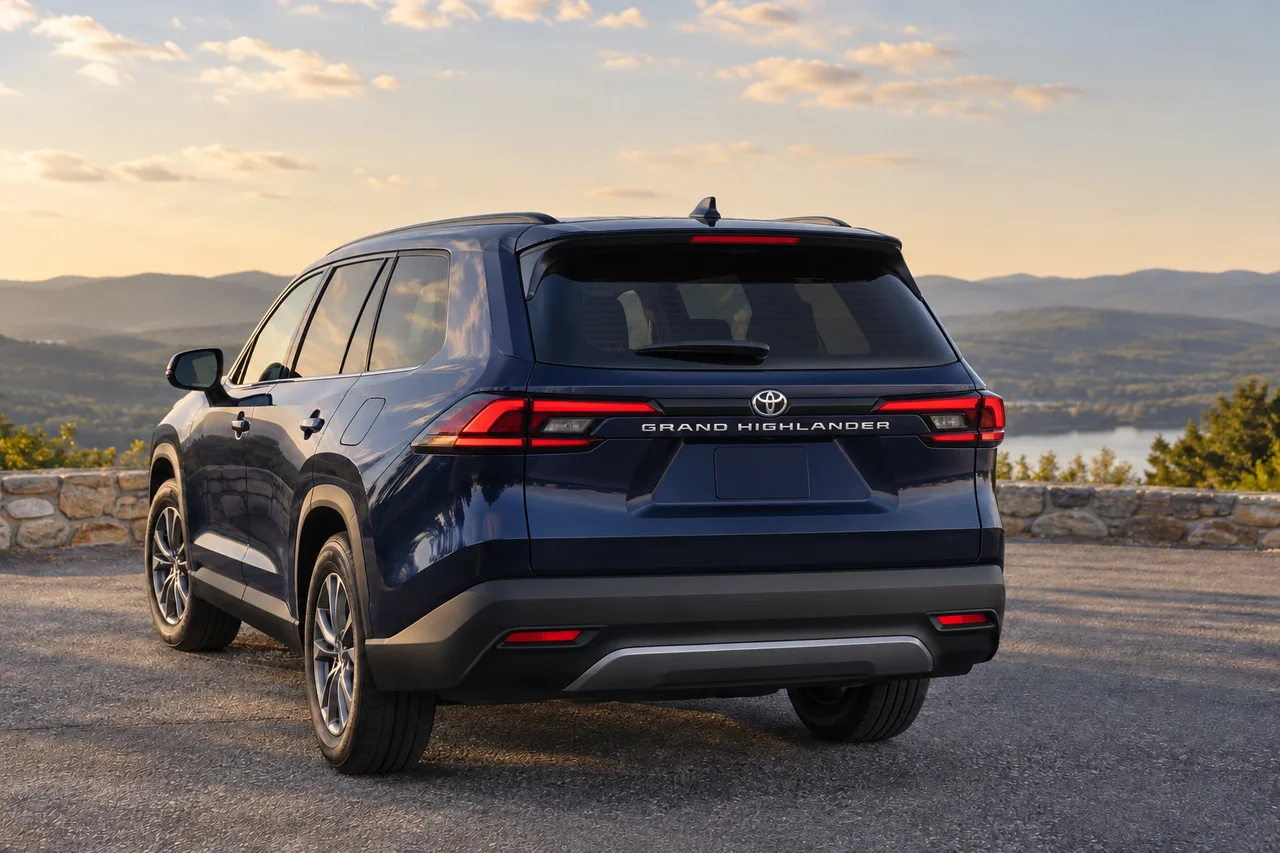 Vehicle A
2026 · Toyota · 3-row · Hybrid
Grand Highlander
- Starting price
- $42,260
- Length
- 201.4 in
- Seating
- Up to 8
- Max cargo
- 97.5 cu ft
- Max towing
- 5,000 lb
SUVLook comparison lab
Price, size, cabin, cargo, towing, safety and ownership side by side. Every value comes from the cited sources in each model-year profile, and gaps stay labeled instead of guessed.
Vehicle A
2026 · Toyota · 3-row · Hybrid
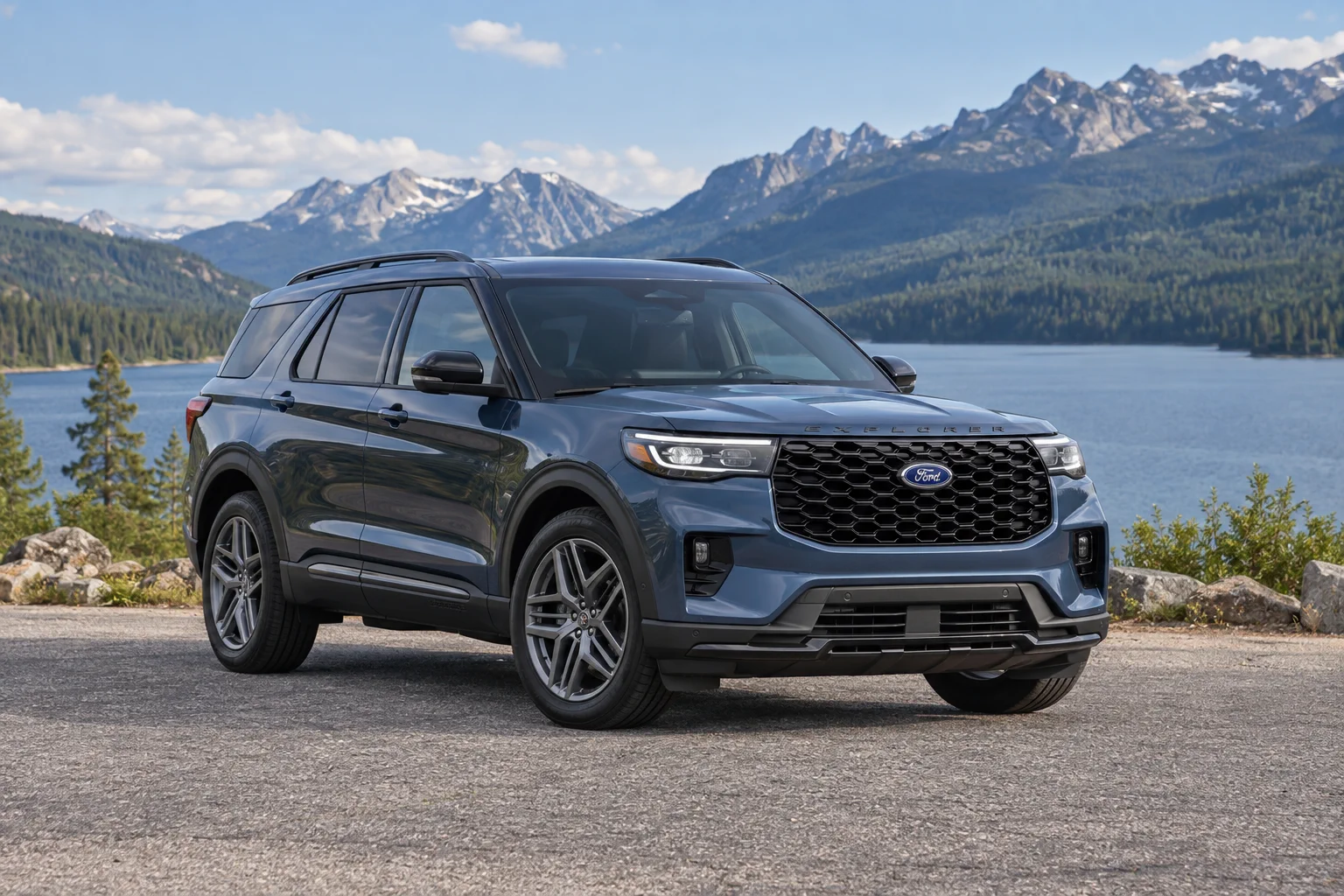 Vehicle B
2026 · Ford · 3-row
Key differences
No overall winner: each line is one source-backed figure. Decide which ones matter for how you will use the SUV.
Head-to-head
Bars share one scale starting at zero, so small real differences are not exaggerated. Where a profile lists several figures, the highest published one is used.
Decision snapshot
Each card compares one documented criterion. A lead is shown only when both source-backed values use a compatible measurement; otherwise the raw facts stay visible and the criterion stays unresolved.
2026 Ford Explorer has lower published starting MSRP by $3,795.
The current profiles do not provide two normalized values that can be compared safely.
2026 Toyota Grand Highlander has more published maximum cargo volume by 11.7 cu ft.
2026 Toyota Grand Highlander has more published rear/second-row legroom by 2.0 in.
The normalized published values are tied for this criterion.
The normalized published values are tied for this criterion.
At a glance
| Research field | A2026 Toyota Grand Highlander | B2026 Ford Explorer |
|---|---|---|
|
Starting MSRP
Different
|
$42,260Manufacturer-published U.S. specification | $38,4652026 base MSRP before destination and options; Ford U.S. |
|
Primary engine / system
Different
|
Gas, Hybrid, Hybrid MAXManufacturer-published U.S. specification | 2.3L EcoBoost four-cylinderManufacturer-published U.S. specification |
|
Primary output
Different
|
265 hpU.S. model-year specifications · Source | 300 hp2.3L EcoBoost · Source |
|
Drivetrain
Different
|
AvailablePowertrain/trim dependent | RWD; 4WD availableManufacturer-published U.S. specification |
|
Seating
Different
|
Up to 8Manufacturer-published U.S. specification | 6 or 7Manufacturer-published U.S. specification |
|
Cargo behind rear seat
Different
|
20.6 cu ftCargo behind row 3 with seats in place | 16.3 cu ftCargo behind row 3 with seats in place |
|
Maximum cargo
Different
|
97.5 cu ftManufacturer-published U.S. specification | 85.8 cu ftActive/ST-Line |
|
Maximum towing
|
5,000 lbGas and Hybrid MAX | 5,000 lbProperly equipped |
Price & trims
| Research field | A2026 Toyota Grand Highlander | B2026 Ford Explorer |
|---|---|---|
|
Starting MSRP
Different
|
$42,260Manufacturer-published U.S. specification | $38,4652026 base MSRP before destination and options; Ford U.S. |
|
Entry trim
Different
|
Gas lineup · From $42,260Three-row gas model | Active / ST-Line · 2026 trims2.3L EcoBoost |
|
Highest listed trim
Different
|
Gas lineup · From $42,260Three-row gas model | Pricing · Verify VIN/window stickerLive Ford pages move to newer model years |
|
Trim lineup
Different
|
Gas lineup · Hybrid · Hybrid MAX3 researched trims | Active / ST-Line · ST · Pricing3 researched trims |
Performance
| Research field | A2026 Toyota Grand Highlander | B2026 Ford Explorer |
|---|---|---|
|
Engine / primary system
Different
|
Gas, Hybrid, Hybrid MAXManufacturer-published U.S. specification | 2.3L EcoBoost four-cylinderManufacturer-published U.S. specification |
|
Primary output
Different
|
265 hpU.S. model-year specifications · Source | 300 hp2.3L EcoBoost · Source |
|
Hybrid output
|
245 hp / 362 hpHybrid / Hybrid MAX · Source | No conventional hybridModel-year powertrain lineup · Source |
|
High-output / turbo engine
Different
|
2.4L turbo Hybrid MAXToyota 2026 U.S. Hybrid MAX · Source | 3.0L EcoBoost V6Manufacturer-published U.S. specification |
|
High-output / turbo power
Different
|
362 hp net combinedToyota 2026 U.S. Hybrid MAX · Source | 385 hp3.0L EcoBoost V6 in ST · Source |
|
Torque
Data gap
|
310 lb-ftGas 2.4L turbo · Source | UnverifiedNo source-backed value verified yet |
|
Transmission
Different
|
8-speed automaticGas; hybrid uses eCVT and Hybrid MAX uses 6-speed automatic · Source | 10-speed automaticU.S. model-year specifications · Source |
|
Drivetrain
Different
|
AvailablePowertrain/trim dependent | RWD; 4WD availableManufacturer-published U.S. specification |
|
All-wheel drive
Different
|
AvailablePowertrain/trim dependent | RWD; 4WD availableManufacturer-published U.S. specification |
Fuel & efficiency
| Research field | A2026 Toyota Grand Highlander | B2026 Ford Explorer |
|---|---|---|
|
Fuel type
|
Regular GasolineFuel types in the EPA certification records · Source | Regular GasolineFuel types in the EPA certification records · Source |
|
Gas / base fuel economy
Different
|
24 mpg combinedEPA combined; two-wheel-drive gasoline models · Source | 21–24 mpg combinedEPA combined; two-wheel-drive gasoline models · Source |
|
AWD / alternate fuel economy
Different
|
22–23 mpg combinedEPA combined; AWD or 4WD gasoline variants · Source | 19–23 mpg combinedEPA combined; AWD or 4WD gasoline variants · Source |
|
Hybrid fuel economy
|
27–36 mpg combinedEPA estimates vary by trim and drivetrain · Source | No conventional hybridModel-year powertrain lineup · Source |
|
Off-road trim fuel economy
Unpublished
|
No separate EPA figureThe model-year EPA data do not list a separate estimate for an off-road trim · Source | 19–21 mpg combinedEPA estimates vary by trim and drivetrain · Source |
|
Driving range
Unpublished
|
Range varies with fuel useA tank capacity matched to the EPA configuration is needed for an estimate | Range varies with fuel useA tank capacity matched to the EPA configuration is needed for an estimate |
|
Fuel tank
Data gap
|
UnverifiedNo source-backed value verified yet | 17.9–20.2 US galFord Pro 2026 U.S. guide; depends on trim · Source |
Size & footprint
| Research field | A2026 Toyota Grand Highlander | B2026 Ford Explorer |
|---|---|---|
|
Wheelbase
Different
|
116.1 inU.S. 2026 model-year specifications · Source | 119.1 inManufacturer-published U.S. specification |
|
Overall length
Different
|
201.4 inToyota U.S. trim specifications | 198.7 inManufacturer-published U.S. specification |
|
Overall width
Data gap
|
UnverifiedNo source-backed value verified yet | 78.9 inManufacturer-published U.S. specification |
|
Overall height
Data gap
|
UnverifiedNo source-backed value verified yet | 69.6 inST-Line |
|
Ground clearance
Data gap
|
UnverifiedNo source-backed value verified yet | 7.6–8.7 inFord Pro 2026 U.S. guide; depends on trim · Source |
|
Off-road ground clearance
Data gap
|
UnverifiedNo source-backed value verified yet | 8.7 in (Tremor)Ford Pro 2026 U.S. guide; depends on trim · Source |
Cabin
| Research field | A2026 Toyota Grand Highlander | B2026 Ford Explorer |
|---|---|---|
|
Seating
Different
|
Up to 8Manufacturer-published U.S. specification | 6 or 7Manufacturer-published U.S. specification |
|
Front legroom
Different
|
41.7 inToyota U.S. 2026 comparison specification · Source | 43.0 inManufacturer-published U.S. specification |
|
Rear legroom
Different
|
39.5 inToyota U.S. 2026 comparison specification · Source | 37.5 inManufacturer-published U.S. specification |
|
Third-row legroom
Different
|
33.5 inManufacturer-published U.S. specification | 31.8 inManufacturer-published U.S. specification |
|
Front headroom
Different
|
41.5 inToyota U.S. 2026 comparison specification · Source | 40.7 inFord Pro 2026 U.S. guide; depends on trim · Source |
|
Rear headroom
Different
|
40.2 inToyota U.S. 2026 comparison specification · Source | 40.5 inFord Pro 2026 U.S. guide; depends on trim · Source |
|
Front shoulder room
Different
|
60.2 inToyota U.S. 2026 comparison specification · Source | 62.1 inFord Pro 2026 U.S. guide; depends on trim · Source |
|
Rear shoulder room
Different
|
58.8 inToyota U.S. 2026 comparison specification · Source | 61.9 inFord Pro 2026 U.S. guide; depends on trim · Source |
|
Front hip room
Different
|
56.5 inToyota U.S. 2026 comparison specification · Source | 59.2 inFord Pro 2026 U.S. guide; depends on trim · Source |
|
Rear hip room
Different
|
57.0 inToyota U.S. 2026 comparison specification · Source | 59.1 inFord Pro 2026 U.S. guide; depends on trim · Source |
|
Passenger volume
Data gap
|
UnverifiedNo source-backed value verified yet | 143.8–150.3 cu ftFord Pro 2026 U.S. guide; depends on trim · Source |
Cargo
| Research field | A2026 Toyota Grand Highlander | B2026 Ford Explorer |
|---|---|---|
|
Cargo behind rear seat
Different
|
20.6 cu ftCargo behind row 3 with seats in place | 16.3 cu ftCargo behind row 3 with seats in place |
|
Maximum cargo volume
Different
|
97.5 cu ftManufacturer-published U.S. specification | 85.8 cu ftActive/ST-Line |
|
Width between wheel housings
Data gap
|
UnverifiedNo source-backed value verified yet | About 48 inReference only · SteadyHome Mobility, CC BY 4.0; tape measurement on one 2020+ Explorer · Source |
|
Hatch-opening width
Data gap
|
UnverifiedNo source-backed value verified yet | 47.6 inFord Pro 2026 U.S. guide; depends on trim · Source |
|
Hatch-opening height
Data gap
|
UnverifiedNo source-backed value verified yet | 31.5 inFord Pro 2026 U.S. guide; depends on trim · Source |
|
Rear seat
Data gap
|
UnverifiedNo source-backed value verified yet | Second-row bench or captain’s chairs; 50/50 split-fold third rowFord Pro 2026 U.S. guide; depends on trim · Source |
Utility
| Research field | A2026 Toyota Grand Highlander | B2026 Ford Explorer |
|---|---|---|
|
Maximum towing
|
5,000 lbGas and Hybrid MAX | 5,000 lbProperly equipped |
|
All-wheel drive
Different
|
AvailablePowertrain/trim dependent | RWD; 4WD availableManufacturer-published U.S. specification |
|
Cargo behind rear seat
Different
|
20.6 cu ftCargo behind row 3 with seats in place | 16.3 cu ftCargo behind row 3 with seats in place |
|
Maximum cargo
Different
|
97.5 cu ftManufacturer-published U.S. specification | 85.8 cu ftActive/ST-Line |
|
Rear seat
Data gap
|
UnverifiedNo source-backed value verified yet | Second-row bench or captain’s chairs; 50/50 split-fold third rowFord Pro 2026 U.S. guide; depends on trim · Source |
|
Cargo width
Data gap
|
UnverifiedNo source-backed value verified yet | About 48 in between wheel housingsReference only · SteadyHome Mobility, CC BY 4.0; tape measurement on one 2020+ Explorer · Source |
Safety
| Research field | A2026 Toyota Grand Highlander | B2026 Ford Explorer |
|---|---|---|
|
IIHS small overlap front
Different
|
AcceptableSee IIHS model-year results for tested configuration and applicability · Source | GoodSee IIHS model-year results for tested configuration and applicability · Source |
|
IIHS updated moderate overlap front
|
GoodSee IIHS model-year results for tested configuration and applicability · Source | GoodSee IIHS model-year results for tested configuration and applicability · Source |
|
IIHS updated side
|
GoodSee IIHS model-year results for tested configuration and applicability · Source | GoodSee IIHS model-year results for tested configuration and applicability · Source |
|
IIHS headlights
Different
|
AcceptableSee IIHS model-year results for tested configuration and applicability · Source | GoodSee IIHS model-year results for tested configuration and applicability · Source |
|
IIHS pedestrian front crash prevention
|
GoodFor the evaluated system; see IIHS model-year results · Source | GoodFor the evaluated system; see IIHS model-year results · Source |
|
IIHS whiplash prevention
Unpublished
|
No rating listedThe IIHS model-year overview does not list this test · Source | No rating listedThe IIHS model-year overview does not list this test · Source |
|
IIHS vehicle-to-vehicle front crash prevention 2.0
Unpublished
|
GoodFor the evaluated system; see IIHS model-year results · Source | No rating listedThe IIHS model-year overview does not list this test · Source |
|
Safety-system context
|
Driver-assistance equipment is kept separate from crash ratings. Check the exact 2026 model on IIHS and NHTSA before relying on a rating or award.Model-year safety overview | Driver-assistance equipment is kept separate from crash ratings. Check the exact 2026 model on IIHS and NHTSA before relying on a rating or award.Model-year safety overview |
Ownership
| Research field | A2026 Toyota Grand Highlander | B2026 Ford Explorer |
|---|---|---|
|
New-vehicle / basic warranty
|
3 years / 36,000 milesU.S. basic warranty; time or mileage, whichever comes first · Source | 3 years / 36,000 milesU.S. basic warranty; time or mileage, whichever comes first · Source |
|
Powertrain warranty
|
5 years / 60,000 milesU.S. powertrain warranty; time or mileage, whichever comes first · Source | 5 years / 60,000 milesU.S. powertrain warranty; time or mileage, whichever comes first · Source |
|
Hybrid coverage
|
8 years / 100,000 milesCovered hybrid components; hybrid models only · Source | No conventional hybridModel-year powertrain lineup · Source |
|
Hybrid battery
|
10 years / 150,000 milesHigh-voltage hybrid battery; hybrid models only · Source | No conventional hybridModel-year powertrain lineup · Source |
|
Roadside assistance
Different
|
2 years / unlimited milesU.S. roadside assistance; see terms and eligibility · Source | 5 years / 60,000 milesU.S. roadside assistance; see terms and eligibility · Source |
|
Service planning
Different
|
2 years / 25,000 miles of scheduled maintenanceToyotaCare for 2026 models · Source | Follow the 2026 owner manualIntervals depend on powertrain and operating conditions |
Safety systems
Driver-assistance equipment is kept separate from crash ratings. Check the exact 2026 model on IIHS and NHTSA before relying on a rating or award.
Driver-assistance equipment is kept separate from crash ratings. Check the exact 2026 model on IIHS and NHTSA before relying on a rating or award.
Cabin technology
Evidence ledger
10 research sources attached to this model-year profile. Row notes in the tables above keep the evidence context for each value.
9 research sources attached to this model-year profile. Row notes in the tables above keep the evidence context for each value.
Buying context
Use the exact trim, drivetrain, roof equipment and powertrain when a number is configuration-sensitive. Cargo volume does not prove that a rigid item fits through the hatch; measure the exact vehicle for close-fit use cases.
Use the exact trim, drivetrain, roof equipment and powertrain when a number is configuration-sensitive. Cargo volume does not prove that a rigid item fits through the hatch; measure the exact vehicle for close-fit use cases.
Keep comparing
The closest researched rivals to each SUV by size and price.
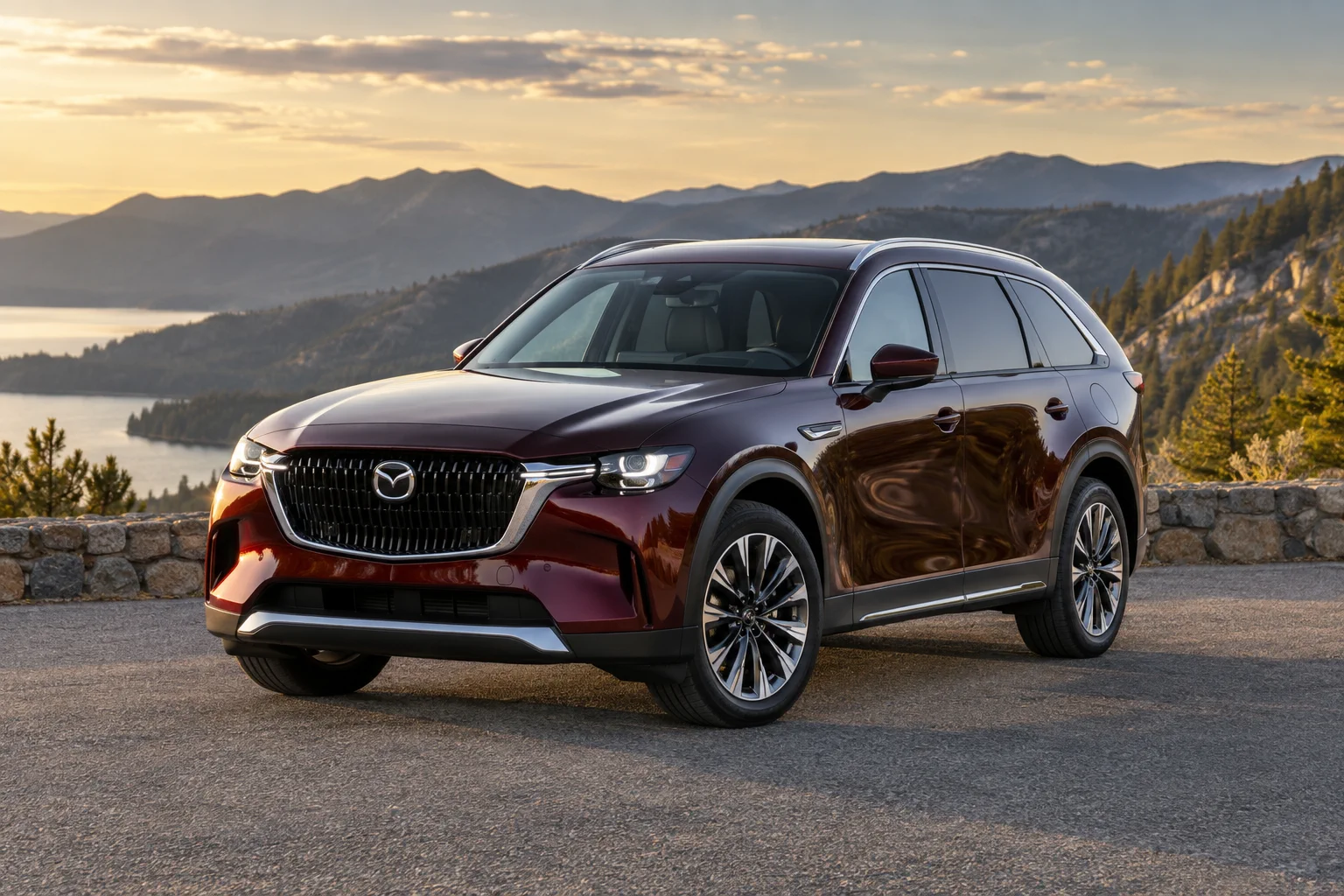 VSToyota Grand Highlander vs Mazda CX-902026 · 2026 model years
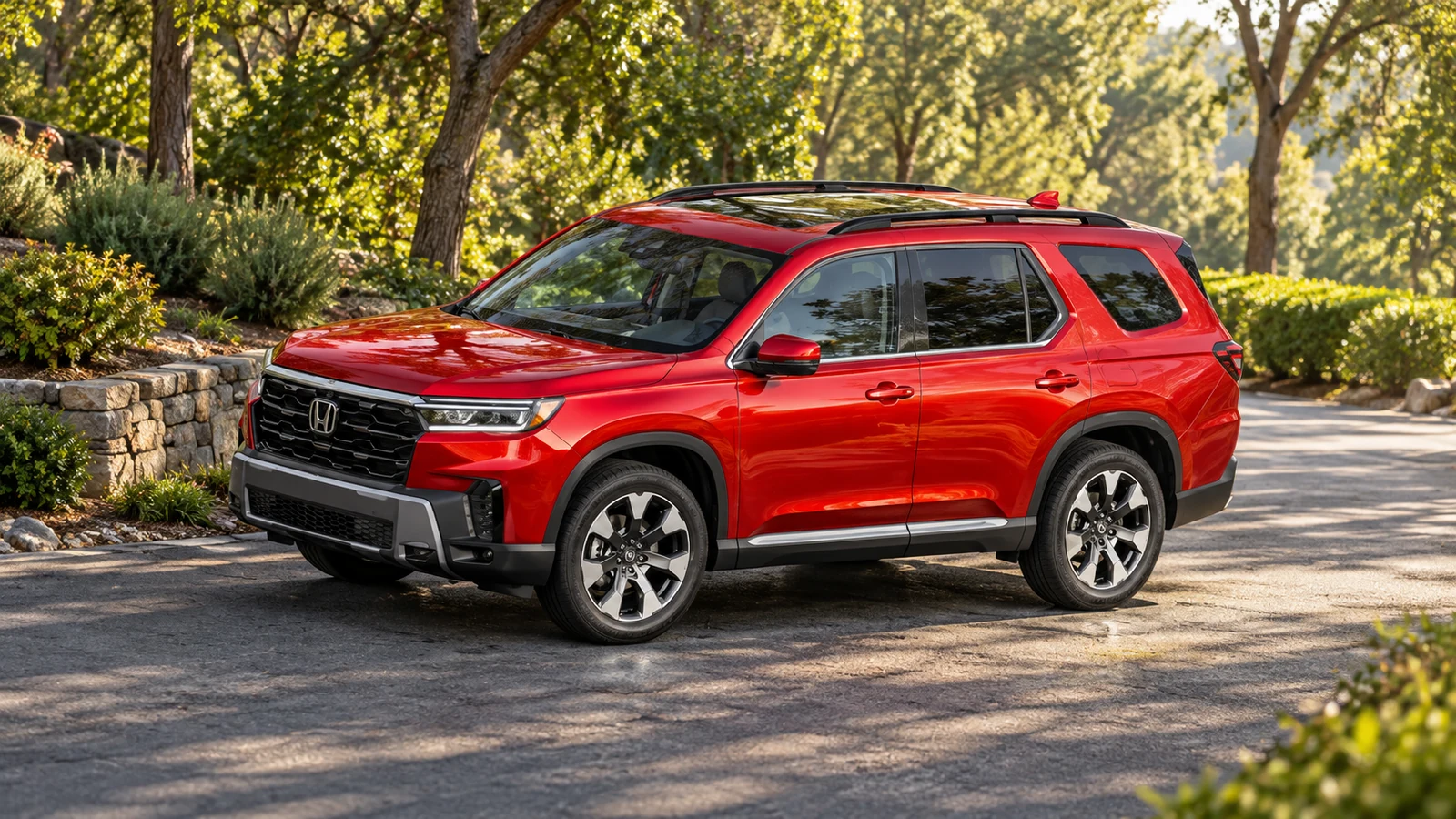 VSToyota Grand Highlander vs Honda Pilot2026 · 2026 model years
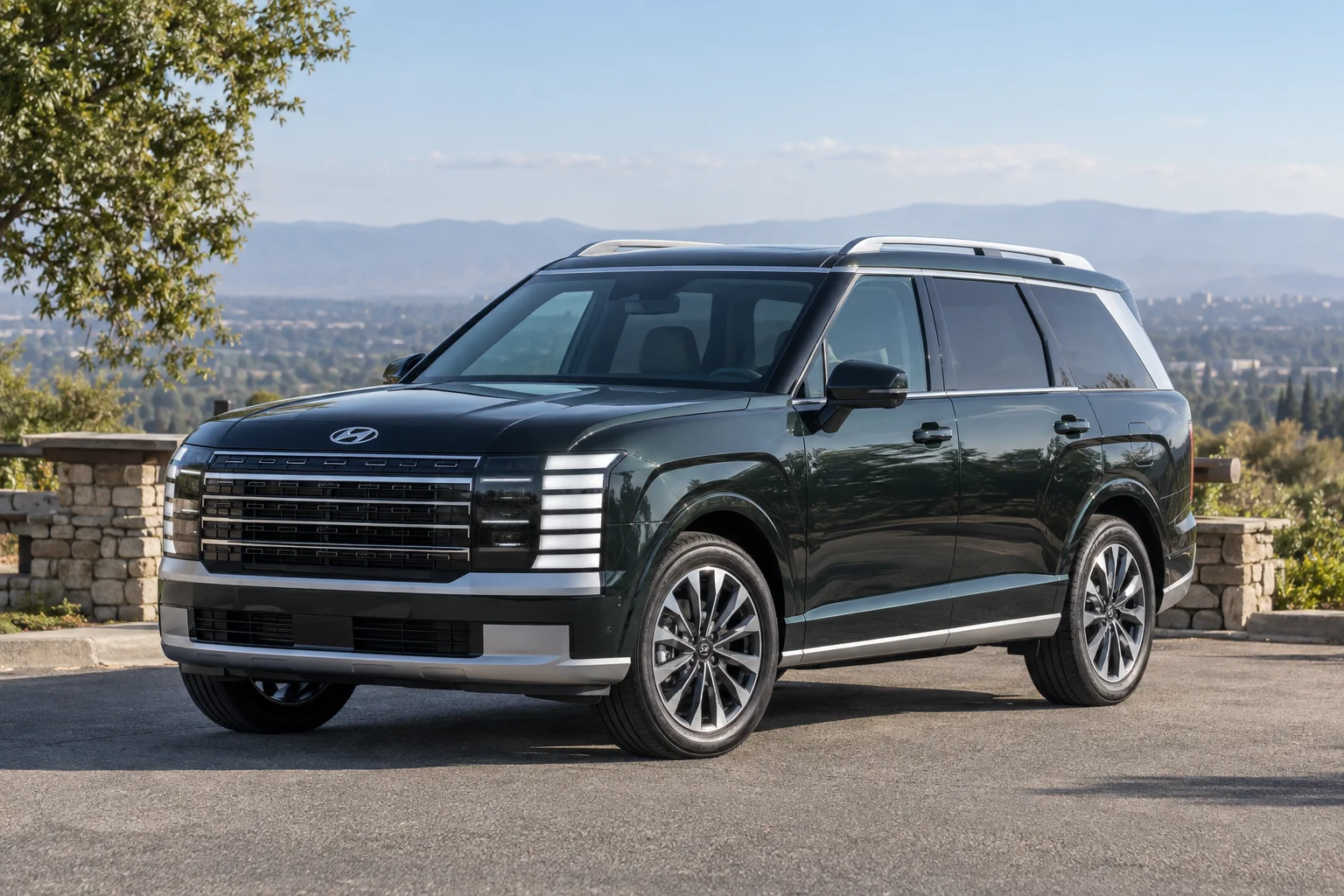 VSToyota Grand Highlander vs Hyundai Palisade2026 · 2026 model yearsVSFord Explorer vs Hyundai Palisade2026 · 2026 model yearsVSFord Explorer vs Honda Pilot2026 · 2026 model yearsVSFord Explorer vs Mazda CX-902026 · 2026 model years
Popular comparisons
Well-known rivalries with full side-by-side research, each built from the cited sources in both SUVs' profiles.