Dimensions · Space · Buying guides
For U.S. models — specifications checked September 11, 2026
Tall drivers usually discover the same problem within a minute of sitting in a small SUV: one model has enough knee room but puts the headliner too close to your hair, while another has a high roof but forces your knees up around the steering wheel. The best choices give you both kinds of space at the same time.
On the published numbers, the 2026 Subaru Forester is the small SUV I would put at the top of the test-drive list. It offers up to 41.2 inches of front headroom and 43.3 inches of front legroom, a combination few compact SUVs match. The Ford Bronco Sport gives a tall torso even more room above the seat when ordered without a moonroof, while the Hyundai Tucson and Kia Sportage make a stronger case when another tall adult regularly rides behind the driver.
Don't choose by the biggest number alone. A moonroof can take away headroom, a high seat cushion can change your knee angle, and a steering wheel that won't reach far enough can spoil an otherwise roomy cabin. Two people who are both 6'4" may need different cars: one has longer legs, the other a taller torso. The published U.S. measurements help narrow your list; sitting in the exact trim tells you whether it works for you.
Best small SUVs for tall drivers: quick comparison
This is the quickest way to see why the rankings fall where they do. I have used the largest published front-headroom figure where trims differ, then called out the lower moonroof figure when the change is large enough to matter.
| 2026 small SUV | Front headroom | Front legroom | Rear legroom | Best fit for |
|---|---|---|---|---|
| Subaru Forester | Up to 41.2 in | 43.3 in | 39.4 in | Best all-around tall-driver fit |
| Ford Bronco Sport | 41.5 in without moonroof; 39.1 in with moonroof | 42.4 in | 36.9 in | Tall torso, upright seating |
| Hyundai Tucson | Up to 40.1 in; 38.1–38.3 in on some upper trims | 41.4 in | 41.3 in | Tall driver plus tall rear passenger |
| Kia Sportage | 39.6 in without sunroof; 37.8 in with sunroof | 41.4 in | 41.3 in | Rear-seat space and cargo practicality |
| Honda CR-V | 40.0 in LX; 38.2 in other 2026 trims | 41.3 in | 41.0 in | Wide front cabin and family use |
| Mazda CX-50 | 39.1 in without moonroof; 38.6 in with moonroof | 41.7 in | 39.8 in | Long legs, lower seating feel |
| Subaru Crosstrek | Up to 39.8 in; 38.7 in with moonroof on applicable trims | 42.9 in | 36.5–36.7 in | Small exterior footprint with good front legroom |
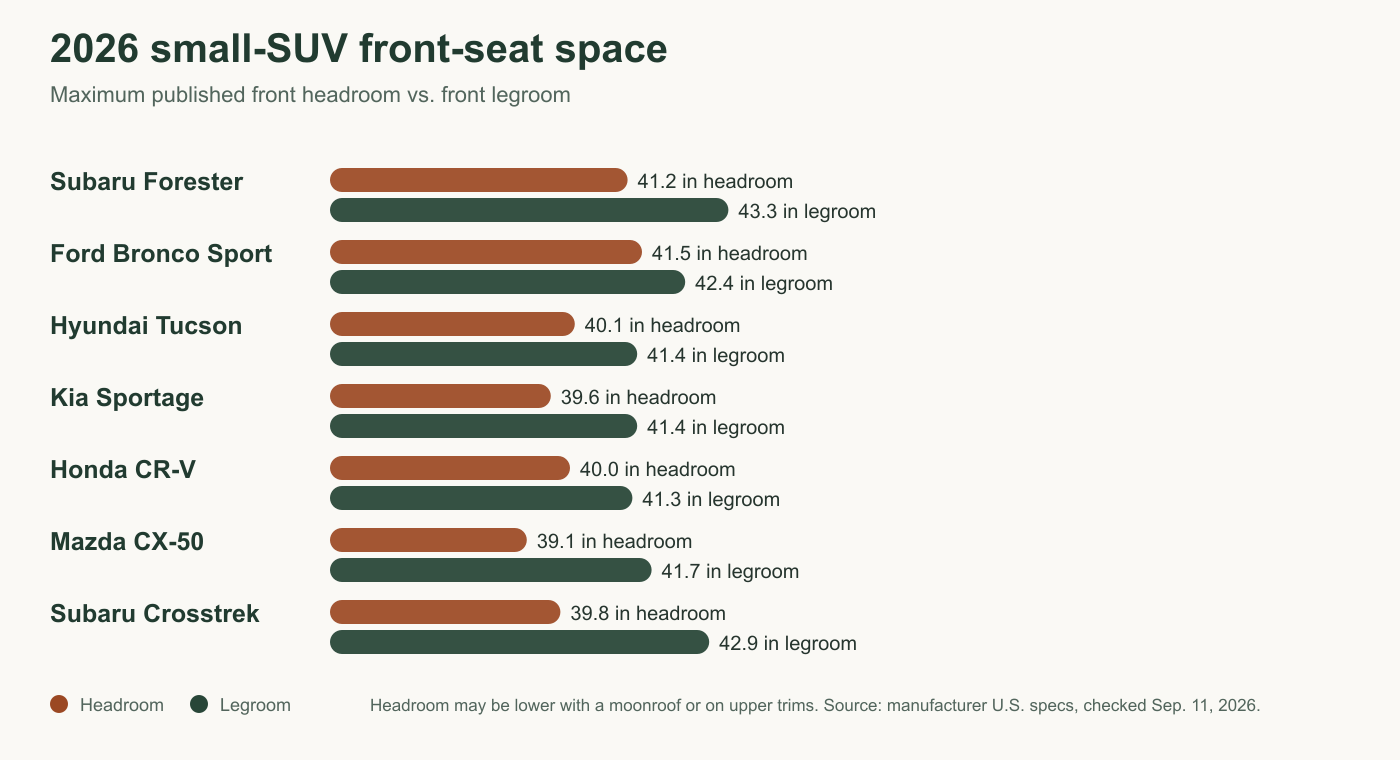
Manufacturer-published U.S. dimensions. Headroom can change by trim and roof configuration, so use the exact trim column in the source before buying.
The Bronco Sport technically wins the maximum-headroom column, but that is only part of the story. The Forester gives away three-tenths of an inch up top and gives you more front legroom plus a far more usable back seat. For most tall shoppers, that balance is more useful than winning one measurement by a fraction of an inch.
1. Subaru Forester — best overall small SUV for tall drivers
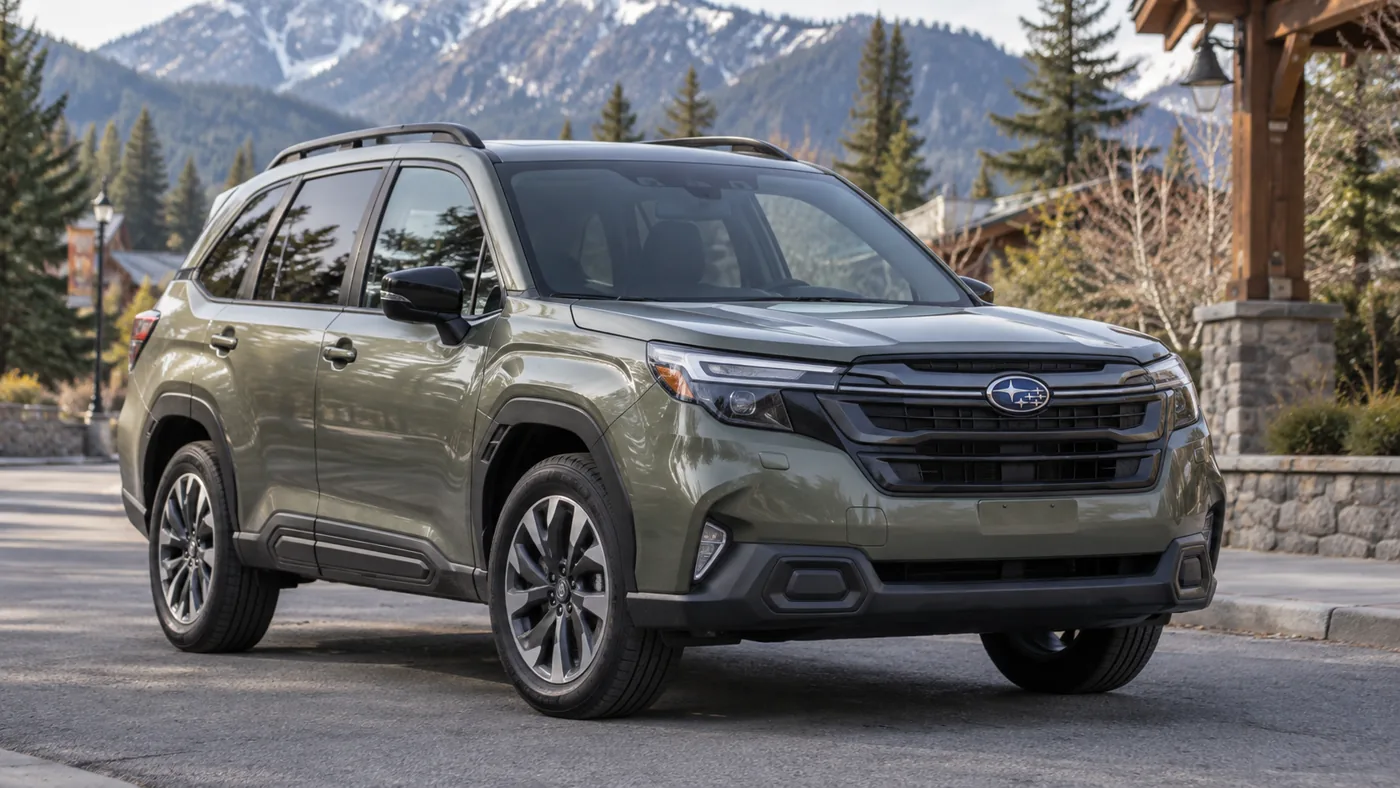
The 2026 Subaru Forester is the most convincing all-rounder here. Subaru publishes 43.3 inches of front legroom, and the roomiest configuration gives you 41.2 inches of front headroom. Many other trims list 40.0 inches, so the roof and equipment package still matter, but the basic cabin proportions are unusually friendly to long legs and a tall torso at the same time.
What makes the Forester especially useful is what happens after you move the driver's seat back. There is still 39.4 inches of rear legroom on the spec sheet, so you are less likely to solve your own fit by making the seat behind you unusable. That matters if you carry older kids, coworkers or another tall adult.
It is also one of the better shapes to try if you dislike feeling buried inside a crossover. The roof is tall, the cabin is relatively upright, and the glass area is generous. Those are qualitative impressions rather than measured advantages, so I would still judge the exact seat and trim in person. But if you only have time to visit one showroom first, the Forester is the sensible place to begin.
Trim tip: if head clearance is close, compare a version without the moonroof before deciding the Forester is too tight. The difference is large enough to change the answer for some drivers.
For a larger Subaru alternative, our Subaru Outback interior dimensions guide breaks down headroom, legroom and passenger volume by model year.
2. Ford Bronco Sport — most front headroom without a moonroof
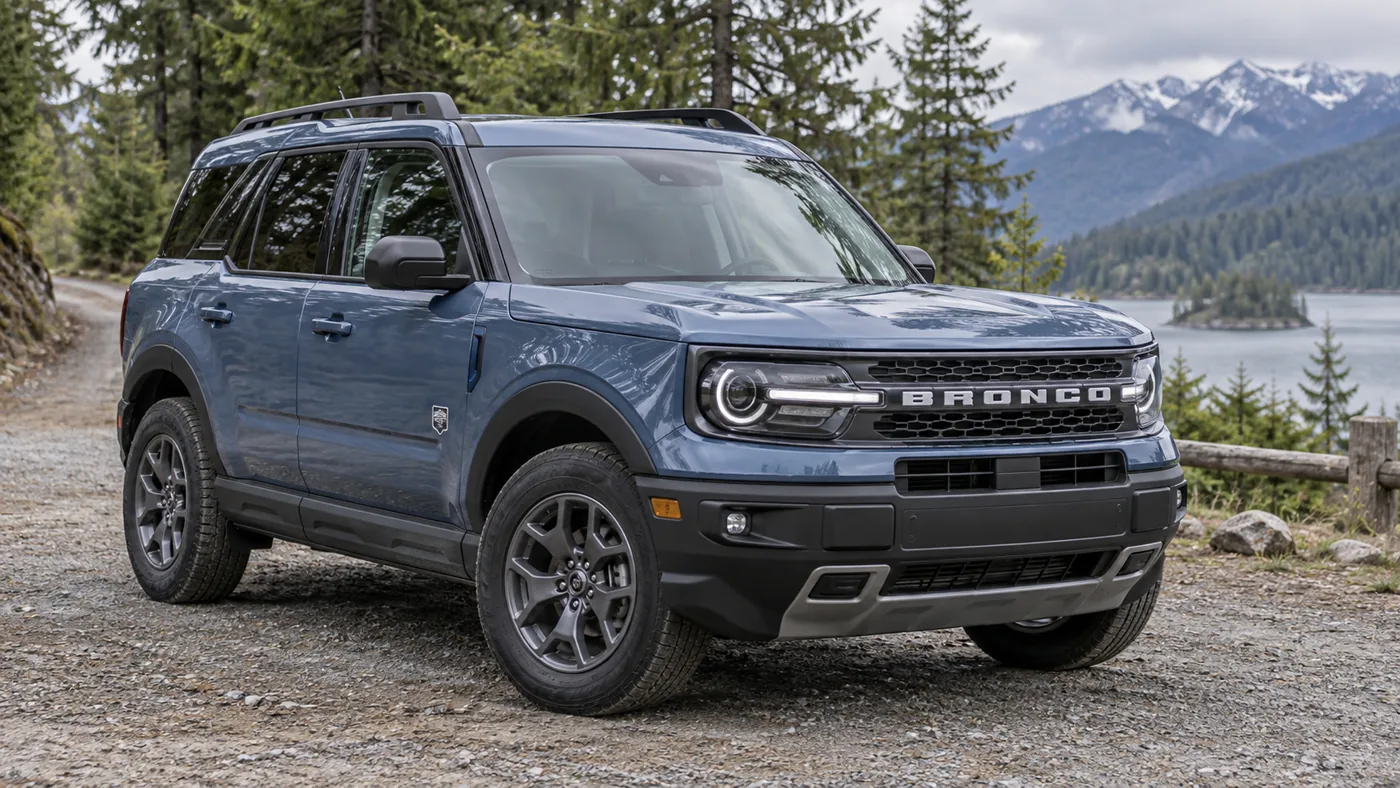
If your height is mostly in your torso, the 2026 Ford Bronco Sport deserves special attention. Without the moonroof, Ford lists 41.5 inches of front headroom and 42.4 inches of maximum front legroom. That gives the driver a genuinely generous box to work with.
The catch is easy to miss when you are shopping online: add the moonroof and Ford's published front-headroom figure falls to 39.1 inches. A 2.4-inch swing is enormous in this context. Two Bronco Sports with different roofs can feel like different vehicles to someone whose hair is already brushing the headliner.
The second row is the bigger compromise. Ford lists 36.9 inches of rear legroom, well short of the Tucson, Sportage, CR-V and Forester. I would put the Bronco Sport high on the list for a tall driver who mostly uses the front seats, and lower for a family that regularly carries tall passengers in both rows.
3. Hyundai Tucson — best when tall adults use both rows
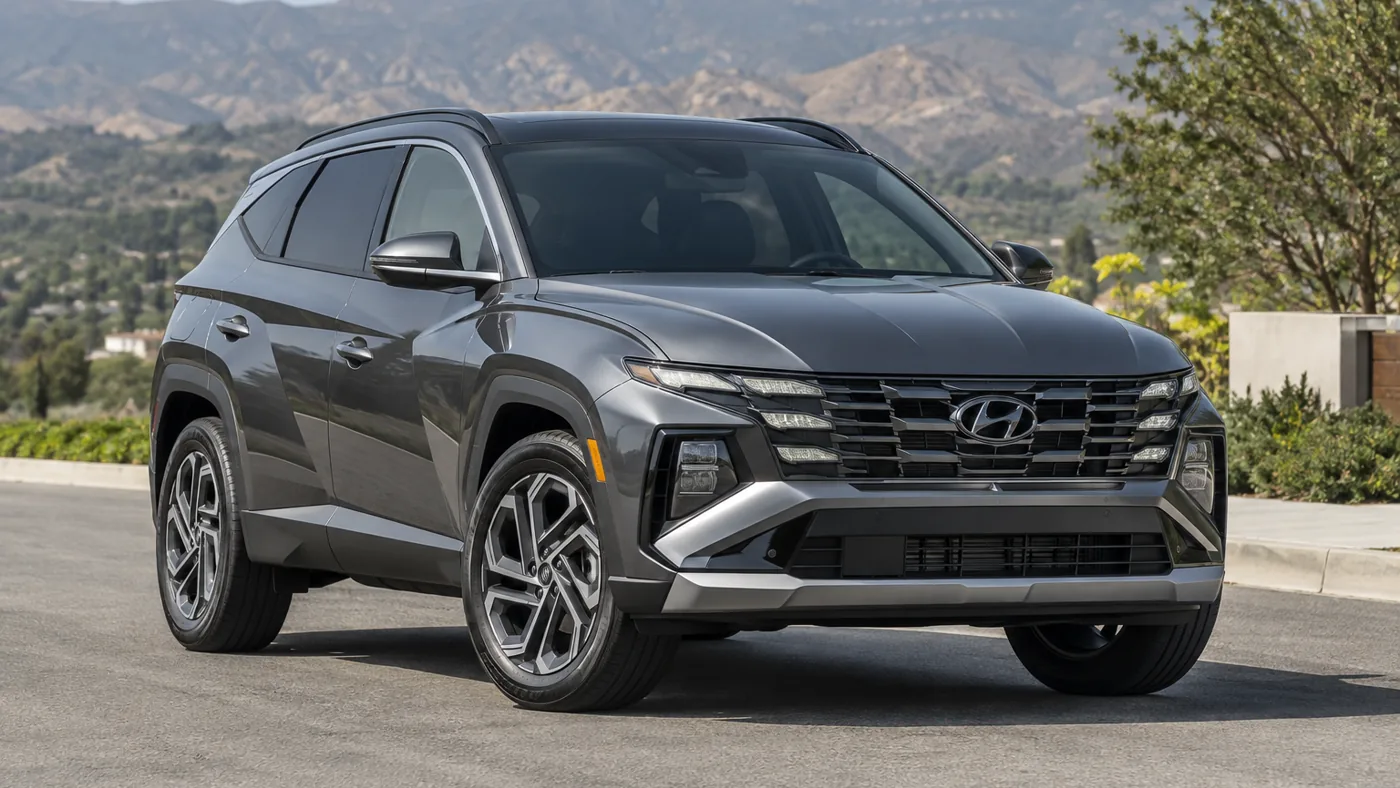
The 2026 Hyundai Tucson is the one I would look at first when the driver is tall and the person behind the driver is tall too. Hyundai gives the front seat 41.4 inches of legroom and the rear seat 41.3 inches. That almost even split is more useful for a four-adult household than a huge front measurement paired with a cramped second row.
Headroom needs more care. Several trims reach 40.1 inches in front, while some upper trims fall to 38.3 or 38.1 inches. So a Tucson can move from roomy to marginal for a long-torso driver simply by changing trim.
When you test one, set the driver's seat exactly where you would use it every day and leave it there. Then sit behind yourself. That one check tells you more about whether the Tucson works for your household than an isolated rear-legroom number.
4. Kia Sportage — excellent rear legroom, but check the sunroof
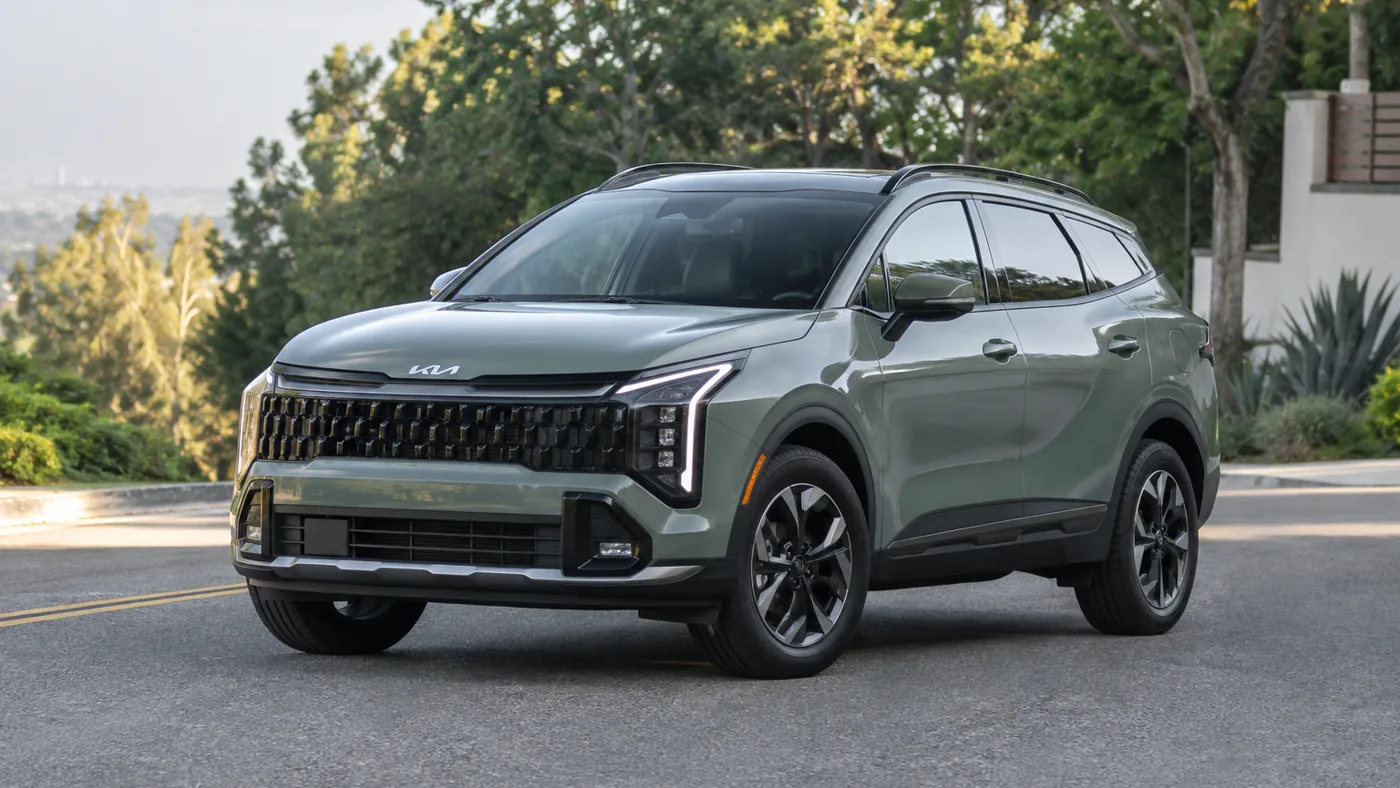
The 2026 Kia Sportage has the same headline legroom numbers as the Tucson: 41.4 inches in front and 41.3 inches in the rear. That makes it another easy recommendation for households where adult space matters in both rows.
Its weakness is above the driver's head. Kia lists 39.6 inches of front headroom without the sunroof and 37.8 inches with it on applicable trims. A 1.8-inch difference is enough to turn a comfortable seating position into a compromise for someone with a long torso.
For that reason, I like the Sportage more for a long-legged driver than a tall-torso driver. If the loaded showroom model feels tight, try a no-sunroof version before crossing the Sportage off your list.
5. Honda CR-V — roomy family choice, especially in LX trim
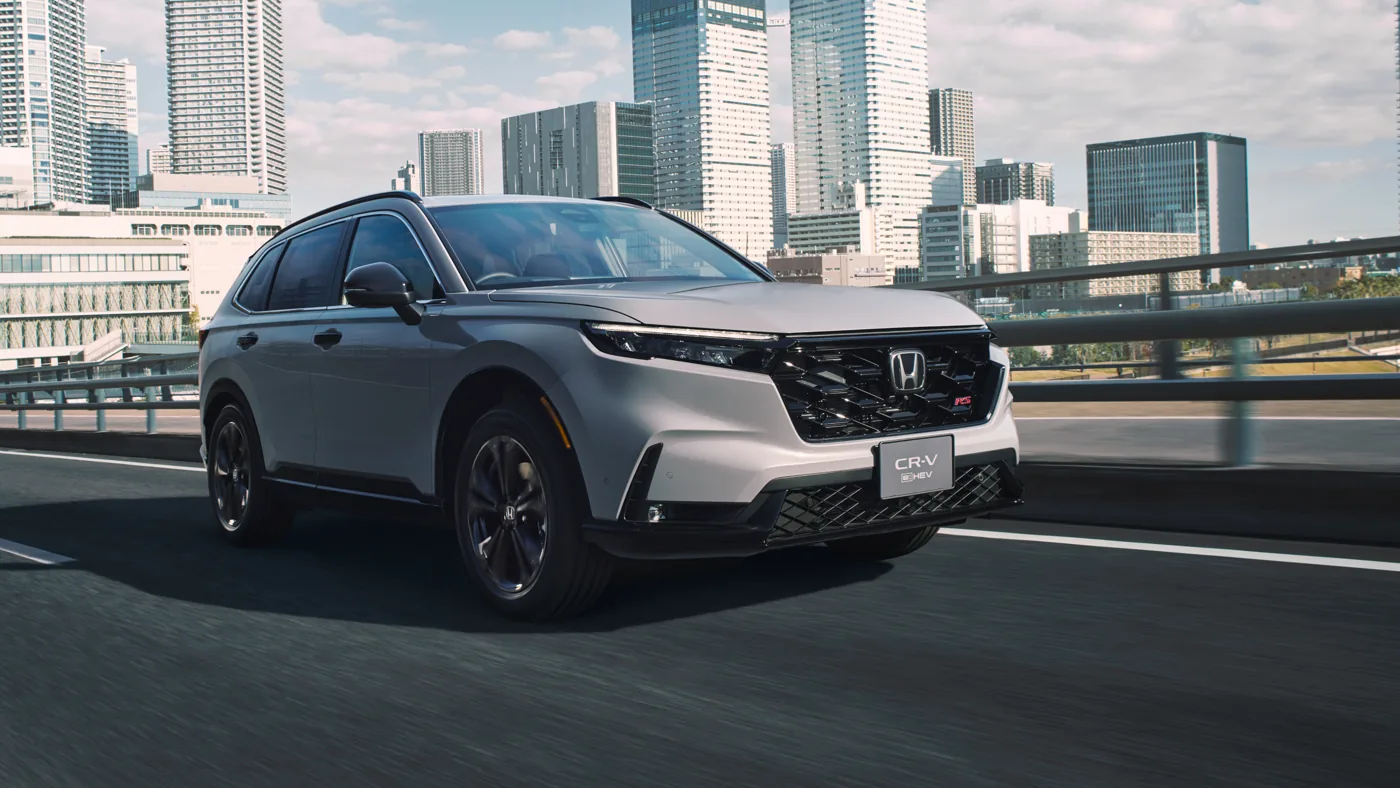
The 2026 Honda CR-V does not top any single tall-driver column, yet it is one of the easiest vehicles here to recommend as a family compromise. Honda lists 41.3 inches of front legroom, 41.0 inches in the second row, and 57.9 inches of front shoulder room. Nothing is extreme; very little looks tight.
There is also an unusual advantage to the cheapest trim. The LX lists 40.0 inches of front headroom, while the EX, hybrid and other moonroof-equipped 2026 trims list 38.2 inches. For a tall buyer, spending more can literally buy less space above your head. If you are close to the roof in an EX or hybrid, sit in an LX before deciding the CR-V does not fit.
If you are also comparing luggage space, our Honda CR-V cargo length and width guide covers the cargo area by model year. Passenger-room and cargo measurements answer different questions, so keeping them separate makes the comparison more useful.
6. Mazda CX-50 — good for long legs, less ideal for tall torsos
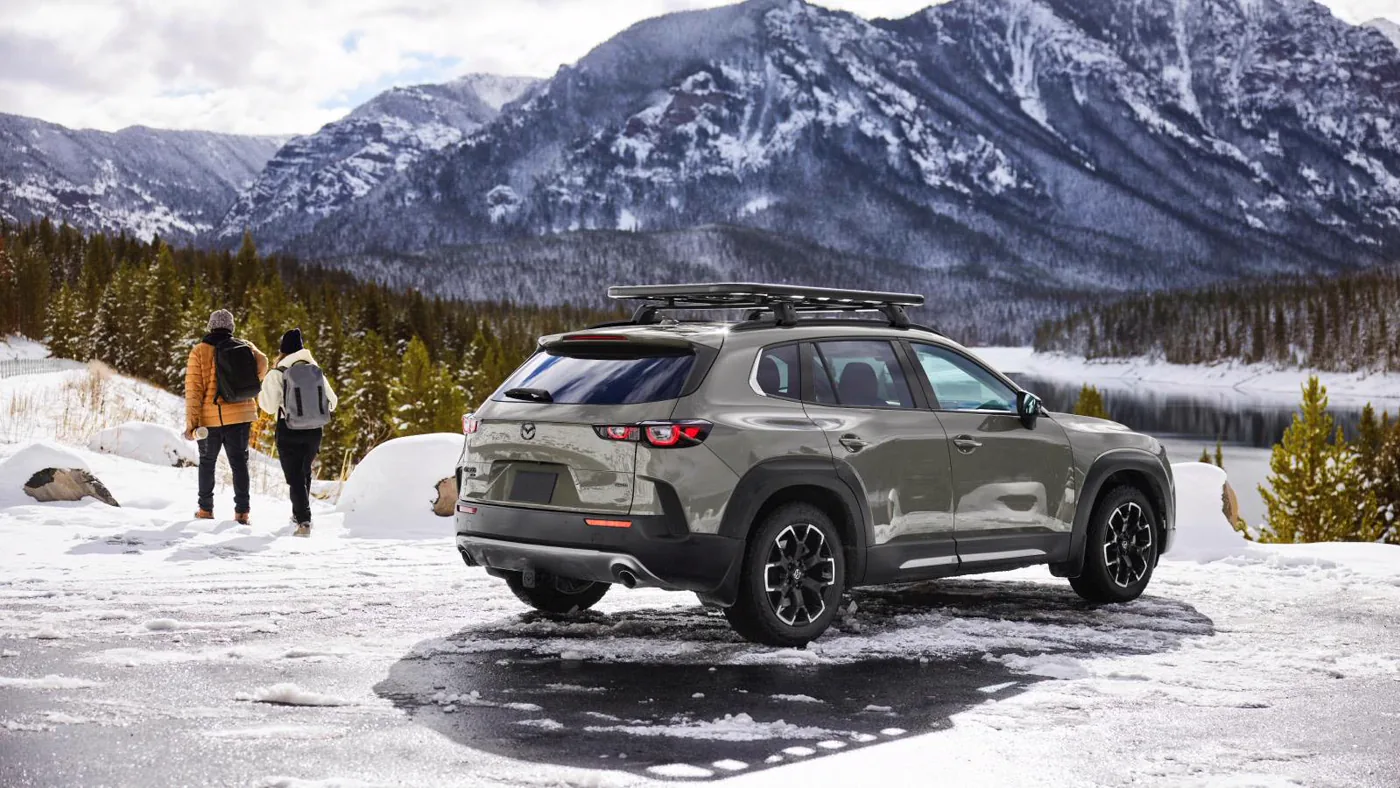
The 2026 Mazda CX-50 makes more sense for a long-legged driver than the headroom figure first suggests. Mazda lists 41.7 inches of front legroom, which beats the Tucson, Sportage and CR-V. Front headroom is less generous at 39.1 inches without the moonroof and 38.6 inches with it.
That split tells you who should put the CX-50 on the shortlist. If your knees are usually the problem, it has a strong case. If your hair is already touching headliners in other compact SUVs, there are better first stops. The seating position also feels more car-like than the Forester or Bronco Sport, which some tall drivers prefer and others immediately reject.
This is a good example of why I would never buy from the dimensional table alone. The numbers can tell you that the CX-50 is worth trying; your torso length and preferred seatback angle decide whether it actually works.
7. Subaru Crosstrek — smallest footprint with strong front legroom
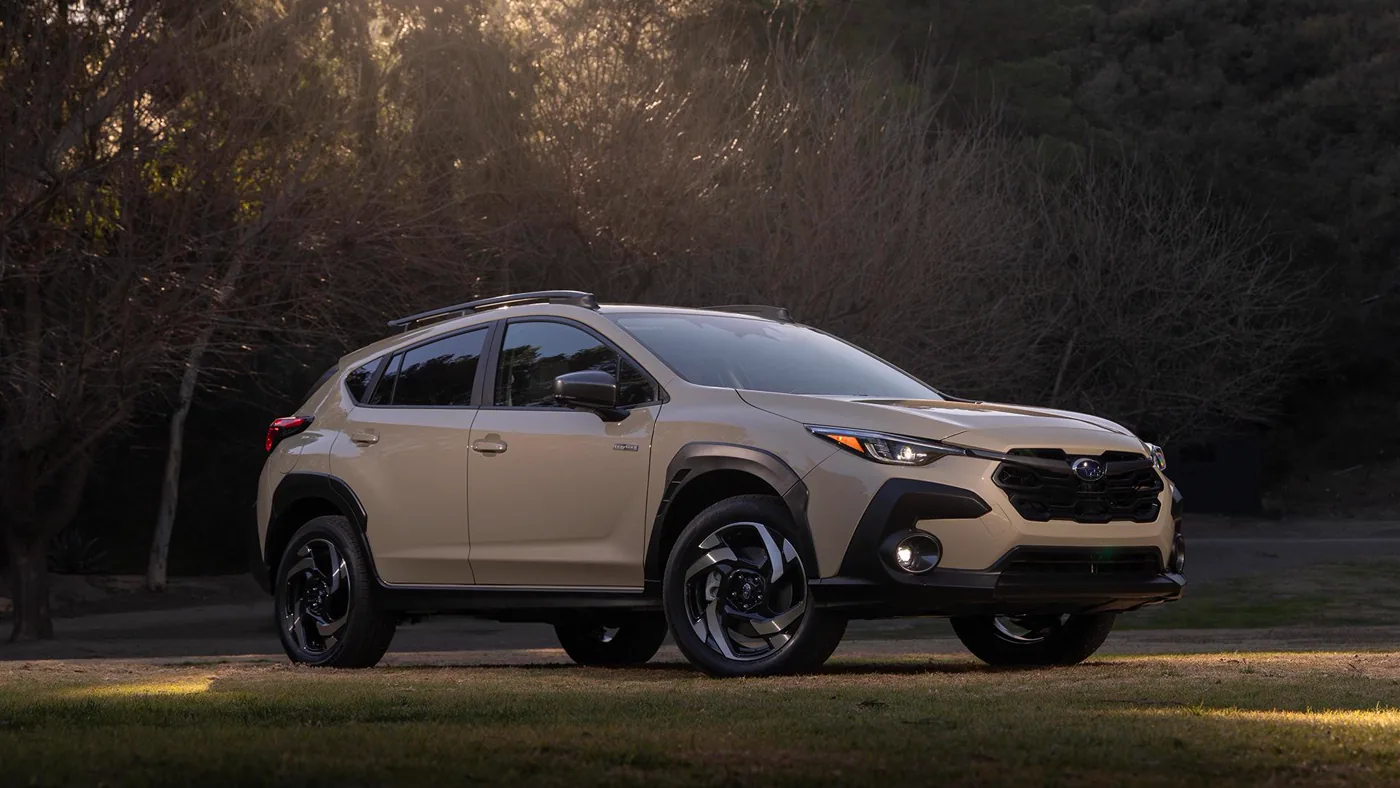
The 2026 Subaru Crosstrek is the interesting outlier because it stays genuinely small outside without punishing the driver as much as you might expect. Subaru lists 42.9 inches of front legroom, more than several physically larger compact SUVs in this group.
Front headroom reaches 39.8 inches on applicable trims and drops to 38.7 inches with the moonroof. The penalty arrives in the back seat, where Subaru lists roughly 36.5 to 36.7 inches of rear legroom depending on trim.
For a tall single driver or couple who values a shorter vehicle and easy parking, that trade can be perfectly reasonable. If four tall adults are part of the normal use case, I would move straight to the Forester, Tucson, Sportage or CR-V.
Why a moonroof can change the ranking
For tall drivers, a moonroof is not a small equipment detail. The roof cassette, shade and reinforcement have to live above the headliner, and that can reduce the measured space over the front seat.
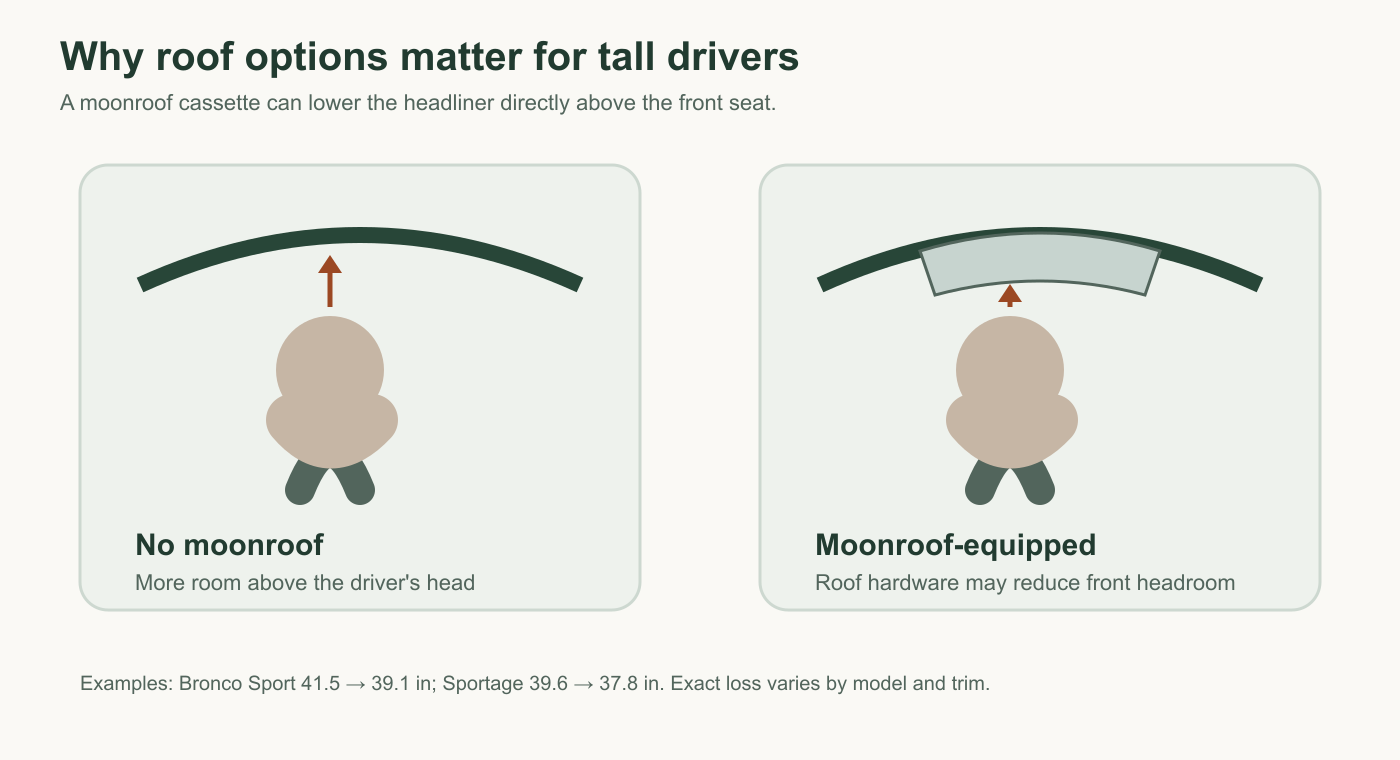
Illustrative diagram. The amount of headroom lost depends on the model and trim; use the manufacturer figures for the exact vehicle.
The Bronco Sport is the clearest example in this group: Ford lists 41.5 inches without the moonroof and 39.1 with it. The Sportage drops from 39.6 to 37.8 inches. The CR-V LX lists 40.0 inches, while the moonroof-equipped 2026 trims in Honda's table list 38.2.
If a dealership only has loaded trims on the floor, ask to sit in a lower trim without the roof before ruling out the entire model.
Best used small SUV for tall drivers: 2018, 2019, 2022 and 2023
Used shoppers do not need four separate thin lists for 2018, 2019, 2022 and 2023. The useful question is whether the roomy choices stayed roomy in those years. The Forester did, which is why it remains the safest used starting point in this group.
Best small SUV for tall drivers in 2018
The 2018 Subaru Forester is still worth hunting for if budget matters. Its U.S. brochure lists 43.0 inches of front legroom and 41.4 inches of front headroom without the moonroof. Add the moonroof and that headroom figure falls to 40.0 inches. The older cabin feels different from the current Forester, but the basic tall-driver numbers are still excellent. 2018 Forester brochure
Best small SUV for tall drivers in 2019
The redesigned 2019 Forester is the used year I would prioritize first if prices are close. Front legroom increased to 43.3 inches while front headroom stayed at a generous 41.2 inches without the moonroof. It also moved closer to the cabin proportions of the later Foresters, making it an easy used benchmark for a tall shopper. 2019 Forester brochure
Best small SUV for tall drivers in 2022
By 2022, the numbers are familiar: 43.3 inches of front legroom, 41.2 inches of front headroom without the moonroof, and 39.4 inches of rear legroom. That makes a clean 2022 Forester a straightforward choice for someone who wants the roomy formula without paying for a nearly new SUV. 2022 Subaru Forester brochure
Best small SUV for tall drivers in 2023
The 2023 Forester keeps the same key tall-driver dimensions: 43.3 inches of front legroom and 41.2 inches of front headroom without the moonroof. Its moonroof-equipped figure is 40.2 inches. If a 2022 and 2023 example are similar in condition and equipment, I would let price, service history and trim decide rather than chasing a dimensional advantage that is not there. 2023 Subaru Forester brochure
One caution applies to every used-year recommendation: the brochure tells you the cabin envelope, not whether a particular seat is worn, modified or adjusted the way you need. Sit in the exact vehicle before buying, especially if you are close to the headliner or steering column.
How a tall driver should test an SUV in 10 minutes
The spec sheet should get you to the right three or four vehicles. The driver's seat should make the final decision. Give yourself ten quiet minutes in each candidate and use the same routine every time.
- Start with seat height, then move rearward. Dropping the cushion can create both headroom and a better knee angle. Sliding all the way back first is a common mistake.
- Use your normal seatback angle. If you have to recline farther than you normally would just to clear the roof, the vehicle does not really fit.
- Work the pedals. Move your right foot from accelerator to brake several times and operate the clutch if there is one. A static legroom figure cannot show whether your knee catches the steering column or center console.
- Bring the wheel to you. Extend the telescoping wheel until your shoulders can stay against the seat while your elbows remain slightly bent. Long legs should not force you to drive with straight arms.
- Check the actual roof hardware. Look at the headliner, moonroof frame and overhead console directly above and beside your head. That is where real clearance is won or lost.
- Test the seat behind yourself. Leave the driver's seat untouched and sit in the second row. If nobody can use that seat, you need to know before the test drive ends.
- Repeat the check in the trim you intend to buy. A different roof, power-seat mechanism or cushion can change the fit enough to matter.
SUVLook uses manufacturer dimensions as a screening tool and labels trim-related differences instead of pretending one number fits every vehicle. See our measurement approach and editorial policy for how we separate published specifications from physical measurements.
Which dimension matters most for a tall driver?
There is no universal “tall person” body shape. Where your height sits matters as much as the number on your driver's license.
If most of your height is in your legs: prioritize front legroom, seat-track range and steering-wheel telescope. The Forester, Crosstrek, Bronco Sport and CX-50 are the strongest candidates in this comparison.
If most of your height is in your torso: headroom moves to the top of the list, and roof options become critical. The no-moonroof Bronco Sport and the roomiest Forester configuration stand out.
If you are broad through the shoulders: compare shoulder room, but also pay attention to the seat bolsters, door armrest and center console. A cabin can measure wide and still pinch you in the wrong places.
If more than one person in the family is tall: rear legroom becomes part of the driver's fit. The Tucson and Sportage lead this table at 41.3 inches in the rear, with the CR-V close behind at 41.0.
Frequently asked questions
What is the best small SUV for a 6'4" or 6'5" driver?
The 2026 Subaru Forester is the strongest first test drive based on published dimensions because it combines up to 41.2 inches of front headroom with 43.3 inches of front legroom. The Ford Bronco Sport is also excellent for front headroom if you choose one without the moonroof.
Which compact SUV has the most front legroom in this comparison?
The 2026 Subaru Forester has 43.3 inches of front legroom, the highest published figure among the seven small SUVs compared here. The Subaru Crosstrek follows at 42.9 inches and the Ford Bronco Sport at 42.4 inches.
Which small SUV has the most headroom for a tall driver?
Among the vehicles in this guide, the 2026 Ford Bronco Sport has the largest maximum front-headroom figure at 41.5 inches without the moonroof. The 2026 Subaru Forester reaches 41.2 inches in its roomiest configuration.
Which small SUV is best for a tall driver and tall back-seat passenger?
The Hyundai Tucson and Kia Sportage are especially strong on paper because both publish 41.3 inches of rear legroom while keeping 41.4 inches in front. The Honda CR-V is close with 41.0 inches of rear legroom.
Does a panoramic roof reduce headroom?
Often, yes. The amount varies by vehicle. In this comparison, Ford lists a 2.4-inch front-headroom difference between Bronco Sport configurations without and with the moonroof, while Kia lists a 1.8-inch difference on the Sportage.
Is the Subaru Forester good for tall drivers in older model years?
Yes, based on the published U.S. dimensions. The 2018 Forester lists 43.0 inches of front legroom and up to 41.4 inches of front headroom; 2019, 2022 and 2023 Foresters list 43.3 inches of front legroom and up to 41.2 inches of front headroom.
A quick note on the numbers: This comparison uses published U.S. manufacturer dimensions. Treat them as a shortlist tool because roof options, seat design and your leg-to-torso proportions change how a cabin feels. The final test is simple: sit in the exact trim, set the wheel and seat where you would actually drive, and make sure the position still leaves useful room behind you.