Dimensions · Space · Buying guides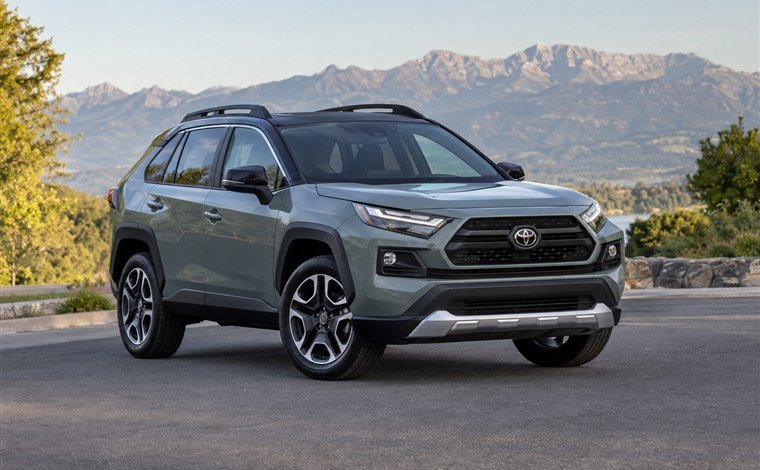
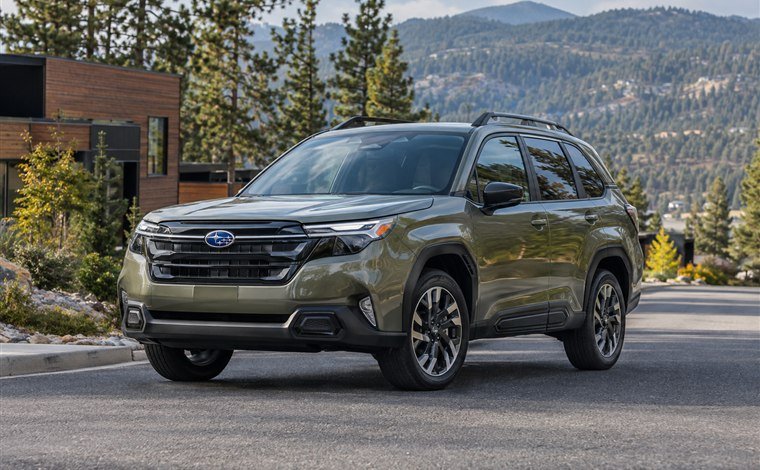
The 2026 Toyota RAV4 and Subaru Forester are both compact SUVs with strong efficiency and utility stories, but they reach those goals differently. Toyota's redesigned RAV4 is electrified across the U.S. lineup, with hybrid and plug-in-hybrid powertrains and front- or all-wheel drive depending on configuration. Subaru keeps Symmetrical AWD standard on every Forester and offers both gasoline and hybrid versions, plus a Wilderness grade with extra clearance and towing capability.
If you want a plug-in hybrid, start with Toyota. If standard AWD and front-seat space matter more, take a close look at the Forester. Then compare the actual trims within your budget: cargo room, towing, fuel economy and headroom can change with the version you choose. The tables keep those differences visible rather than combining every model's best numbers into one imaginary vehicle.
Quick comparison
| Research field | 2026 Toyota RAV4 | 2026 Subaru Forester |
|---|---|---|
| Standard powertrain | 2.5L hybrid | 2.5L BOXER gasoline |
| Hybrid output | 226 hp FWD; 236 hp AWD | 194 hp |
| Plug-in hybrid | 324 hp, AWD | Not offered in current profile |
| AWD | Available; PHEV AWD standard | Standard on every trim |
| Front legroom | 41.0 in | 43.3 in |
| Rear legroom | 37.8 in | 39.4 in |
| Front headroom | 37.7 in in current comparison configuration | Up to 41.2 in |
| Cargo behind rear seat | 37.8 cu ft | Up to 29.6 cu ft |
| Maximum cargo | 69.8 cu ft | Up to 74.4 cu ft |
| Maximum towing | Up to 3,500 lb on specified grades | 1,500 lb most trims; 3,500 lb Wilderness |
The RAV4 publishes more cargo volume with the rear seat in use and offers a plug-in-hybrid path. The Forester publishes substantially more front legroom and headroom, makes AWD standard and can match the RAV4's 3,500-pound maximum tow rating in Wilderness form.
Powertrain choices
Toyota's 2026 RAV4 moves away from a conventional gas-only U.S. lineup. The regular hybrid uses a 2.5-liter four-cylinder hybrid system and produces 226 net combined horsepower in front-drive form or 236 horsepower with electronic AWD. The plug-in hybrid raises combined output to 324 horsepower and includes AWD.
Subaru gives Forester buyers a more traditional split. Gasoline models use a 2.5-liter BOXER four-cylinder producing 180 horsepower and 178 lb-ft of torque. The Forester Hybrid uses Subaru's electrified system and publishes 194 horsepower. Both powertrain types retain Symmetrical AWD.
That creates a clear philosophical difference. Toyota makes electrification universal and lets some buyers choose FWD for efficiency. Subaru makes AWD universal and lets buyers choose whether they want the gasoline or hybrid powertrain.
For complete model-year fields, open the 2026 Toyota RAV4 profile and 2026 Subaru Forester profile.
Fuel economy and electrification
Toyota's hybrid strategy gives the RAV4 some of the strongest published efficiency numbers in this comparison. Selected front-drive hybrid configurations reach manufacturer estimates of up to 47 mpg city, 40 highway and 43 combined. Efficient AWD grades are close behind, with published estimates reaching roughly 45 city, 39 highway and 42 combined depending on trim.
The RAV4 PHEV adds an electric-driving use case. Toyota publishes up to 52 miles of electric range for selected configurations, with hybrid operation continuing after the battery's electric range is depleted. For owners with home charging and a commute inside that range, daily gasoline use can change dramatically.
Subaru's 2026 Forester Hybrid publishes 35 mpg city and 34 highway. Gasoline trims reach up to about 26 city and 33 highway in efficient configurations, while Wilderness is lower at roughly 24 city and 28 highway because of its capability-oriented setup.
The fair comparison depends on drivetrain needs. If AWD is mandatory, compare AWD RAV4 figures with the standard-AWD Forester rather than using Toyota's most efficient FWD result as the universal number.
Tall-driver and passenger space
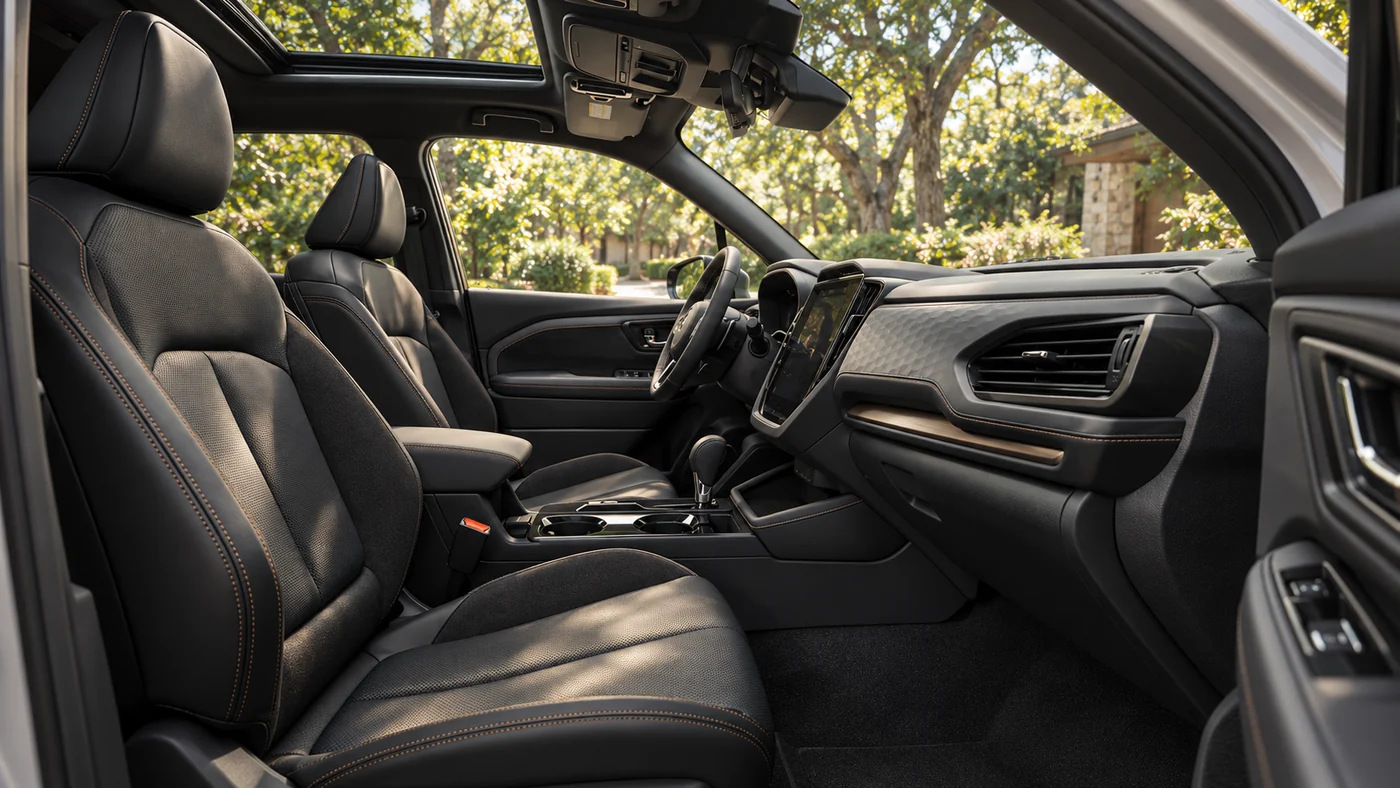
The Forester has one of the strongest front-seat measurement sets in SUVLook's compact-SUV database. Subaru publishes 43.3 inches of front legroom and up to 41.2 inches of front headroom. Rear legroom is 39.4 inches.
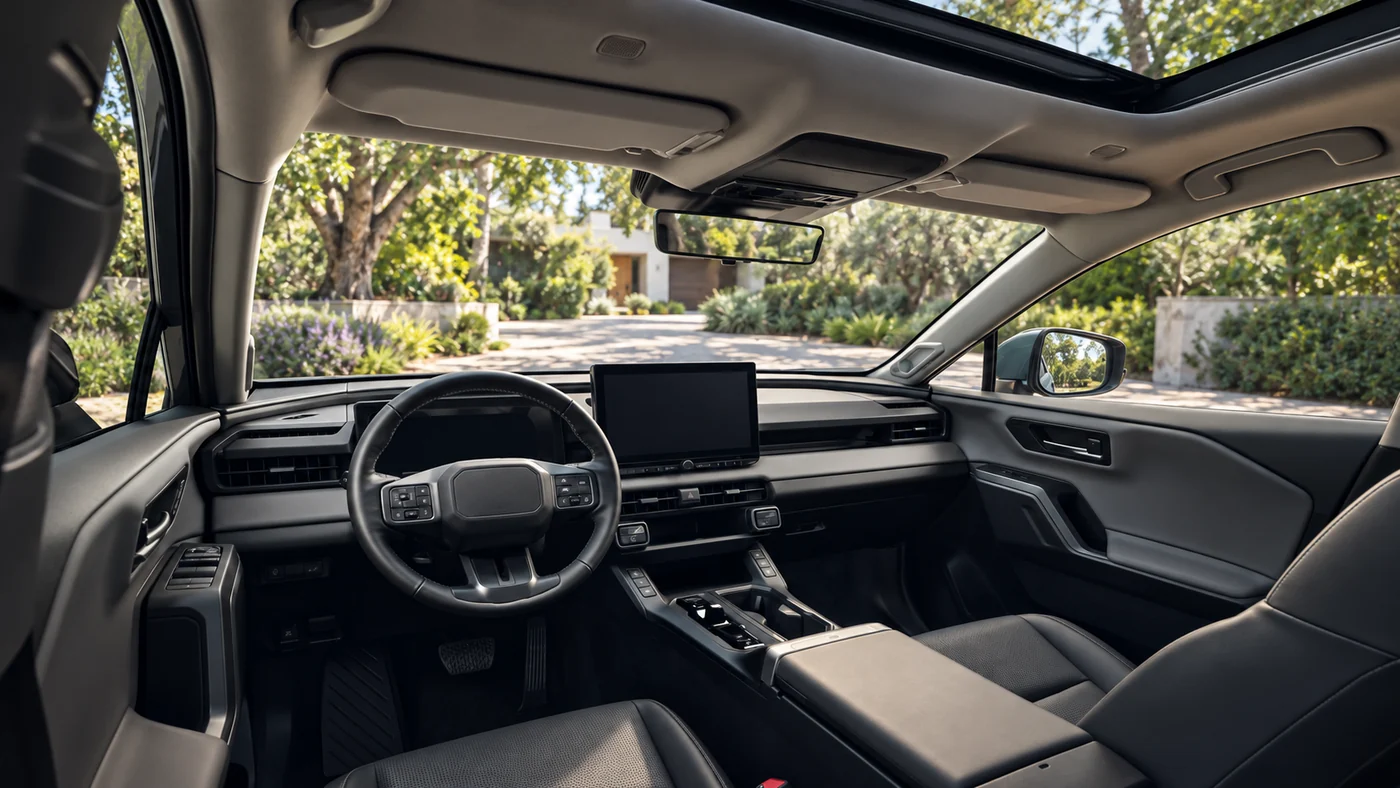
Toyota publishes 41.0 inches of front legroom and 37.8 inches of rear legroom for the current 2026 RAV4 comparison configuration. Front headroom is listed at 37.7 inches in that configuration, while rear headroom is 39.5 inches.
On paper, the Forester therefore has a meaningful advantage for tall drivers and also publishes more rear legroom. That does not guarantee every driver will prefer its seat. Seat-bottom length, pedal placement, steering-wheel reach and roof equipment can change the real experience.
For a tall shopper, the best test is to set the driver's seat first, then sit behind that position. If a panoramic roof or moonroof is part of the desired trim, test that exact roof configuration because headroom can change with equipment.
Cargo space behind the rear seat
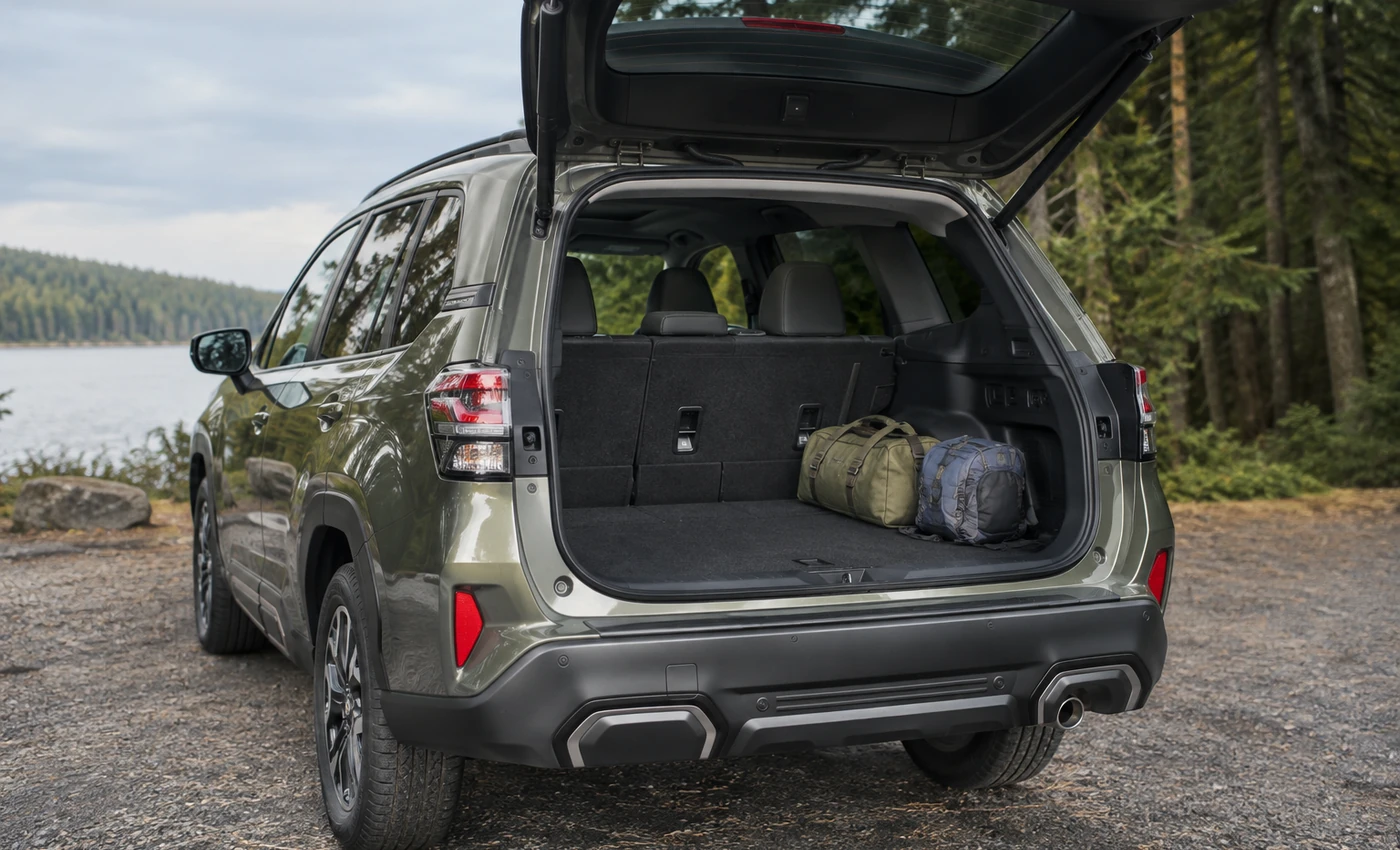
Toyota publishes 37.8 cubic feet of cargo capacity behind the rear seat for the current 2026 RAV4 comparison configuration. Subaru publishes up to 29.6 cubic feet for the roomiest Forester configuration, while many better-equipped Forester trims list 27.5 cubic feet.
That gives the RAV4 a clear seats-up volume advantage on the published numbers. For households that carry passengers most of the time, this is often more useful than maximum folded volume because groceries, luggage and strollers usually need to coexist with people in the second row.
Subaru's lower seats-up figure should still be read in configuration context. Moonroof and equipment packaging can reduce published cargo volume, so the maximum 29.6-cubic-foot figure should not be assumed for every Forester on a dealer lot.
For rigid-load questions, use the RAV4 cargo guide and Forester cargo guide rather than relying on cubic feet alone.
Maximum cargo with the seats folded
The result changes when the rear seat is folded. Subaru publishes up to 74.4 cubic feet in the roomiest Forester configuration. Many equipped trims publish 69.1 cubic feet. Toyota lists 69.8 cubic feet for the current 2026 RAV4 comparison configuration.
That means the Forester's maximum can be higher, but some trims land very close to the RAV4. This is another case where one headline number hides meaningful equipment differences.
Toyota's profile also carries a 37.8-inch cargo-area length and a 60.5-inch cargo-area width field for the current configuration. SUVLook deliberately does not relabel that width as wheel-housing width. A large rigid box still needs hatch-opening and narrow-point measurements.
Because the RAV4 was redesigned for 2026, SUVLook also avoids carrying older 2024-2025 linear cargo dimensions forward automatically. New-generation packaging should be measured or sourced again.
AWD and ground clearance
Subaru makes Symmetrical AWD standard across the entire Forester lineup. Most trims publish 8.7 inches of ground clearance, while Wilderness increases that to 9.3 inches and adds more capability-oriented equipment.
Toyota offers front-wheel drive on selected regular-hybrid RAV4 grades and electronic AWD on others. PHEV versions use AWD. Woodland is the more adventure-focused RAV4 configuration, adding all-terrain-oriented equipment and a tow hitch receiver.
For buyers who consider AWD non-negotiable, the Forester simplifies shopping because there is no FWD configuration to accidentally compare. The RAV4 offers more choice, which can help efficiency-focused buyers but requires closer trim matching.
Ground clearance is only part of rough-road capability. Tire type, approach geometry and underbody protection matter too. A Forester Wilderness should be compared with a similarly capability-focused RAV4 grade rather than with the most efficiency-oriented Toyota configuration.
Towing capacity
Both model lines can reach a 3,500-pound maximum, but only in specific configurations. Subaru rates most Forester trims at up to 1,500 pounds while Wilderness increases the figure to 3,500 pounds when properly equipped.
Toyota publishes a 3,500-pound maximum for specified AWD hybrid and plug-in-hybrid RAV4 grades. Lower-rated RAV4 configurations can be listed at 1,750 pounds.
The practical lesson is the same on both sides: never shop by the model's highest tow number alone. Confirm the exact grade, hitch equipment, payload limit and owner's-manual requirements for the vehicle you intend to buy.
For buyers who tow only a small utility trailer, either model may provide enough capacity. For buyers who genuinely need more than 1,500 pounds, the shortlist narrows to Forester Wilderness or a correctly specified higher-rated RAV4 configuration.
Safety and driver-assistance context
The 2026 Forester has current model-year IIHS data in SUVLook's research profile and earned an IIHS Top Safety Pick+ award. The profile records Good ratings in the small-overlap front, updated moderate-overlap front, updated side and headlight categories. EyeSight Driver Assist Technology is standard equipment across the range.
The 2026 RAV4 is a new generation and includes Toyota Safety Sense 4.0 as standard, plus Blind Spot Monitor with Rear Cross-Traffic Alert. SUVLook does not carry prior-generation crash-test scores forward automatically to the redesigned body while waiting for current-generation applicability.
That difference is about evidence timing, not a blanket judgment between the vehicles. The Forester has a more complete current 2026 test record available in the profile today, while the redesigned RAV4 should be checked again as model-specific testing fills in.
Technology and daily usability
Toyota equips the 2026 RAV4 with a 10.5-inch Toyota Audio Multimedia screen as standard and offers a larger 12.9-inch display. A 12.3-inch digital gauge cluster is standard, and wireless Apple CarPlay and Android Auto are supported. The new generation also introduces Toyota's newer multimedia architecture and Arene software platform.
Subaru offers an 11.6-inch STARLINK Multimedia touchscreen on higher Forester trims with wireless Apple CarPlay and Android Auto. DriverFocus distraction mitigation is available on upper grades, while hybrid models add electrified-power and energy-management information.
The technology comparison is close enough that interface preference should carry real weight. During a test drive, connect a phone, try the camera views, change audio sources and use the steering-wheel controls. A specification sheet cannot show which system is easier for a particular driver to use without distraction.
Pricing and trim structure
Subaru's 2026 Forester starts at $29,995 for the base gasoline model before destination and other charges in the research profile. Hybrid versions start higher, and Wilderness adds capability-oriented equipment at a higher price than the base grades.
The RAV4's pricing structure is different because every 2026 U.S. model is electrified. Regular hybrids form the lower portion of the range, while plug-in-hybrid trims move into a substantially higher price tier alongside their extra output and electric range.
When comparing value, use equivalent drivetrains. A base gas Forester AWD should not be treated as a direct substitute for a RAV4 PHEV AWD, and the most efficient RAV4 FWD hybrid is not the right comparison if the buyer requires AWD.
Transaction price, insurance and available incentives can also move the real ownership cost away from the published starting MSRP.
Which one fits which buyer?
The RAV4 is the stronger research match for shoppers who prioritize hybrid efficiency, available plug-in electric range, more published seats-up cargo volume or Toyota's newly redesigned technology platform. Selected grades also reach a 3,500-pound tow rating.
The Forester stands out for tall-driver measurements, standard AWD, up to 74.4 cubic feet of maximum cargo capacity and a Wilderness configuration with 9.3 inches of ground clearance and a 3,500-pound tow rating. Its gas-or-hybrid choice also lets buyers decide how much electrification they want without giving up AWD.
Use the SUVLook comparison tool for a structured side-by-side view.
What to check before buying
- Test headroom in the exact trim. The Forester's published maximum is strong, but roof equipment can change usable space.
- Compare equivalent AWD configurations. Toyota offers FWD on some grades; Subaru does not.
- Keep Forester cargo numbers tied to equipment. Many trims publish lower capacity than the maximum figures.
- Verify the exact tow rating. Wilderness and selected RAV4 grades reach 3,500 pounds; most configurations do not.
- Measure rigid cargo. Cubic-foot volume and maximum-width fields cannot guarantee hatch-opening fit.
Frequently asked questions
Which has more cargo space, the 2026 RAV4 or Forester?
The RAV4 publishes 37.8 cubic feet behind the rear seat, more than the Forester's up-to-29.6-cubic-foot figure. With the rear seat folded, the roomiest Forester configuration reaches 74.4 cubic feet, while the RAV4 profile lists 69.8 cubic feet.
Which is better for tall drivers on paper?
The Forester publishes 43.3 inches of front legroom and up to 41.2 inches of front headroom. The current RAV4 comparison configuration lists 41.0 inches of front legroom and 37.7 inches of front headroom.
Is AWD standard on both?
No. AWD is standard on every Forester. The RAV4 offers FWD or AWD depending on hybrid grade, while PHEV versions use AWD.
Which can tow 3,500 pounds?
Forester Wilderness is rated up to 3,500 pounds when properly equipped. Selected AWD hybrid and plug-in-hybrid RAV4 grades also reach 3,500 pounds. Lower-rated trims on both sides should not be assigned those maximums.
Which has a plug-in hybrid?
The 2026 RAV4 does. Toyota publishes a 324-hp plug-in-hybrid system with up to 52 miles of electric range for selected configurations. The Forester offers a regular hybrid but not a plug-in hybrid in the current profile.
Research sources
- Toyota Newsroom, 2026 RAV4 launch and specifications: https://pressroom.toyota.com/the-next-adventure-begins-2026-rav4-arrives-this-winter/
- Toyota Newsroom, 2026 RAV4 pricing context: https://pressroom.toyota.com/all-new-2026-toyota-rav4-takes-center-stage-in-whats-your-rav4-campaign/
- Toyota, 2026 RAV4 brochure: https://www.toyota.com/content/dam/toyota/brochures/pdf/2026/2026_rav4_brochure_20260612_142557.pdf
- Subaru, 2026 Forester trim comparison: https://www.subaru.com/services/vehicles/pdf/trimComparison/2026/FOR
- Subaru, 2026 Forester brochure: https://www.subaru.com/content/dam/subaru/downloads/pdf/brochures/2026/2026_Forester_Brochure_011326.pdf
- IIHS, 2026 Subaru Forester ratings: https://www.iihs.org/ratings/vehicle/subaru/forester/2026