 Dimensions · Space · Buying guides
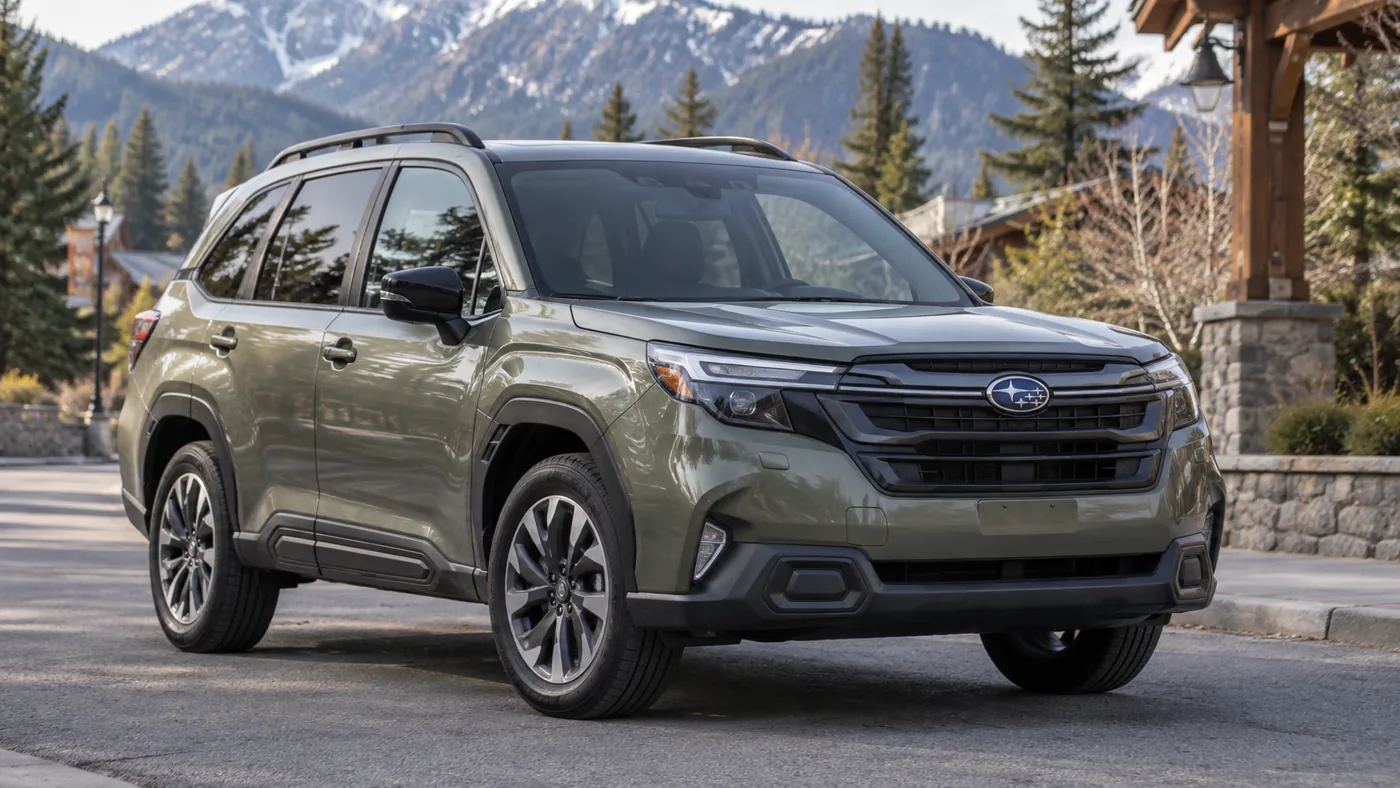 Vehicle A
2026 · Subaru · 2-row · Hybrid
Forester
- Starting price
- $29,995
- Length
- 183.3 in
- Seating
- 5
- Max cargo
- 74.4 cu ft
- Max towing
- 3,500 lb
SUVLook comparison lab
Price, size, cabin, cargo, towing, safety and ownership side by side. Every value comes from the cited sources in each model-year profile, and gaps stay labeled instead of guessed.
Vehicle A
2026 · Subaru · 2-row · Hybrid
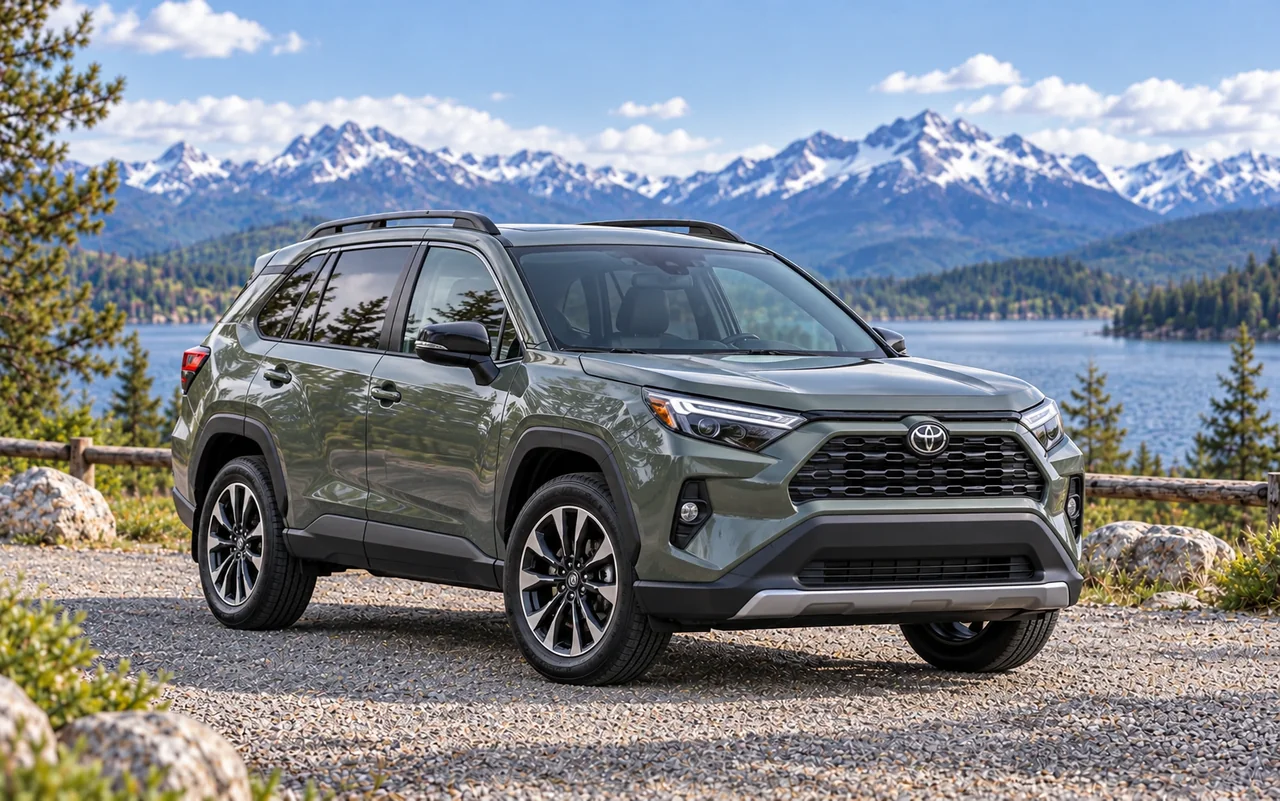 Vehicle B
2026 · Toyota · 2-row · Plug-in hybrid
Key differences
No overall winner: each line is one source-backed figure. Decide which ones matter for how you will use the SUV.
Head-to-head
Bars share one scale starting at zero, so small real differences are not exaggerated. Where a profile lists several figures, the highest published one is used.
Decision snapshot
Each card compares one documented criterion. A lead is shown only when both source-backed values use a compatible measurement; otherwise the raw facts stay visible and the criterion stays unresolved.
2026 Subaru Forester has lower published starting MSRP by $1,905.
The current profiles do not provide two normalized values that can be compared safely.
2026 Subaru Forester has more published maximum cargo volume by 4.6 cu ft.
2026 Subaru Forester has more published rear/second-row legroom by 1.6 in.
The normalized published values are tied for this criterion.
The normalized published values are tied for this criterion.
At a glance
| Research field | A2026 Subaru Forester | B2026 Toyota RAV4 |
|---|---|---|
|
Starting MSRP
Different
|
$29,995Base gas Forester | From $31,900LE FWD |
|
Primary engine / system
Different
|
2.5L SUBARU BOXER four-cylinderSubaru U.S. specification | 2.5L four-cylinder hybridFifth-generation Toyota hybrid system |
|
Primary output
Different
|
180 hp2.5L BOXER | 226–236 hpFWD / AWD |
|
Drivetrain
Different
|
Symmetrical AWDStandard across the lineup | FWD or electronic AWDGrade dependent |
|
Seating
|
5Subaru U.S. specification | 5Toyota U.S. specification |
|
Cargo behind rear seat
Different
|
29.6 cu ftCargo behind rear seat with seats in place | 37.8 cu ftCargo behind rear seat with seats in place |
|
Maximum cargo
Different
|
74.4 cu ftBase / roomiest published configuration | 69.8 cu ftToyota current comparison figure |
|
Maximum towing
|
3,500 lbProperly equipped | 3,500 lbSpecified AWD hybrid/PHEV grades |
Price & trims
| Research field | A2026 Subaru Forester | B2026 Toyota RAV4 |
|---|---|---|
|
Starting MSRP
Different
|
$29,995Base gas Forester | From $31,900LE FWD |
|
Entry trim
Different
|
Base · $29,995Gas | Hybrid LE · $31,900FWD available |
|
Highest listed trim
Different
|
Touring Hybrid · $41,545Hybrid | PHEV GR SPORT · $48,500AWD; performance-focused chassis tuning |
|
Trim lineup
Different
|
Base · Premium · Premium Hybrid · Sport · Wilderness · Sport Hybrid · Limited · Limited Hybrid · Touring · Touring Hybrid10 researched trims | Hybrid LE · Hybrid SE · Hybrid XLE Premium · Hybrid Woodland · Hybrid XSE · Hybrid Limited · PHEV SE · PHEV Woodland · PHEV XSE · PHEV GR SPORT10 researched trims |
Performance
| Research field | A2026 Subaru Forester | B2026 Toyota RAV4 |
|---|---|---|
|
Engine / primary system
Different
|
2.5L SUBARU BOXER four-cylinderSubaru U.S. specification | 2.5L four-cylinder hybridFifth-generation Toyota hybrid system |
|
Primary output
Different
|
180 hp / 178 lb-ftSubaru U.S. specification | 226 hp net combinedToyota U.S. specification |
|
Hybrid output
Different
|
194 hpSubaru Hybrid System | 236 hp net combinedToyota U.S. specification |
|
Transmission
Data gap
|
Lineartronic CVTSubaru U.S. specification | UnverifiedNo source-backed value verified yet |
|
Drivetrain
Different
|
Symmetrical AWDStandard across the lineup | FWD or electronic AWDGrade dependent |
|
All-wheel drive
Different
|
Symmetrical AWDStandard across the lineup | FWD or electronic AWDGrade dependent |
Fuel & efficiency
| Research field | A2026 Subaru Forester | B2026 Toyota RAV4 |
|---|---|---|
|
Fuel type
|
Regular GasolineFuel types in the EPA certification records · Source | Regular GasolineFuel types in the EPA certification records · Source |
|
Gas / base fuel economy
|
26–29 mpg combinedEPA combined; gasoline models · Source | No gas-only versionModel-year powertrain lineup · Source |
|
Hybrid fuel economy
Different
|
35 mpg combinedEPA estimates vary by trim and drivetrain · Source | 38–43 mpg combinedEPA estimates vary by trim and drivetrain · Source |
|
Plug-in hybrid fuel economy
|
No plug-in hybridModel-year powertrain lineup · Source | 36–40 mpg combined on gasolineToyota U.S. trim ratings · Source |
|
Off-road trim fuel economy
Different
|
26 mpg combinedEPA estimates vary by trim and drivetrain · Source | 38 mpg combinedEPA estimates vary by trim and drivetrain · Source |
|
Fuel tank
Different
|
16.6 US gal (gas)Subaru U.S. 2026 gas model specifications · Source | 14.5 US gal (hybrid)Toyota U.S. 2026 hybrid specifications · Source |
|
Electric range
|
No plug-in powertrainThis row applies to plug-in hybrids and battery-electric vehicles · Source | Up to 54 miEPA estimate for SE, published by Toyota · Source |
|
Driving range
|
Up to 581 milesSubaru published estimate | About 550–620 miReference only · 14.5 US gal (hybrid) × 38–43 mpg combined. Full nominal tank; EPA estimates vary by trim and drivetrain. Actual range varies. · Source |
Size & footprint
| Research field | A2026 Subaru Forester | B2026 Toyota RAV4 |
|---|---|---|
|
Wheelbase
Different
|
105.1 inSubaru U.S. specification | 105.9 inToyota current comparison configuration |
|
Overall length
Different
|
183.3 inMost trims | 181.0 inToyota current comparison configuration |
|
Overall width
Different
|
72.0 inMost trims | 73.0 inToyota current comparison configuration |
|
Ground clearance
Different
|
8.7 inMost trims | 8.1–8.5 inToyota dealer’s 2026 U.S. hybrid trim specifications · Source |
|
Off-road ground clearance
Different
|
9.3 inSubaru Wilderness specification | 8.5 in (Woodland)Toyota dealer’s 2026 U.S. hybrid trim specifications · Source |
|
Overall height
Data gap
|
UnverifiedNo source-backed value verified yet | 66.5 inToyota current comparison configuration |
Cabin
| Research field | A2026 Subaru Forester | B2026 Toyota RAV4 |
|---|---|---|
|
Seating
|
5Subaru U.S. specification | 5Toyota U.S. specification |
|
Front legroom
Different
|
43.3 inSubaru U.S. specification | 41.0 inToyota current comparison configuration |
|
Rear legroom
Different
|
39.4 inSubaru U.S. specification | 37.8 inToyota current comparison configuration |
|
Front headroom
Different
|
Up to 41.2 inEquipment dependent | 37.7 inToyota current comparison configuration |
|
Rear headroom
Different
|
37.7–39.6 inSubaru 2026 U.S. gas-model specification sheet; hybrid may differ · Source | 39.5 inToyota current comparison configuration |
|
Front shoulder room
Different
|
57.7 inSubaru U.S. 2026 trim comparison · Source | 57.0 inToyota dealer’s 2026 U.S. hybrid trim specifications · Source |
|
Rear shoulder room
Different
|
56.7 inSubaru U.S. 2026 trim comparison · Source | 56.4 inToyota dealer’s 2026 U.S. hybrid trim specifications · Source |
|
Passenger volume
Data gap
|
106.6–110.8 cu ftSubaru U.S. 2026 trim comparison · Source | UnverifiedNo source-backed value verified yet |
|
Front hip room
Data gap
|
UnverifiedNo source-backed value verified yet | 55.3 inToyota dealer’s 2026 U.S. hybrid trim specifications · Source |
|
Rear hip room
Data gap
|
UnverifiedNo source-backed value verified yet | 49.6 inToyota dealer’s 2026 U.S. hybrid trim specifications · Source |
Cargo
| Research field | A2026 Subaru Forester | B2026 Toyota RAV4 |
|---|---|---|
|
Cargo behind rear seat
Different
|
29.6 cu ftCargo behind rear seat with seats in place | 37.8 cu ftCargo behind rear seat with seats in place |
|
Maximum cargo volume
Different
|
74.4 cu ftBase / roomiest published configuration | 69.8 cu ftToyota current comparison figure |
|
Cargo length, seats up
Different
|
36.5 inSubaru 2026 U.S. gas-model specification sheet; hybrid may differ · Source | 37.8 inToyota current comparison figure |
|
Cargo length, seats folded
Data gap
|
70.7 inSubaru 2026 U.S. gas-model specification sheet; hybrid may differ · Source | UnverifiedNo source-backed value verified yet |
|
Width between wheel housings
Different
|
43.3 inSubaru 2026 U.S. gas-model specification sheet; hybrid may differ · Source | Not establishedDo not substitute maximum cargo width |
|
Hatch-opening width
Data gap
|
47.5 in lower / 49.2 in maximumSubaru 2026 U.S. gas-model specification sheet; hybrid may differ · Source | UnverifiedNo source-backed value verified yet |
|
Hatch-opening height
Data gap
|
32.2 inSubaru 2026 U.S. gas-model specification sheet; hybrid may differ · Source | UnverifiedNo source-backed value verified yet |
|
Cargo-area width
Data gap
|
UnverifiedNo source-backed value verified yet | 60.5 inToyota current comparison figure |
Utility
| Research field | A2026 Subaru Forester | B2026 Toyota RAV4 |
|---|---|---|
|
Maximum towing
|
3,500 lbProperly equipped | 3,500 lbSpecified AWD hybrid/PHEV grades |
|
All-wheel drive
Different
|
Symmetrical AWDStandard across the lineup | FWD or electronic AWDGrade dependent |
|
Cargo behind rear seat
Different
|
29.6 cu ftCargo behind rear seat with seats in place | 37.8 cu ftCargo behind rear seat with seats in place |
|
Maximum cargo
Different
|
Up to 74.4 cu ftRoomiest published configuration | 69.8 cu ftToyota current comparison figure |
|
Cargo width
Data gap
|
43.3 inSubaru 2026 U.S. gas-model specification sheet; hybrid may differ · Source | UnverifiedNo source-backed value verified yet |
|
Lower / standard towing rating
Data gap
|
UnverifiedNo source-backed value verified yet | 1,750 lbFWD models and LE AWD |
Safety
| Research field | A2026 Subaru Forester | B2026 Toyota RAV4 |
|---|---|---|
|
IIHS small overlap front
|
GoodSee IIHS model-year results for tested configuration and applicability · Source | GoodSee IIHS model-year results for tested configuration and applicability · Source |
|
IIHS updated moderate overlap front
Different
|
GoodSee IIHS model-year results for tested configuration and applicability · Source | AcceptableSee IIHS model-year results for tested configuration and applicability · Source |
|
IIHS updated side
|
GoodSee IIHS model-year results for tested configuration and applicability · Source | GoodSee IIHS model-year results for tested configuration and applicability · Source |
|
IIHS headlights
|
GoodSee IIHS model-year results for tested configuration and applicability · Source | GoodSee IIHS model-year results for tested configuration and applicability · Source |
|
IIHS pedestrian front crash prevention
|
GoodFor the evaluated system; see IIHS model-year results · Source | GoodFor the evaluated system; see IIHS model-year results · Source |
|
IIHS whiplash prevention
Unpublished
|
GoodSee IIHS model-year results for tested configuration and applicability · Source | No rating listedThe IIHS model-year overview does not list this test · Source |
|
IIHS vehicle-to-vehicle front crash prevention 2.0
|
GoodFor the evaluated system; see IIHS model-year results · Source | GoodFor the evaluated system; see IIHS model-year results · Source |
|
Safety-system context
|
The 2026 Forester earned an IIHS Top Safety Pick+ award and includes EyeSight driver-assistance technology. The hybrid also carries a published NHTSA 5-Star Overall Vehicle Score from Subaru’s U.S. materials.Model-year safety overview | 4.0 standard2026 Toyota specification |
Ownership
| Research field | A2026 Subaru Forester | B2026 Toyota RAV4 |
|---|---|---|
|
New-vehicle / basic warranty
|
3 years / 36,000 milesU.S. basic warranty; time or mileage, whichever comes first · Source | 3 years / 36,000 milesU.S. basic warranty; time or mileage, whichever comes first · Source |
|
Powertrain warranty
|
5 years / 60,000 milesU.S. powertrain warranty; time or mileage, whichever comes first · Source | 5 years / 60,000 milesU.S. powertrain warranty; time or mileage, whichever comes first · Source |
|
Hybrid coverage
|
8 years / 100,000 milesMajor hybrid components on HEV trims · Source | 8 years / 100,000 milesCovered hybrid components; hybrid models only · Source |
|
Roadside assistance
Different
|
3 years / 36,000 milesU.S. roadside assistance; see terms and eligibility · Source | 2–3 years / unlimited milesTwo years for hybrid; three years for plug-in hybrid under ToyotaCare · Source |
|
Hybrid battery
Data gap
|
UnverifiedNo source-backed value verified yet | 10 years / 150,000 milesHigh-voltage hybrid battery; hybrid models only · Source |
|
Service planning
Data gap
|
UnverifiedNo source-backed value verified yet | 2 years / 25,000 miles of scheduled maintenanceToyotaCare for 2026 models · Source |
Safety systems
The 2026 Forester earned an IIHS Top Safety Pick+ award and includes EyeSight driver-assistance technology. The hybrid also carries a published NHTSA 5-Star Overall Vehicle Score from Subaru’s U.S. materials.
Toyota Safety Sense 4.0 is standard on the all-new 2026 RAV4. Because 2026 is a new generation, SUVLook does not attach prior-generation IIHS crash ratings to this body while waiting for model-specific current-generation results.
Cabin technology
Evidence ledger
8 research sources attached to this model-year profile. Row notes in the tables above keep the evidence context for each value.
11 research sources attached to this model-year profile. Row notes in the tables above keep the evidence context for each value.
Buying context
SUVLook does not carry the separate 2025 third-party linear cargo measurements forward as guaranteed 2026 dimensions. This profile uses 2026 data only where the existing research supports it.
Older 2024–2025 RAV4 cargo dimensions belong to the prior body generation. SUVLook does not automatically apply them to 2026.
Keep comparing
The closest researched rivals to each SUV by size and price.
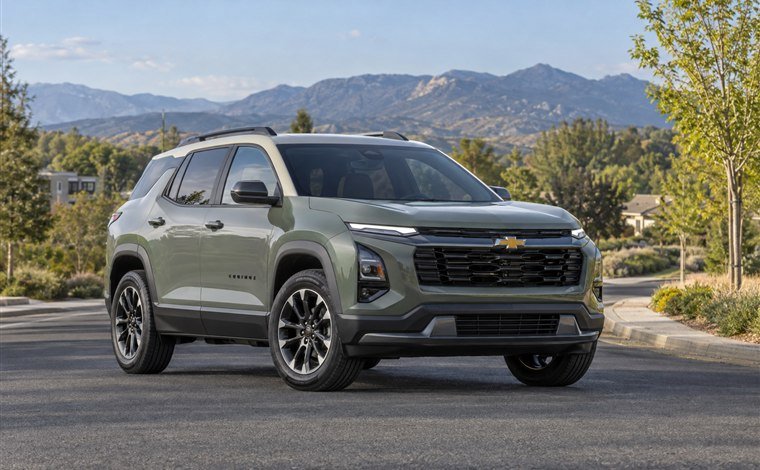 VSSubaru Forester vs Chevrolet Equinox2026 · 2026 model years
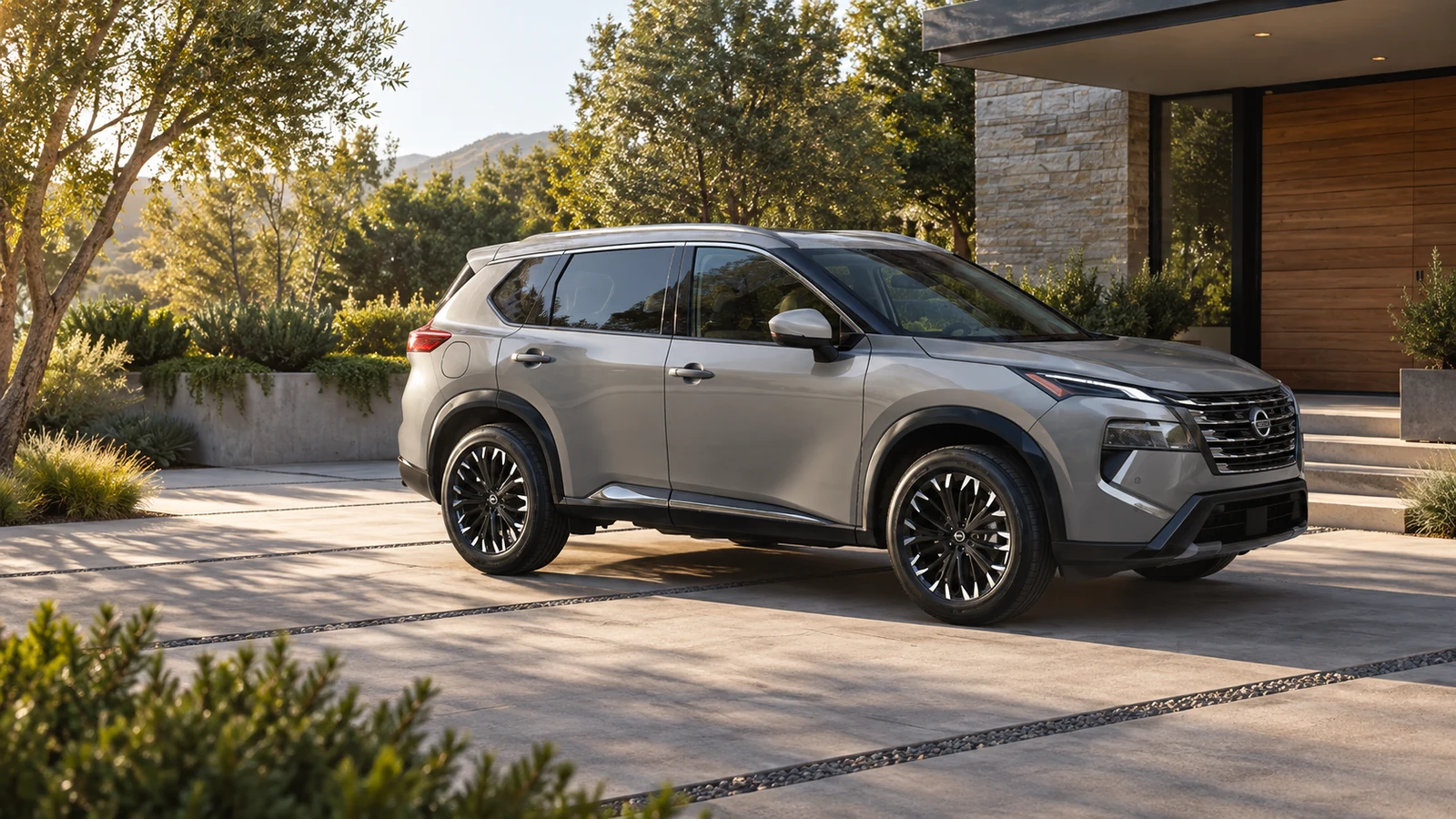 VSSubaru Forester vs Nissan Rogue2026 · 2026 model years
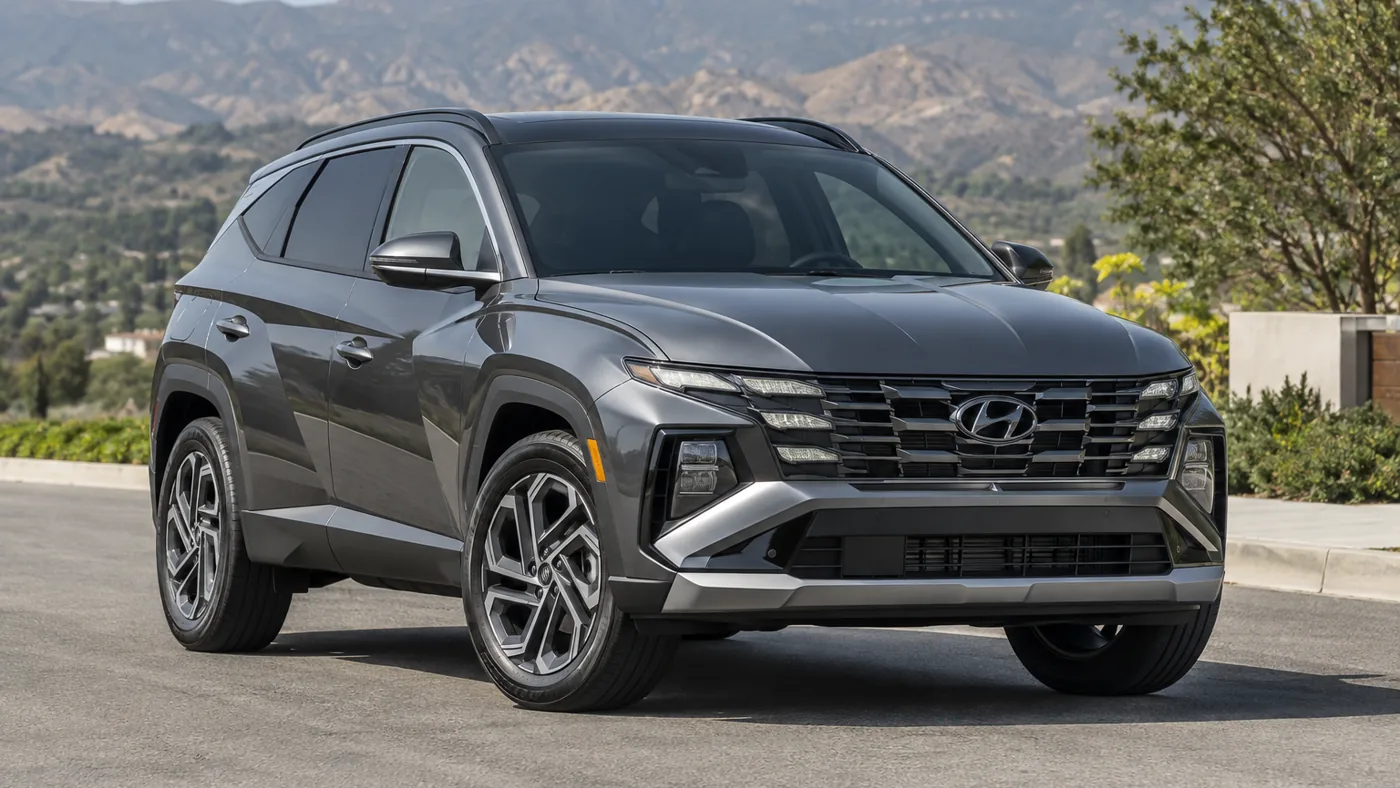 VSSubaru Forester vs Hyundai Tucson2026 · 2026 model years
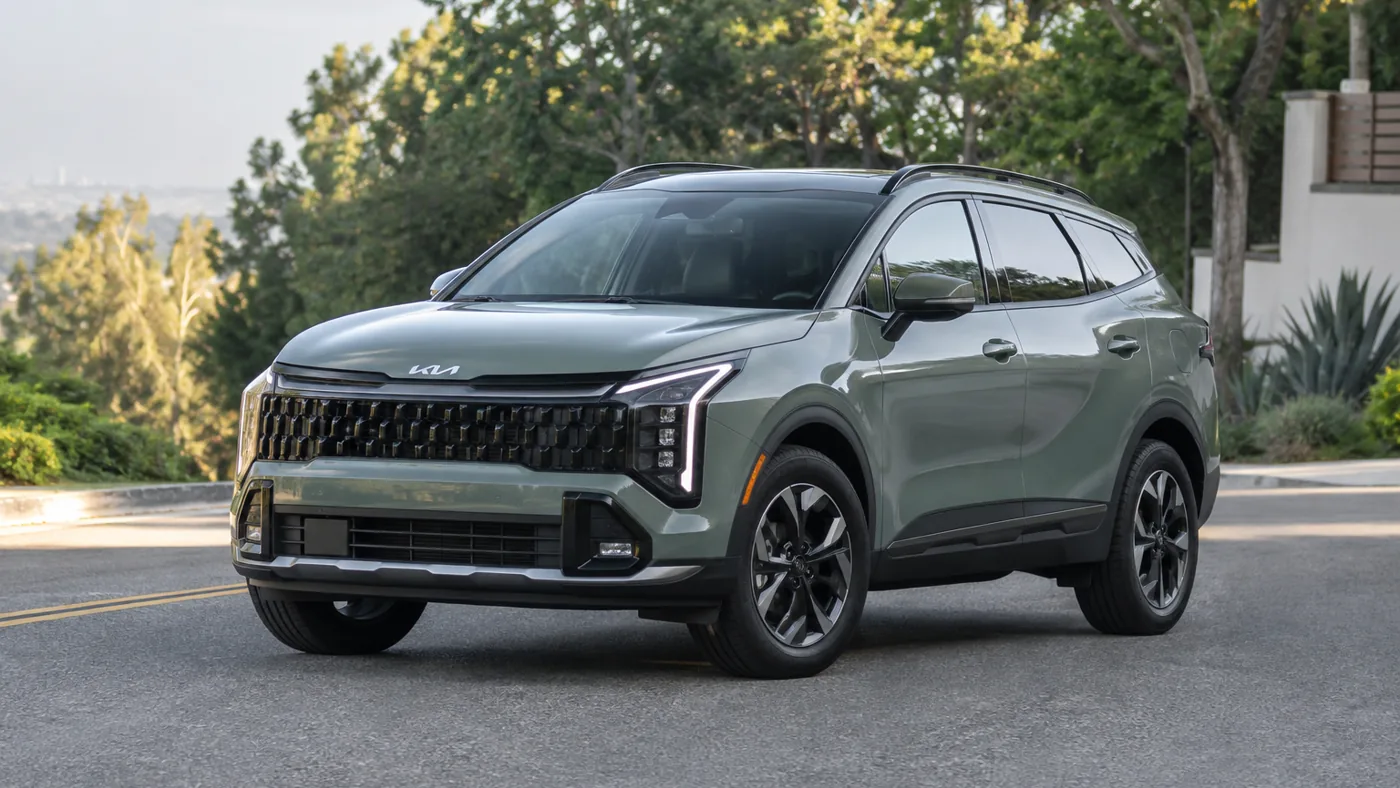 VSSubaru Forester vs Kia Sportage2026 · 2026 model years
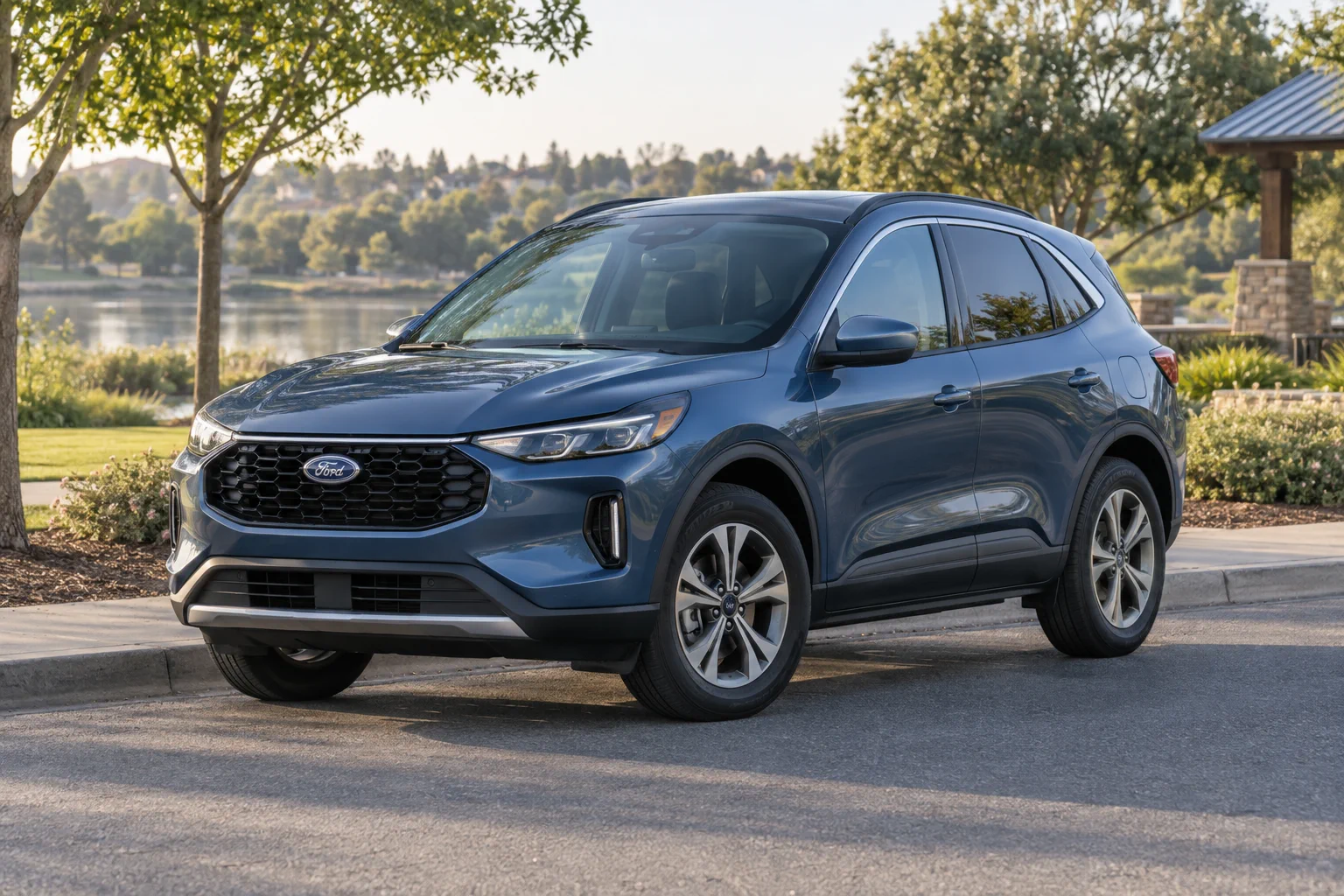 VSToyota RAV4 vs Ford Escape2026 · 2026 model yearsVSToyota RAV4 vs Hyundai Tucson2026 · 2026 model years
Popular comparisons
Well-known rivalries with full side-by-side research, each built from the cited sources in both SUVs' profiles.