 Dimensions · Space · Buying guides
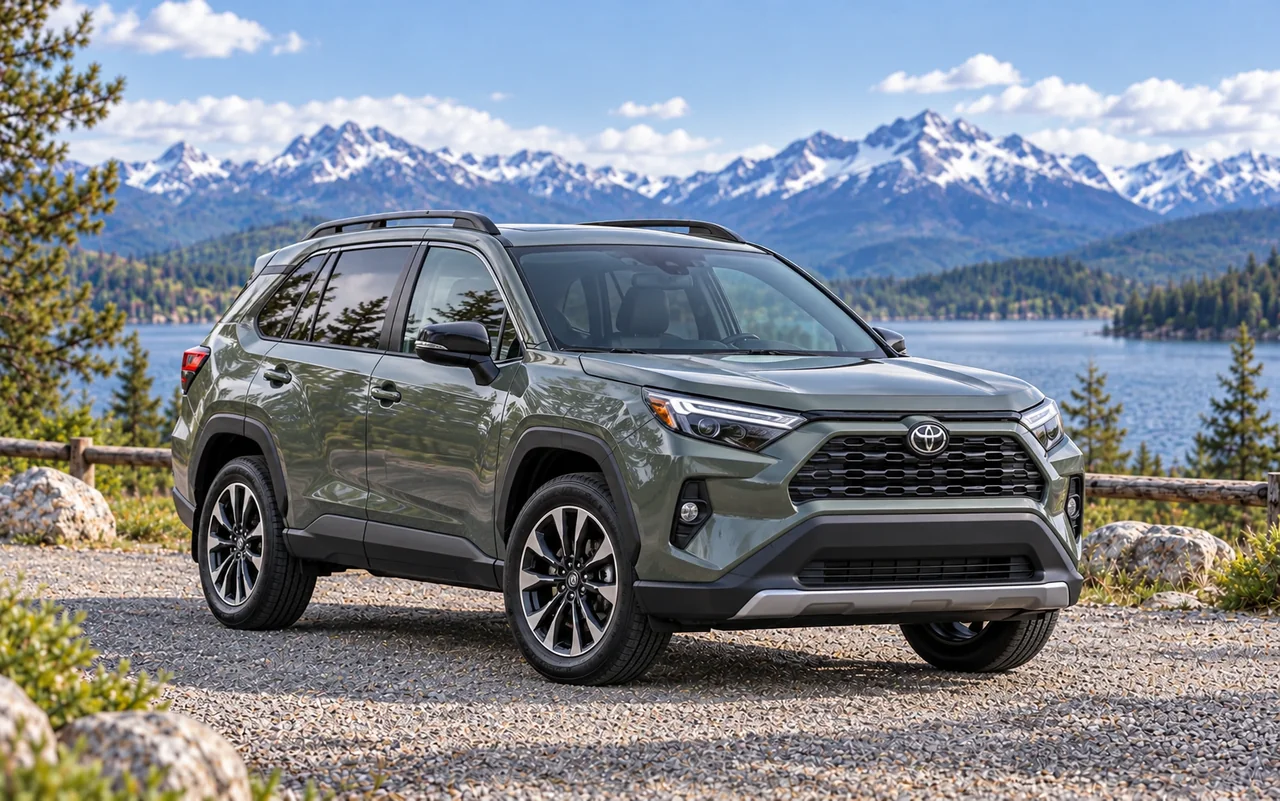 Vehicle A
2026 · Toyota · 2-row · Plug-in hybrid
RAV4
- Starting price
- $31,900
- Length
- 181.0 in
- Seating
- 5
- Max cargo
- 69.8 cu ft
- Max towing
- 3,500 lb
SUVLook comparison lab
Price, size, cabin, cargo, towing, safety and ownership side by side. Every value comes from the cited sources in each model-year profile, and gaps stay labeled instead of guessed.
Vehicle A
2026 · Toyota · 2-row · Plug-in hybrid
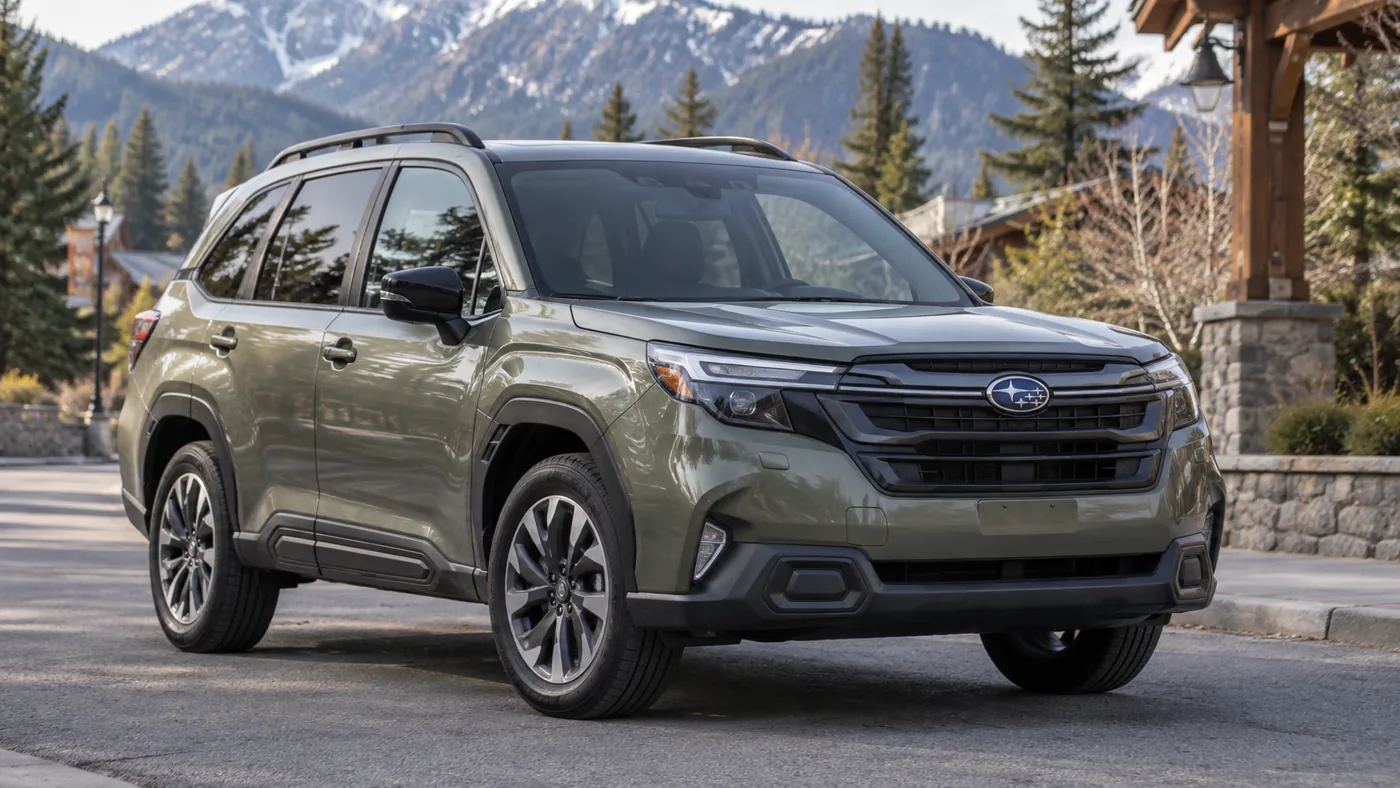 Vehicle B
2026 · Subaru · 2-row · Hybrid
Key differences
No overall winner: each line is one source-backed figure. Decide which ones matter for how you will use the SUV.
Head-to-head
Bars share one scale starting at zero, so small real differences are not exaggerated. Where a profile lists several figures, the highest published one is used.
Decision snapshot
Each card compares one documented criterion. A lead is shown only when both source-backed values use a compatible measurement; otherwise the raw facts stay visible and the criterion stays unresolved.
2026 Subaru Forester has lower published starting MSRP by $1,905.
The current profiles do not provide two normalized values that can be compared safely.
2026 Subaru Forester has more published maximum cargo volume by 4.6 cu ft.
2026 Subaru Forester has more published rear/second-row legroom by 1.6 in.
The normalized published values are tied for this criterion.
The normalized published values are tied for this criterion.
At a glance
| Research field | A2026 Toyota RAV4 | B2026 Subaru Forester |
|---|---|---|
|
Starting MSRP
Different
|
From $31,900LE FWD | $29,995Base gas Forester |
|
Primary engine / system
Different
|
2.5L four-cylinder hybridFifth-generation Toyota hybrid system | 2.5L SUBARU BOXER four-cylinderSubaru U.S. specification |
|
Primary output
Different
|
226–236 hpFWD / AWD | 180 hp2.5L BOXER |
|
Drivetrain
Different
|
FWD or electronic AWDGrade dependent | Symmetrical AWDStandard across the lineup |
|
Seating
|
5Toyota U.S. specification | 5Subaru U.S. specification |
|
Cargo behind rear seat
Different
|
37.8 cu ftCargo behind rear seat with seats in place | 29.6 cu ftCargo behind rear seat with seats in place |
|
Maximum cargo
Different
|
69.8 cu ftToyota current comparison figure | 74.4 cu ftBase / roomiest published configuration |
|
Maximum towing
|
3,500 lbSpecified AWD hybrid/PHEV grades | 3,500 lbProperly equipped |
Price & trims
| Research field | A2026 Toyota RAV4 | B2026 Subaru Forester |
|---|---|---|
|
Starting MSRP
Different
|
From $31,900LE FWD | $29,995Base gas Forester |
|
Entry trim
Different
|
Hybrid LE · $31,900FWD available | Base · $29,995Gas |
|
Highest listed trim
Different
|
PHEV GR SPORT · $48,500AWD; performance-focused chassis tuning | Touring Hybrid · $41,545Hybrid |
|
Trim lineup
Different
|
Hybrid LE · Hybrid SE · Hybrid XLE Premium · Hybrid Woodland · Hybrid XSE · Hybrid Limited · PHEV SE · PHEV Woodland · PHEV XSE · PHEV GR SPORT10 researched trims | Base · Premium · Premium Hybrid · Sport · Wilderness · Sport Hybrid · Limited · Limited Hybrid · Touring · Touring Hybrid10 researched trims |
Performance
| Research field | A2026 Toyota RAV4 | B2026 Subaru Forester |
|---|---|---|
|
Engine / primary system
Different
|
2.5L four-cylinder hybridFifth-generation Toyota hybrid system | 2.5L SUBARU BOXER four-cylinderSubaru U.S. specification |
|
Primary output
Different
|
226 hp net combinedToyota U.S. specification | 180 hp / 178 lb-ftSubaru U.S. specification |
|
Hybrid output
Different
|
236 hp net combinedToyota U.S. specification | 194 hpSubaru Hybrid System |
|
Drivetrain
Different
|
FWD or electronic AWDGrade dependent | Symmetrical AWDStandard across the lineup |
|
All-wheel drive
Different
|
FWD or electronic AWDGrade dependent | Symmetrical AWDStandard across the lineup |
|
Transmission
Data gap
|
UnverifiedNo source-backed value verified yet | Lineartronic CVTSubaru U.S. specification |
Fuel & efficiency
| Research field | A2026 Toyota RAV4 | B2026 Subaru Forester |
|---|---|---|
|
Fuel type
|
Regular GasolineFuel types in the EPA certification records · Source | Regular GasolineFuel types in the EPA certification records · Source |
|
Gas / base fuel economy
|
No gas-only versionModel-year powertrain lineup · Source | 26–29 mpg combinedEPA combined; gasoline models · Source |
|
Hybrid fuel economy
Different
|
38–43 mpg combinedEPA estimates vary by trim and drivetrain · Source | 35 mpg combinedEPA estimates vary by trim and drivetrain · Source |
|
Plug-in hybrid fuel economy
|
36–40 mpg combined on gasolineToyota U.S. trim ratings · Source | No plug-in hybridModel-year powertrain lineup · Source |
|
Off-road trim fuel economy
Different
|
38 mpg combinedEPA estimates vary by trim and drivetrain · Source | 26 mpg combinedEPA estimates vary by trim and drivetrain · Source |
|
Fuel tank
Different
|
14.5 US gal (hybrid)Toyota U.S. 2026 hybrid specifications · Source | 16.6 US gal (gas)Subaru U.S. 2026 gas model specifications · Source |
|
Electric range
|
Up to 54 miEPA estimate for SE, published by Toyota · Source | No plug-in powertrainThis row applies to plug-in hybrids and battery-electric vehicles · Source |
|
Driving range
|
About 550–620 miReference only · 14.5 US gal (hybrid) × 38–43 mpg combined. Full nominal tank; EPA estimates vary by trim and drivetrain. Actual range varies. · Source | Up to 581 milesSubaru published estimate |
Size & footprint
| Research field | A2026 Toyota RAV4 | B2026 Subaru Forester |
|---|---|---|
|
Wheelbase
Different
|
105.9 inToyota current comparison configuration | 105.1 inSubaru U.S. specification |
|
Overall length
Different
|
181.0 inToyota current comparison configuration | 183.3 inMost trims |
|
Overall width
Different
|
73.0 inToyota current comparison configuration | 72.0 inMost trims |
|
Overall height
Data gap
|
66.5 inToyota current comparison configuration | UnverifiedNo source-backed value verified yet |
|
Ground clearance
Different
|
8.1–8.5 inToyota dealer’s 2026 U.S. hybrid trim specifications · Source | 8.7 inMost trims |
|
Off-road ground clearance
Different
|
8.5 in (Woodland)Toyota dealer’s 2026 U.S. hybrid trim specifications · Source | 9.3 inSubaru Wilderness specification |
Cabin
| Research field | A2026 Toyota RAV4 | B2026 Subaru Forester |
|---|---|---|
|
Seating
|
5Toyota U.S. specification | 5Subaru U.S. specification |
|
Front legroom
Different
|
41.0 inToyota current comparison configuration | 43.3 inSubaru U.S. specification |
|
Rear legroom
Different
|
37.8 inToyota current comparison configuration | 39.4 inSubaru U.S. specification |
|
Front headroom
Different
|
37.7 inToyota current comparison configuration | Up to 41.2 inEquipment dependent |
|
Rear headroom
Different
|
39.5 inToyota current comparison configuration | 37.7–39.6 inSubaru 2026 U.S. gas-model specification sheet; hybrid may differ · Source |
|
Front shoulder room
Different
|
57.0 inToyota dealer’s 2026 U.S. hybrid trim specifications · Source | 57.7 inSubaru U.S. 2026 trim comparison · Source |
|
Rear shoulder room
Different
|
56.4 inToyota dealer’s 2026 U.S. hybrid trim specifications · Source | 56.7 inSubaru U.S. 2026 trim comparison · Source |
|
Front hip room
Data gap
|
55.3 inToyota dealer’s 2026 U.S. hybrid trim specifications · Source | UnverifiedNo source-backed value verified yet |
|
Rear hip room
Data gap
|
49.6 inToyota dealer’s 2026 U.S. hybrid trim specifications · Source | UnverifiedNo source-backed value verified yet |
|
Passenger volume
Data gap
|
UnverifiedNo source-backed value verified yet | 106.6–110.8 cu ftSubaru U.S. 2026 trim comparison · Source |
Cargo
| Research field | A2026 Toyota RAV4 | B2026 Subaru Forester |
|---|---|---|
|
Cargo behind rear seat
Different
|
37.8 cu ftCargo behind rear seat with seats in place | 29.6 cu ftCargo behind rear seat with seats in place |
|
Maximum cargo volume
Different
|
69.8 cu ftToyota current comparison figure | 74.4 cu ftBase / roomiest published configuration |
|
Cargo length, seats up
Different
|
37.8 inToyota current comparison figure | 36.5 inSubaru 2026 U.S. gas-model specification sheet; hybrid may differ · Source |
|
Width between wheel housings
Different
|
Not establishedDo not substitute maximum cargo width | 43.3 inSubaru 2026 U.S. gas-model specification sheet; hybrid may differ · Source |
|
Cargo-area width
Data gap
|
60.5 inToyota current comparison figure | UnverifiedNo source-backed value verified yet |
|
Cargo length, seats folded
Data gap
|
UnverifiedNo source-backed value verified yet | 70.7 inSubaru 2026 U.S. gas-model specification sheet; hybrid may differ · Source |
|
Hatch-opening width
Data gap
|
UnverifiedNo source-backed value verified yet | 47.5 in lower / 49.2 in maximumSubaru 2026 U.S. gas-model specification sheet; hybrid may differ · Source |
|
Hatch-opening height
Data gap
|
UnverifiedNo source-backed value verified yet | 32.2 inSubaru 2026 U.S. gas-model specification sheet; hybrid may differ · Source |
Utility
| Research field | A2026 Toyota RAV4 | B2026 Subaru Forester |
|---|---|---|
|
Maximum towing
|
3,500 lbSpecified AWD hybrid/PHEV grades | 3,500 lbProperly equipped |
|
Lower / standard towing rating
Data gap
|
1,750 lbFWD models and LE AWD | UnverifiedNo source-backed value verified yet |
|
All-wheel drive
Different
|
FWD or electronic AWDGrade dependent | Symmetrical AWDStandard across the lineup |
|
Cargo behind rear seat
Different
|
37.8 cu ftCargo behind rear seat with seats in place | 29.6 cu ftCargo behind rear seat with seats in place |
|
Maximum cargo
Different
|
69.8 cu ftToyota current comparison figure | Up to 74.4 cu ftRoomiest published configuration |
|
Cargo width
Data gap
|
UnverifiedNo source-backed value verified yet | 43.3 inSubaru 2026 U.S. gas-model specification sheet; hybrid may differ · Source |
Safety
| Research field | A2026 Toyota RAV4 | B2026 Subaru Forester |
|---|---|---|
|
IIHS small overlap front
|
GoodSee IIHS model-year results for tested configuration and applicability · Source | GoodSee IIHS model-year results for tested configuration and applicability · Source |
|
IIHS updated moderate overlap front
Different
|
AcceptableSee IIHS model-year results for tested configuration and applicability · Source | GoodSee IIHS model-year results for tested configuration and applicability · Source |
|
IIHS updated side
|
GoodSee IIHS model-year results for tested configuration and applicability · Source | GoodSee IIHS model-year results for tested configuration and applicability · Source |
|
IIHS headlights
|
GoodSee IIHS model-year results for tested configuration and applicability · Source | GoodSee IIHS model-year results for tested configuration and applicability · Source |
|
IIHS pedestrian front crash prevention
|
GoodFor the evaluated system; see IIHS model-year results · Source | GoodFor the evaluated system; see IIHS model-year results · Source |
|
IIHS whiplash prevention
Unpublished
|
No rating listedThe IIHS model-year overview does not list this test · Source | GoodSee IIHS model-year results for tested configuration and applicability · Source |
|
IIHS vehicle-to-vehicle front crash prevention 2.0
|
GoodFor the evaluated system; see IIHS model-year results · Source | GoodFor the evaluated system; see IIHS model-year results · Source |
|
Safety-system context
|
4.0 standard2026 Toyota specification | The 2026 Forester earned an IIHS Top Safety Pick+ award and includes EyeSight driver-assistance technology. The hybrid also carries a published NHTSA 5-Star Overall Vehicle Score from Subaru’s U.S. materials.Model-year safety overview |
Ownership
| Research field | A2026 Toyota RAV4 | B2026 Subaru Forester |
|---|---|---|
|
New-vehicle / basic warranty
|
3 years / 36,000 milesU.S. basic warranty; time or mileage, whichever comes first · Source | 3 years / 36,000 milesU.S. basic warranty; time or mileage, whichever comes first · Source |
|
Powertrain warranty
|
5 years / 60,000 milesU.S. powertrain warranty; time or mileage, whichever comes first · Source | 5 years / 60,000 milesU.S. powertrain warranty; time or mileage, whichever comes first · Source |
|
Hybrid coverage
|
8 years / 100,000 milesCovered hybrid components; hybrid models only · Source | 8 years / 100,000 milesMajor hybrid components on HEV trims · Source |
|
Hybrid battery
Data gap
|
10 years / 150,000 milesHigh-voltage hybrid battery; hybrid models only · Source | UnverifiedNo source-backed value verified yet |
|
Roadside assistance
Different
|
2–3 years / unlimited milesTwo years for hybrid; three years for plug-in hybrid under ToyotaCare · Source | 3 years / 36,000 milesU.S. roadside assistance; see terms and eligibility · Source |
|
Service planning
Data gap
|
2 years / 25,000 miles of scheduled maintenanceToyotaCare for 2026 models · Source | UnverifiedNo source-backed value verified yet |
Safety systems
Toyota Safety Sense 4.0 is standard on the all-new 2026 RAV4. Because 2026 is a new generation, SUVLook does not attach prior-generation IIHS crash ratings to this body while waiting for model-specific current-generation results.
The 2026 Forester earned an IIHS Top Safety Pick+ award and includes EyeSight driver-assistance technology. The hybrid also carries a published NHTSA 5-Star Overall Vehicle Score from Subaru’s U.S. materials.
Cabin technology
Evidence ledger
11 research sources attached to this model-year profile. Row notes in the tables above keep the evidence context for each value.
8 research sources attached to this model-year profile. Row notes in the tables above keep the evidence context for each value.
Buying context
Older 2024–2025 RAV4 cargo dimensions belong to the prior body generation. SUVLook does not automatically apply them to 2026.
SUVLook does not carry the separate 2025 third-party linear cargo measurements forward as guaranteed 2026 dimensions. This profile uses 2026 data only where the existing research supports it.
Keep comparing
The closest researched rivals to each SUV by size and price.
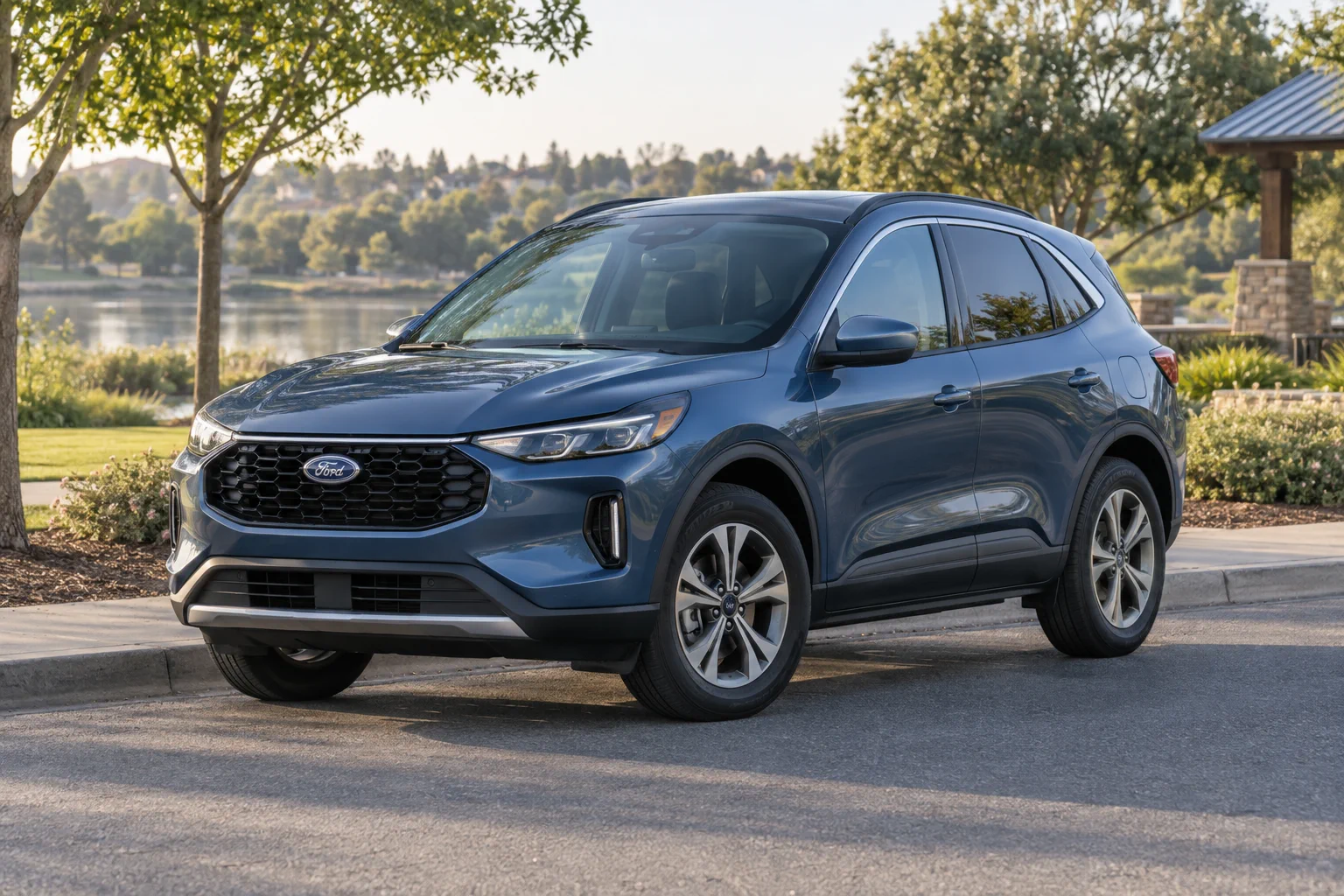 VSToyota RAV4 vs Ford Escape2026 · 2026 model years
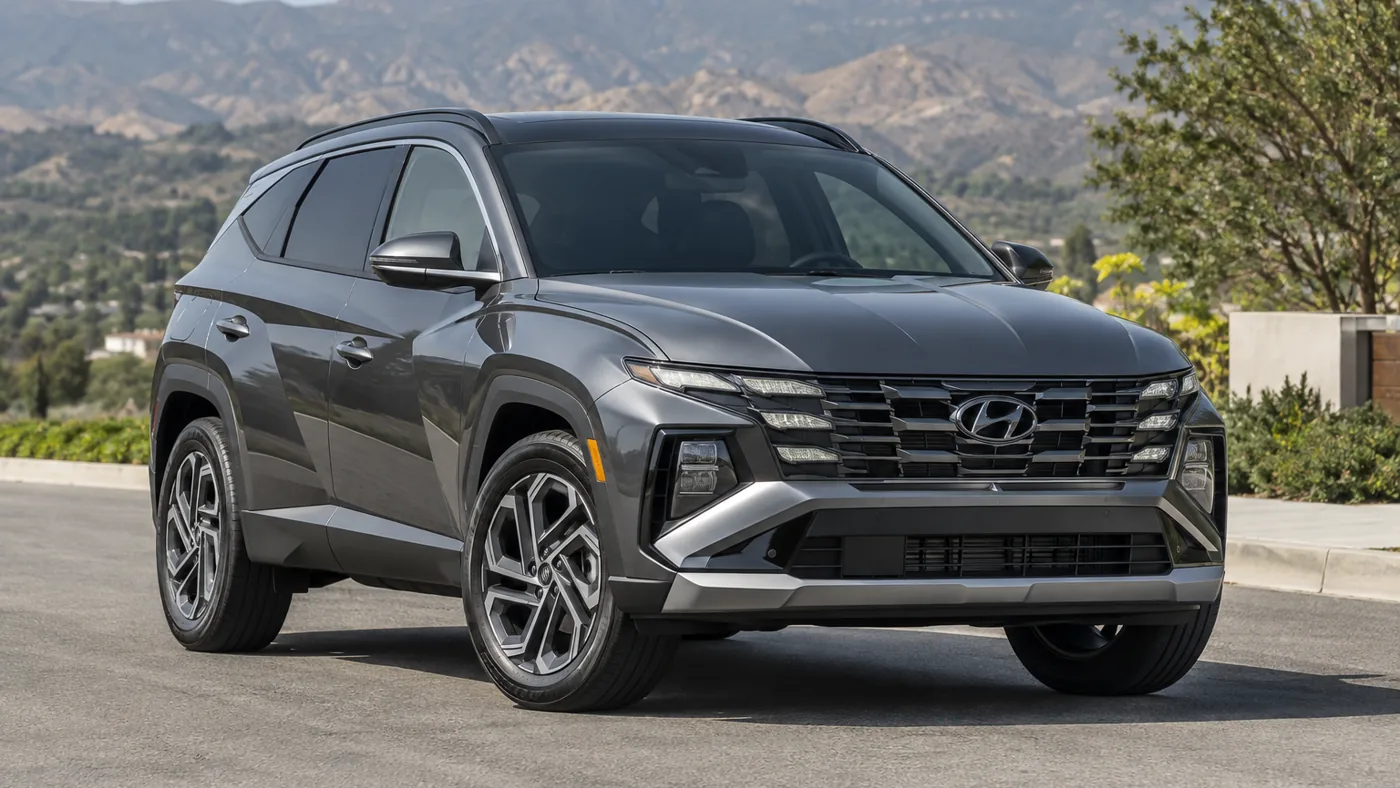 VSToyota RAV4 vs Hyundai Tucson2026 · 2026 model years
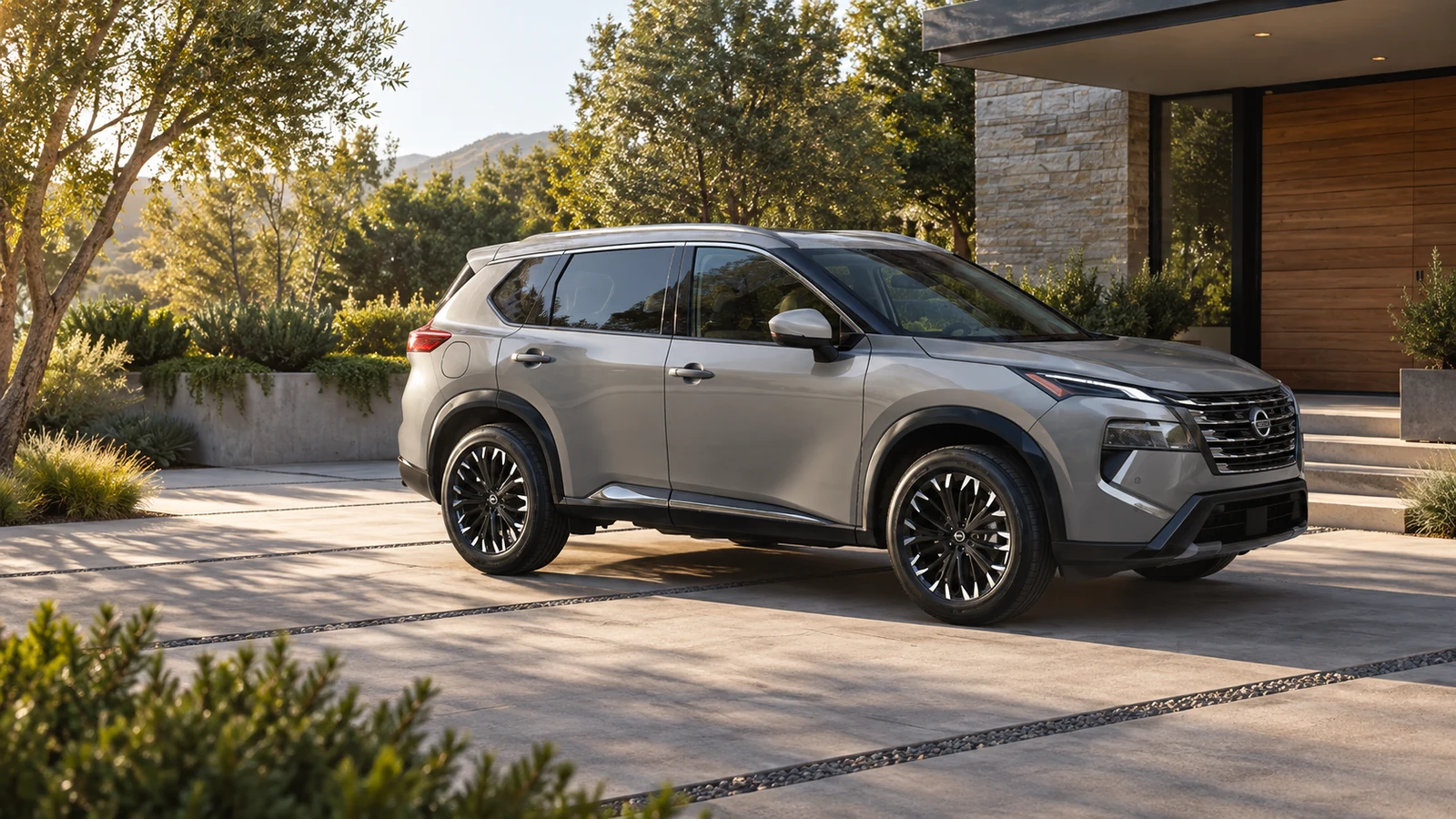 VSToyota RAV4 vs Nissan Rogue2026 · 2026 model years
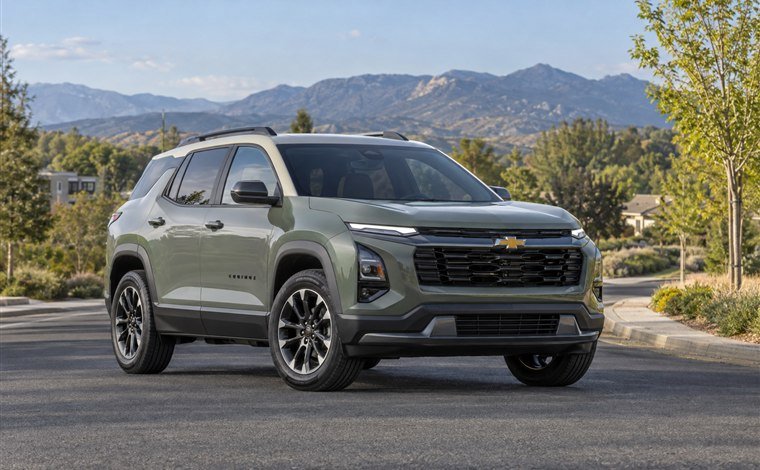 VSToyota RAV4 vs Chevrolet Equinox2026 · 2026 model yearsVSSubaru Forester vs Chevrolet Equinox2026 · 2026 model yearsVSSubaru Forester vs Nissan Rogue2026 · 2026 model years
Popular comparisons
Well-known rivalries with full side-by-side research, each built from the cited sources in both SUVs' profiles.